Clothes Shopping Near Me: A Smarter Local Guide
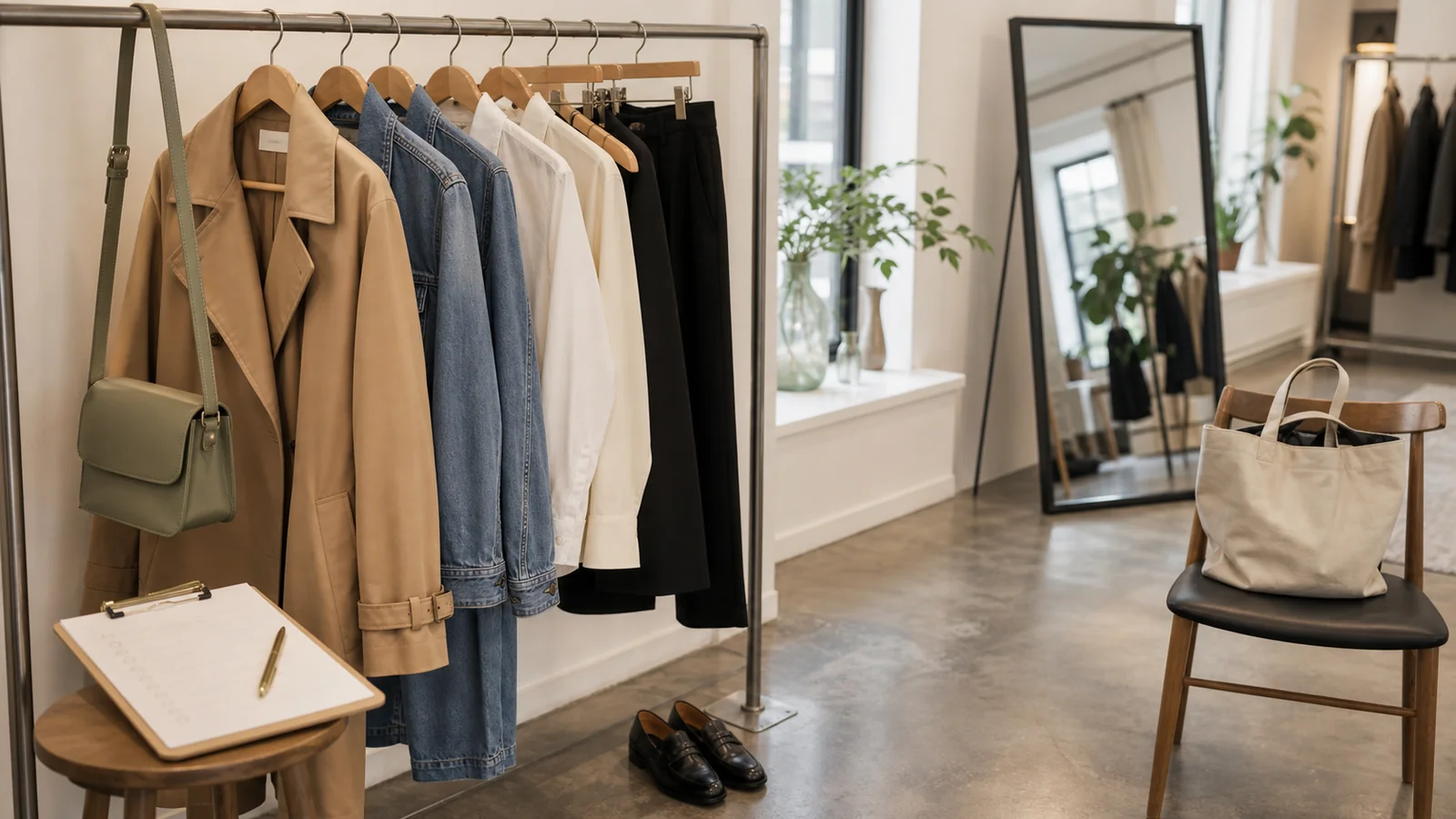
Turn a Nearby Search Into a Better Shopping Trip
Searching for clothes shopping near me can lead you to boutiques, malls, department stores, thrift shops, vintage stores, outlet centers, and big-box retailers. That range is useful, but it can also turn one simple errand into a pile of random try-ons.
The smarter move is to decide what your closet actually needs before you leave. Nearby shopping works best when you use the store as a fitting room, fabric check, and styling test, not as a place to be talked into a different life.
This guide helps you plan a local clothing trip around your real outfits: the shoes you wear, the weather you dress for, the gaps in your wardrobe, and the return rules you need to understand before buying.
Start With the Closet Gap, Not the Store
Before opening maps or typing clothes shopping near me, name the gap. “I need clothes” is too broad. “I need a washable black blouse for work trousers and loafers” is useful. “I need a warm layer that fits under my wool coat” is useful. “I need weekend jeans that work with low sneakers” is useful.
Look at what you already reach for. If you wear straight jeans, loafers, trench coats, and fine knits most days, a dramatic party top may sit unworn. If your weekends are casual and walk-heavy, delicate shoes or fussy fabrics may not solve your real problem.
Write a short list with three columns:
| Need | Must work with | Avoid |
|---|---|---|
| Work blouse | Black trousers, loafers, blazer | Sheer fabric, dry-clean-only care |
| Casual jeans | Sneakers, flat boots, cropped jacket | Dragging hem, stiff waistband |
| Dinner layer | Slip dress, ankle boots, long coat | Bulky sleeves, scratchy fabric |
This keeps the trip focused. You can still browse, but the list gives you a way to say no.
Choose the Right Type of Nearby Store
Different stores solve different wardrobe problems. A mall or department store gives you size range and easy comparisons. A boutique may offer more edited pieces and styling help. A thrift or vintage shop can be great for jackets, denim, leather belts, and unique accessories, but sizing and return rules may be less flexible.
If you need basics, start where you can compare fit quickly. T-shirts, trousers, bras, jeans, coats, and work shoes often require trying multiple sizes or cuts. A store with more stock may save time.
If you need something with personality, a boutique or vintage shop may be better. Look for color, texture, buttons, belts, scarves, and outerwear that can refresh clothes you already own.
If you need occasion clothing, check return windows before you buy. Special-event pieces are easy to overbuy when the date feels urgent. You want enough time to try the item at home with shoes, undergarments, outerwear, and lighting that matches the event.
Dress for Fast and Honest Try-Ons
Wear simple clothes when you shop. A fitted tank or tee, easy trousers or jeans, and slip-on shoes make changing rooms less annoying. Avoid complicated buttons, heavy layers, and shoes that take effort to remove.
Bring or wear the kind of shoes that matter to the purchase. Hem length changes when you switch from sneakers to loafers or heels. A dress that looks right with bare feet may feel wrong with ankle boots. Trousers that skim perfectly with flats may be too short with heeled boots.
Use your phone camera carefully. A quick photo from the front, side, and back can show fit issues you miss in a mirror. Look for pulling, twisting, pocket flare, clinging, gaping armholes, and hems that break awkwardly.
Do not judge only by size. Try two sizes when a garment is close. Different brands and cuts vary, and a better size may instantly fix the shoulder, hip, or sleeve problem.
Check Fabric, Care, and Construction in the Store
Local clothes shopping gives you one advantage online shopping cannot: you can touch the garment. Use that advantage.
Check whether the fabric feels comfortable against your neck, waist, and underarms. Hold lighter colors up to strong light to see whether they are sheer. Rub the fabric lightly between your fingers to see if it pills, snags, or feels rough.
Look at seams and hems. Wavy hems, puckered seams, loose buttons, messy lining, and twisted side seams are warning signs. A garment does not need to be expensive to be neat, but it should look intentionally made.
Read the care label before buying. If you avoid dry cleaning, do not ignore that label in the store and hope your future self becomes more patient. If the fabric is polyester, viscose, linen, cotton, wool, or a blend, think about how it behaves in your routine. Our polyester clothing guide explains how to judge synthetic fabric by feel, drape, shine, and care instead of the fiber name alone.
Use the Three-Outfit Rule
Before buying, build at least three outfits in your head. They do not need to be complicated. The point is to prove that the piece belongs to your actual closet.
For a blouse, ask:
- Can I wear it with jeans and loafers?
- Can I wear it with trousers and a blazer?
- Can I wear it tucked, untucked, or under a sweater?
For jeans, ask:
- Do they work with sneakers?
- Do they work with loafers or flats?
- Do they work with a jacket I already own?
For a dress, ask:
- Can I wear it with flat shoes?
- Can I layer it with a coat or jacket?
- Can I change the mood with jewelry, tights, or boots?
If you cannot make three believable outfits, pause. The item may still be beautiful, but it may not be useful.
Ask About Returns Before You Pay
Return policies vary by store, sale type, location, and item condition. Ask before you buy, especially for final sale, special occasion pieces, undergarments, altered clothing, vintage items, and discounted merchandise.
Useful questions include:
- How many days do I have to return or exchange?
- Is the refund original payment, store credit, or exchange only?
- Are sale items final sale?
- Do tags need to stay attached?
- Can I return to any location or only this store?
- Do I need the paper receipt?
This is not pessimistic. It is practical. Clothes can look different at home with your own shoes, mirror, lighting, and existing layers. A clear return window lets you make a better decision.
Try Everything at Home the Same Day
When you get home, try the new piece with the items it is supposed to support. Do this before removing tags. Stand, sit, walk, bend, and check the back view. Try the shoes, coat, bag, and undergarments you plan to wear.
If something only works in one exact outfit, decide whether that is enough. A special piece can be worth it, but an everyday piece should usually do more.
Notice your body language. If you keep adjusting the neckline, pulling at the hem, or trying to convince yourself the color is fine, the piece may not be right. A good purchase should feel easier after the at-home try-on, not more complicated.
Return mistakes quickly. Waiting makes it harder to remember the policy, find the receipt, and keep the item in perfect condition.
How to Shop Local Without Overbuying
Nearby stores can make impulse buying feel harmless because you can take the item home immediately. That is exactly why you need a pause.
Set a budget or item limit before you go. If you only need one blouse, do not come home with three “almost right” tops. If you are browsing for inspiration, take photos or notes instead of buying immediately.
Be careful with sale racks. A lower price does not fix a poor fit, difficult color, wrong fabric, or life you do not live. If you would not consider it at full price, the discount may be doing too much of the work.
Use a wish list for maybes. If you keep thinking about the item after a day or two, and it still works with your closet, you can go back. If it disappears from your mind, you saved yourself clutter.
FAQ
What should I bring when clothes shopping near me?
Bring your shopping list, any important measurements, a small bag, and the shoes or undergarments that affect fit. If you are shopping for trousers or dresses, shoes matter more than you think.
Is it better to shop at boutiques or larger stores?
It depends on the goal. Larger stores are useful for size comparison and basics. Boutiques are useful for edited pieces, styling help, and more distinctive finds.
How do I avoid impulse buying clothes locally?
Shop from a list, use the three-outfit rule, check the return policy, and wait on maybes. A good piece should support your real wardrobe, not just the mood of the store.
Should I buy clothes if I need alterations?
Only if the alteration is simple, affordable, and realistic for you. Hemming trousers is often manageable. Rebuilding shoulders, changing a complicated waist, or fixing poor fabric usually is not worth it.
The Bottom Line
Clothes shopping near me works best when you treat nearby stores as tools, not temptations. Start with a real closet gap, choose the store type that fits the need, dress for honest try-ons, check fabric and return rules, and test the piece at home with your own shoes and layers. The best local find is not the one that looked exciting on the rack. It is the one that makes your real outfits easier.
You might also like
Polyester Clothing Guide: Wear, Style, and Care
Learn when polyester clothing works well, when it feels less comfortable, and how to style and care for it wisely.
Clothing Cashmere Sweater Guide
Choose a cashmere sweater by fiber label, knit feel, fit, and styling range so it earns its place in your closet.
Plaid Shirt Clothing Outfit Guide
Style plaid shirts with the right scale, layers, jeans, trousers, shoes, and seasonal pieces so they look intentional.