Polyester Clothing Guide: Wear, Style, and Care
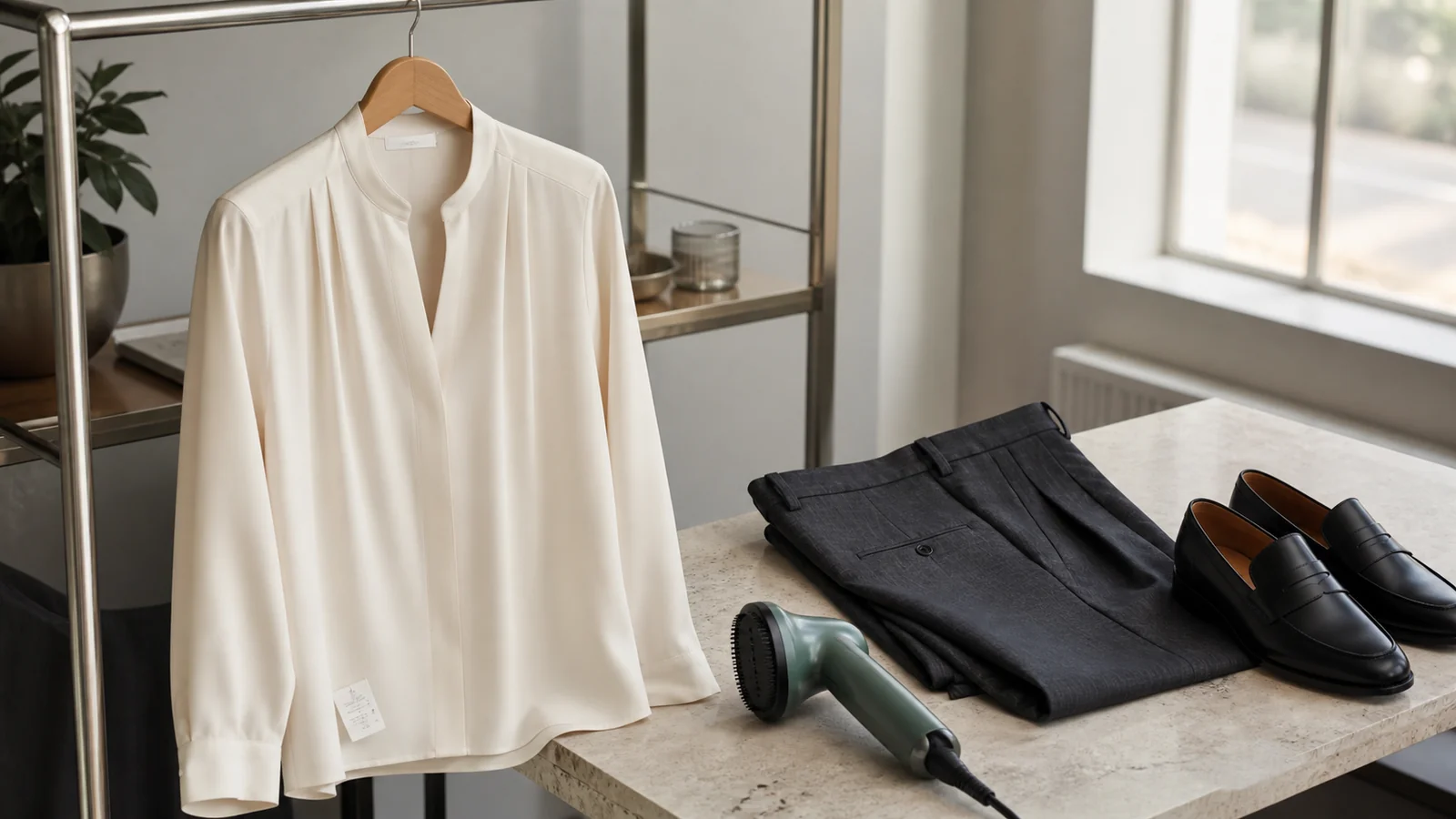
Why Polyester Clothing Is Worth Judging Carefully
Polyester clothing is everywhere: blouses, trousers, dresses, linings, activewear, occasion pieces, pleated skirts, coats, and blended knits. That does not make it automatically good or bad. It means you need a sharper way to judge it before it earns space in your closet.
The useful question is not whether polyester cloth is fashionable. The useful question is whether a specific garment feels good on your body, hangs well, works with your shoes and layers, and survives your real routine. A polyester blouse for travel may be brilliant. A heavy polyester dress for humid summer errands may feel sticky by lunchtime.
We look at polyester as a wardrobe decision: how it feels, where it performs well, where it disappoints, and how to style it so the fabric looks intentional instead of cheap.
What Polyester Does Well
Polyester is a synthetic fiber known for durability, wrinkle resistance, shape retention, and fast drying. Those qualities explain why it appears in so many everyday clothes. It can help a garment keep pleats, resist creasing in a suitcase, hold color, and bounce back after washing.
For a working closet, that can be useful. A polyester-blend trouser may look smoother after a commute than linen. A pleated polyester skirt can keep its lines better than many soft natural fabrics. A polyester shell can pack neatly for travel and dry quickly after a careful wash.
The strongest use cases are:
| Garment type | Why polyester can help | What to check |
|---|---|---|
| Pleated skirts | Holds sharp folds well | Lining, waistband, and static |
| Travel blouses | Resists wrinkles in a bag | Breathability and neckline comfort |
| Occasion dresses | Keeps structure and color | Drape, seams, and shine level |
| Activewear | Dries quickly and moves moisture | Odor control and stretch recovery |
| Blended trousers | Adds shape and durability | Fabric weight and surface finish |
Polyester also works well as a blend. A small amount of polyester can make cotton, viscose, wool, or knitwear easier to care for. The blend still needs to feel good, but it can be more practical than a delicate fabric that only looks good for the first hour.
Where Polyester Can Fall Short
The main problem with polyester clothing is comfort. Some polyester fabric traps heat, holds odor, creates static, or feels slick against the skin. This is especially noticeable in tight blouses, unlined dresses, heavy trousers, and warm-weather pieces.
Not all polyester feels the same. A fine crepe, matte woven fabric, airy mesh, brushed knit, satin, fleece, and technical activewear fabric can all be polyester, but they behave differently. The weave, weight, finish, lining, and garment cut matter as much as the fiber name.
Shine is another issue. Some polyester satin looks elegant. Some looks harsh under daylight. If the fabric has a brittle shine, puckered seams, or a plastic rustle, the garment may read less polished even if the color is pretty.
Static can also change the way an outfit looks. A skirt that clings to tights or a blouse that sticks to a camisole can make the whole outfit feel fussy. Test the garment with the layers you actually plan to wear.
How to Tell Better Polyester From Worse Polyester
Start with your hands and eyes. Better polyester clothing usually has a smoother surface, cleaner seams, and a fabric weight that matches the garment. It should not feel crunchy, overly thin, or strangely rubbery unless it is a performance piece designed that way.
Check the drape. A blouse should fall instead of ballooning. Trousers should skim without clinging at the thigh. A dress should hang from the shoulder or waist without twisting. If the fabric fights the cut, styling will not fix it.
Look closely at seams. Polyester can expose weak construction because the fabric may not soften imperfections the way some natural fibers do. Puckered side seams, wavy hems, uneven pleats, and pulled button plackets are signs to be cautious.
Then check the label. One hundred percent polyester is not always worse than a blend, but the label tells you what kind of performance to expect. Polyester with elastane may stretch. Polyester with viscose may drape more softly. Polyester with cotton may feel more familiar but may wrinkle differently.
How to Style Polyester So It Looks Polished
Polyester often looks best when you give it texture contrast. If the fabric is smooth, pair it with something matte or structured: denim, wool, leather, suede, cotton poplin, ribbed knitwear, or a crisp trench.
For a polyester blouse, try straight jeans, loafers, and a belt. The denim and leather make the smooth top feel grounded. If the blouse is shiny, keep jewelry simple and choose a bag with a softer finish.
For a polyester skirt, use a knit top or cotton shirt to break up the surface. Pleated skirts look especially good with loafers, ballet flats, slim sneakers, or ankle boots, depending on the season. If you like dress styling with clean shoe choices, our shift dress styling guide uses the same idea: simple fabric needs deliberate shoes and layers.
For polyester trousers, watch the shoe. Sleek loafers, pointed flats, low sneakers, or ankle boots can all work. Very shiny trousers usually need calmer shoes and a structured top. Matte trousers are easier to wear in everyday outfits.
For a polyester dress, add one natural or substantial texture: a wool coat, leather belt, suede boot, denim jacket, or cotton cardigan. This keeps the outfit from looking like one flat surface.
When Polyester Makes Sense in a Capsule Closet
Polyester clothing deserves a place in a capsule closet when it solves a real problem. It may be the blouse that does not wrinkle during travel, the skirt that keeps pleats, the dress that handles occasional dinners, or the athletic layer that dries fast after a commute.
It is less useful when it fills a fantasy gap. A polyester blouse you only tolerate because it was inexpensive is not a capsule piece. A dress that looks good standing still but feels hot, clingy, or loud when you move will not become more useful just because it is practical on paper.
Ask these questions before keeping or buying:
- Can I wear this for at least three real situations?
- Does it feel comfortable for the season I want it for?
- Does it work with shoes I already own?
- Does the fabric look good in daylight?
- Can I care for it without special effort?
If the answer is mostly yes, polyester can be smart. If the answer is mostly no, the low-maintenance label does not matter.
Care Rules That Protect Polyester Clothing
Always start with the care label because construction, blends, trims, and linings change the rules. In general, polyester handles regular washing better than many delicate fabrics, but high heat is the enemy. Heat can set stains, damage finishes, affect shape, and make some garments look tired.
Wash polyester clothing with similar colors and similar fabric weights. Turn dark or printed pieces inside out. Use cool or warm water unless the label says otherwise. Pretreat oily marks, makeup, and underarm areas before washing because synthetic fibers can hold onto body oils.
Dry on low heat or air-dry when you can. Polyester dries quickly, so it rarely needs aggressive dryer heat. Remove pieces promptly to reduce creasing. If wrinkles appear, steam carefully or use a low iron with a pressing cloth when the label allows it.
Avoid letting stains sit. For washable stain basics, our guide to removing red wine from clothes explains why blotting, cool water, and patience matter before heat enters the process.
Common Polyester Clothing Mistakes
The first mistake is judging only by fiber content. A well-cut polyester crepe dress may be more useful than a poorly made cotton dress. A scratchy polyester blouse may be worse than almost anything else in your closet. The garment matters.
The second mistake is ignoring the season. Polyester can be excellent for travel and transitional dressing, but some versions feel uncomfortable in humid heat. If you run warm, test it before committing to a full day.
The third mistake is wearing too many slick fabrics together. Polyester blouse, shiny skirt, synthetic lining, patent shoes, and glossy bag can look flat. Add matte texture to make the outfit feel richer.
The fourth mistake is using high heat to force easy care. Polyester may resist wrinkles, but it still needs gentle drying and careful pressing. Low-maintenance does not mean indestructible.
FAQ
Is polyester clothing good quality?
It can be. Quality depends on the fabric weight, weave, finish, construction, fit, and comfort. Polyester itself is not a guarantee of either quality or poor quality.
Is polyester comfortable in hot weather?
Sometimes, but not always. Lightweight or technical polyester can dry quickly, while dense woven polyester may feel warm or clingy. Humidity, lining, fit, and airflow make a big difference.
Does polyester clothing wrinkle?
Polyester usually wrinkles less than cotton or linen, but it can still crease. Use low heat, steam, or a pressing cloth if the care label allows ironing.
Is polyester better as a blend?
Often, yes. Blends can add softness, stretch, structure, or durability. Judge the finished garment instead of assuming every blend is better.
The Bottom Line
Polyester clothing is best treated as practical, not automatically premium or automatically poor. It works well when you need wrinkle resistance, shape, quick drying, or easy care. It falls short when the fabric feels hot, shiny, clingy, or badly cut. Choose the pieces that feel good on your body, style them with texture, and keep heat low when you care for them.
You might also like

Clothes Shopping Near Me: A Smarter Local Guide
Use nearby clothing stores better with a clear shopping list, fit checks, return-policy questions, and outfit planning.
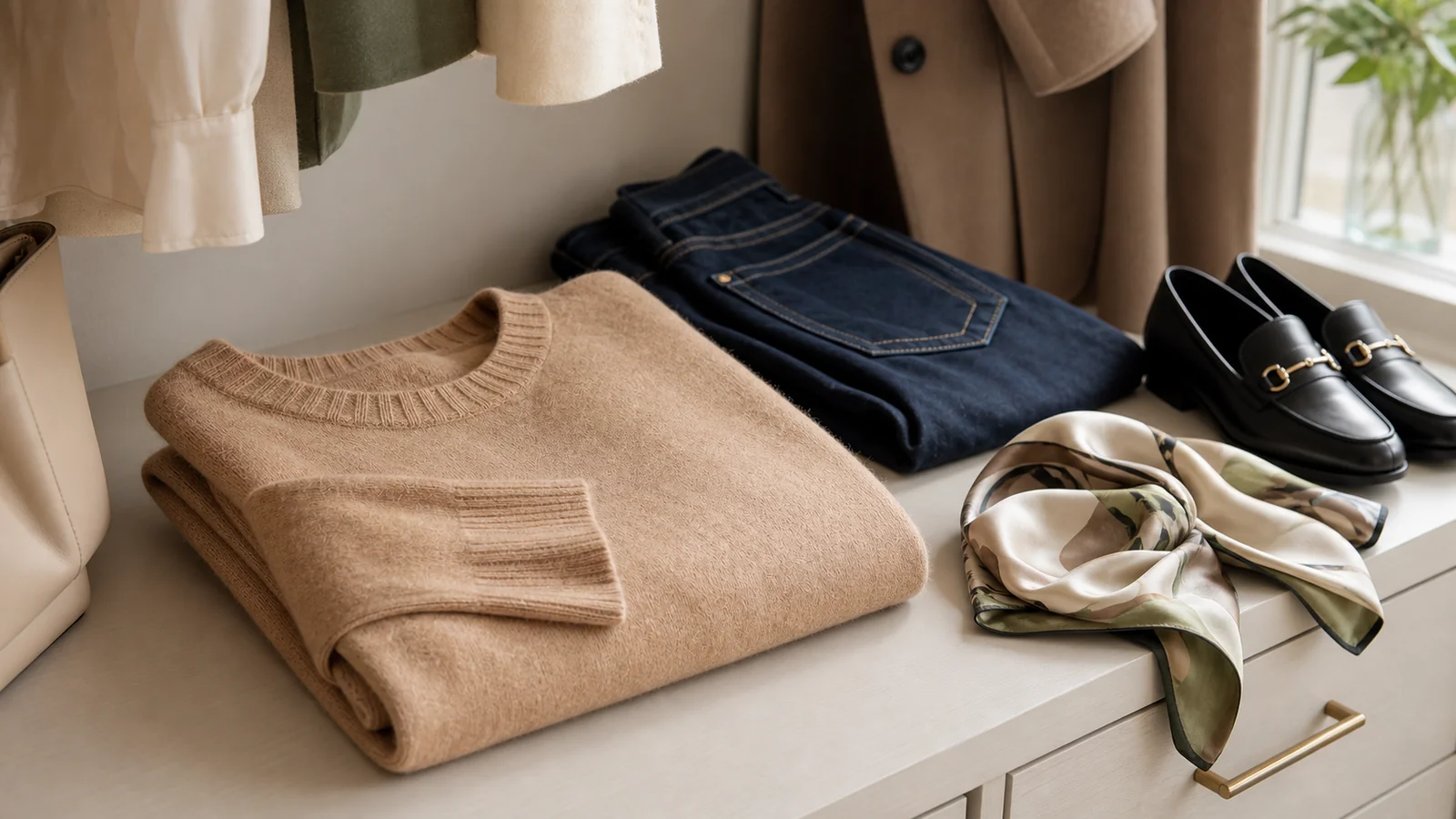
Clothing Cashmere Sweater Guide
Choose a cashmere sweater by fiber label, knit feel, fit, and styling range so it earns its place in your closet.
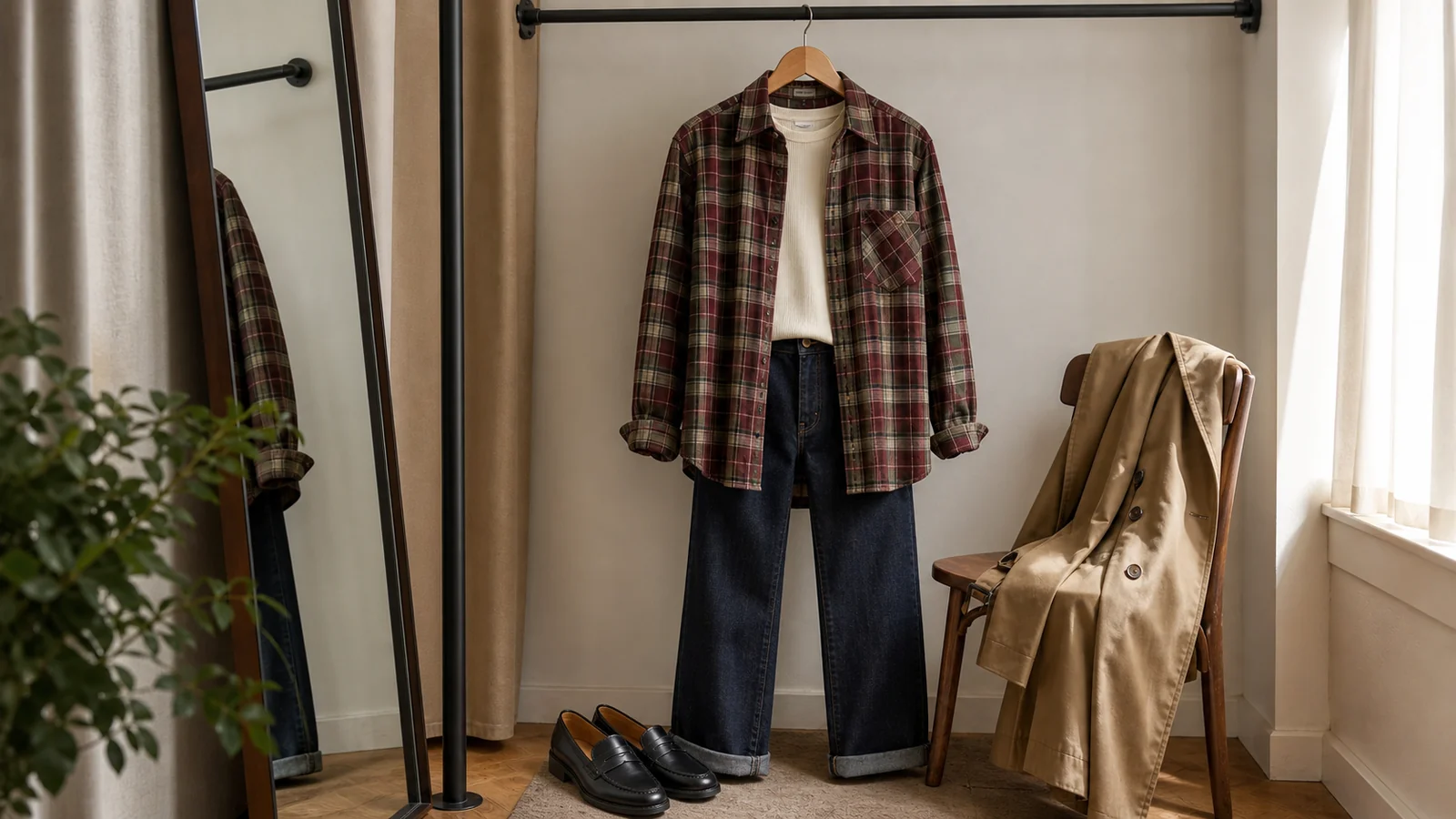
Plaid Shirt Clothing Outfit Guide
Style plaid shirts with the right scale, layers, jeans, trousers, shoes, and seasonal pieces so they look intentional.