Basketball Shoes for Me: Fit and Style Guide
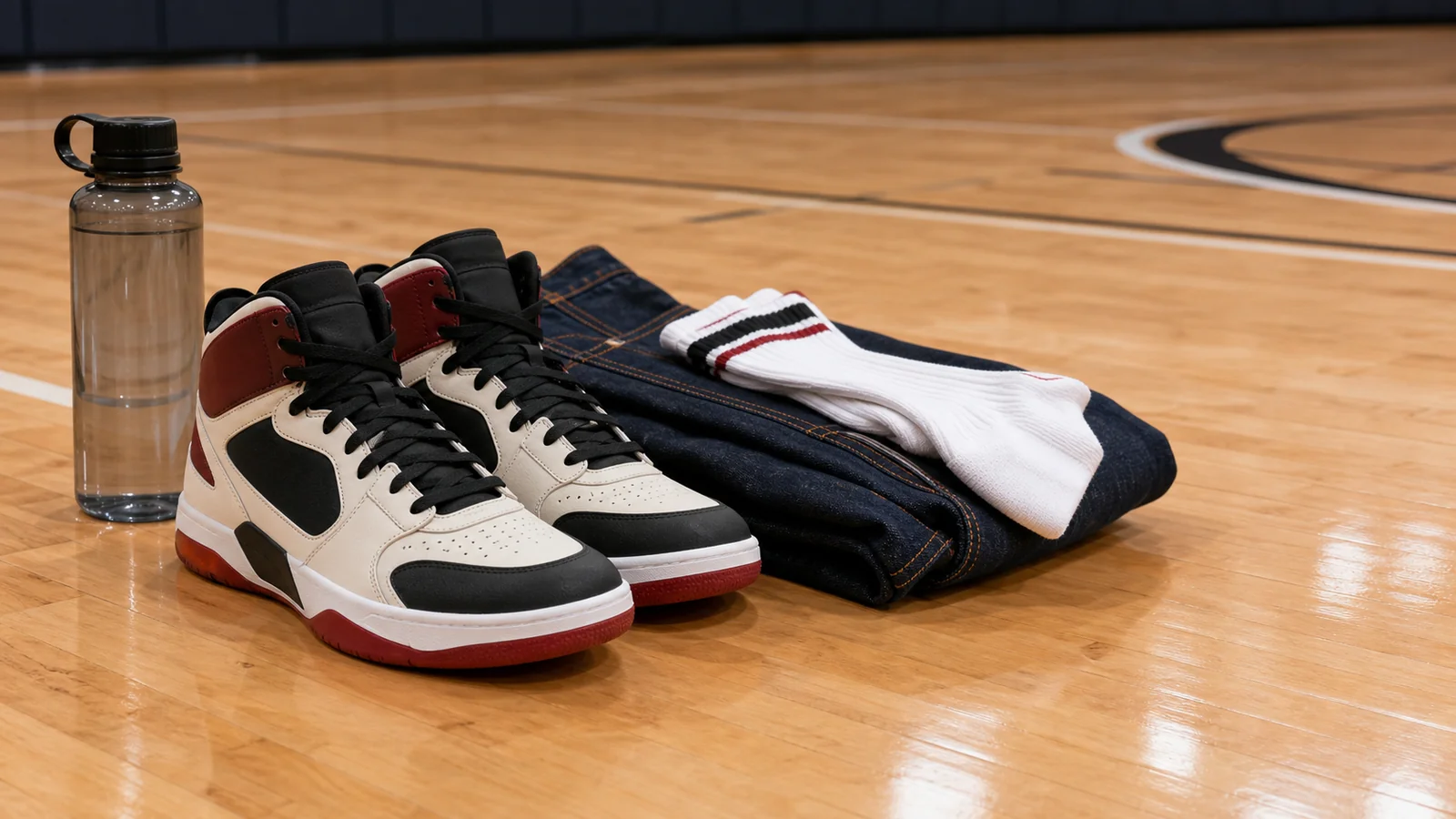
Start With How You Actually Play
“Basketball shoes for me” is the right question because the best pair is not the same for everyone. A shoe that feels quick for a guard may feel too light for a stronger player. A plush pair that feels soft in the store may feel unstable when you cut sideways. A bold colorway may look great online and still sit unworn if it fights every outfit you own.
The useful choice starts with your real use: indoor games, outdoor courts, school practice, pickup runs, gym-to-street outfits, or mostly casual wear with a basketball shape.
This guide helps you choose basketball shoes by fit, traction, cushioning, stability, ankle feel, and styling. It does not claim hands-on testing of one exact pair. Product names, colorways, and fit notes change often, so check current product details and try shoes on when you can.
Quick Match: Which Basketball Shoes Fit Your Situation?
Use this as a first filter before you get lost in colorways.
| Your main need | Look for | Be careful with |
|---|---|---|
| Indoor basketball | Grippy rubber outsole, secure fit, stable base | Dirty outsoles, fashion-only sneakers |
| Outdoor basketball | Durable rubber, tougher upper, cushioning | Soft outsoles that wear down fast |
| Quick guards | Low or mid cut, responsive cushioning, court feel | Too much weight or mushy foam |
| Strong forwards or centers | Stable platform, impact protection, containment | Narrow bases or loose uppers |
| Ankle confidence | Secure heel, lateral support, optional brace fit | Assuming high tops solve everything |
| Casual outfits | Wearable color, clean shape, comfortable fit | Buying a court shoe that is too bulky for your clothes |
If one pair has to do several jobs, choose the most demanding job first. A shoe that is safe enough for real play can still be styled casually. A fashion sneaker that only looks like a basketball shoe may not support actual court movement.
Step 1: Decide Court Use Before Style
Basketball asks for different movement than walking, running, or lifting. You stop, start, jump, land, pivot, backpedal, and cut sideways. That is why court traction and lateral support matter so much.
If you play indoors, prioritize grip on hardwood or sport flooring. A good indoor basketball shoe should help you change direction without sliding unpredictably. Keep the outsole clean because dust can make even a strong traction pattern feel slippery.
If you play outdoors, durability moves higher on the list. Outdoor courts can grind down soft rubber quickly. You may want a tougher outsole, stronger toe area, and enough cushioning for hard landings on pavement or concrete.
If you mostly shoot around, walk to class, or wear the shoes for outfits, you can put more weight on color, shape, and everyday comfort. Still, do not call a shoe “for basketball” unless it can handle basketball movement.
Step 2: Get the Fit Right
Basketball shoes should feel secure, not painfully tight. Your heel should stay down. Your foot should not slide over the edge of the sole when you move side to side. Your toes need enough room to spread slightly, but extra length should not make the shoe sloppy.
Try basketball shoes with the socks you will wear for play. Basketball socks are often thicker than everyday socks, and that can change the fit.
Check these points before keeping a pair:
- Your heel stays locked when you walk and jog.
- Your toes are not jammed into the front.
- The midfoot feels held without numbness.
- The upper does not pinch your pinky toe.
- The tongue and laces sit evenly.
- Your foot does not spill over the platform.
- The collar does not rub your ankle bone.
- You can stop and turn without sliding inside the shoe.
If you need more width, do not solve it by buying a shoe that is too long. A longer shoe can cause heel slip, toe pressure, and blisters. Try another model, a wider size, or a different upper shape.
For rubbing that appears after a short try-on, our how to stop shoes from blistering guide explains socks, lacing, padding, and hot-spot checks.
Step 3: Check Traction and Stability
Traction is not only about squeaking on the court. It is about controlled movement. You want the outsole to grip when you stop, pivot, and cut, then release naturally when your foot moves.
Look at the sole pattern and rubber. Indoor shoes often use rubber designed for clean courts. Outdoor-friendly shoes usually need thicker, more durable rubber. If the shoe already feels slick on a store floor, it may not inspire confidence during play.
Stability comes from the whole platform, not only the ankle collar. A wide, flat base can feel steadier than a narrow, tall one. Sidewalls, outriggers, heel counters, and strong lacing can help keep your foot centered over the sole.
Do a simple movement check indoors if returns allow:
- Walk forward and backward.
- Shuffle side to side.
- Plant one foot and turn gently.
- Rise onto the balls of your feet.
- Land softly from a small hop.
Stop if anything feels sharp, unstable, or unsafe. A basketball shoe should make movement feel controlled before it looks exciting.
Step 4: Pick Cushioning That Matches Your Body
Cushioning is personal. Some players like a lower, firmer shoe that feels close to the court. Others need more impact protection for jumping, landing, or outdoor play.
Too little cushioning can feel harsh on hard courts. Too much soft cushioning can feel wobbly if the shoe does not hold your foot well. The goal is controlled comfort: enough padding to protect your feet and joints, but enough structure that your foot does not sink or roll.
Choose more impact protection if:
- You jump and land often.
- You play on outdoor courts.
- Your knees, heels, or feet feel beat up after games.
- You are a stronger player who puts more force into the shoe.
Choose more court feel if:
- You value quick changes of direction.
- You dislike tall, soft shoes.
- You play mostly indoors on clean courts.
- You want the shoe to feel light underfoot.
If you have recurring pain, instability, or a recent injury, get personal guidance from a clinician or qualified fitter. Shoes can support movement, but they are not a medical plan.
Low, Mid, or High Tops?
Low, mid, and high tops change feel, but collar height alone does not decide support. A low-top shoe can feel stable if the base, heel, laces, and side support are strong. A high-top can still feel loose if the fit is wrong.
Low tops usually feel lighter and freer around the ankle. They can suit quick players and people who dislike collar bulk.
Mid tops sit near the ankle and often feel like a balanced choice. They can work well if you play multiple positions or want some collar presence without a heavy feel.
High tops wrap higher up the ankle. Some players like the contained feel, especially for stronger play or personal confidence. The trade-off can be weight, warmth, or less ankle freedom.
If you wear ankle braces, test the shoes with the braces. The best basketball shoes for you are the ones that fit your actual setup, not the pair that looks most supportive on a product photo.
Match the Shoe to Your Playing Style
Your position does not have to lock you into one shoe type, but it can guide priorities.
Quick guards often care about grip, court feel, heel lock, and lighter weight. If that sounds like you, avoid shoes that feel slow or overly soft.
Wings and all-around players may want balance: enough cushioning for impact, enough stability for cuts, and enough flexibility for mixed movement.
Forwards and centers often need stronger containment, stable landings, and cushioning that can handle repeated jumps. A slightly heavier shoe may be worth it if it feels safer and more planted.
Beginners should not overthink signature hype. Choose a reliable basketball shoe that fits, grips, and feels stable. Once you know what you like, you can get more specific about cushion, height, and style.
Indoor vs Outdoor Basketball Shoes
Indoor and outdoor basketball punish shoes differently.
For indoor play, keep one clean pair if you can. Wearing the same shoes through rain, dirt, and sidewalks can reduce grip on indoor courts. Wipe the outsole when it gets dusty.
For outdoor play, accept that shoes wear faster. Look for durable rubber, good toe protection, a stable platform, and cushioning that does not feel dead after a few runs. Pale uppers may show dirt quickly, so darker colors can be more practical.
If you play both indoors and outdoors often, a two-pair rotation is ideal. Keep the cleaner, grippier pair for indoor games and use the tougher pair outside. If you can only buy one pair, choose based on the surface you play most.
Styling Basketball Shoes Off Court
Basketball shoes have volume. That is why they can look powerful, but it is also why they need outfit balance.
For everyday outfits, start with the shoe’s color and shape. A neutral pair in white, black, gray, navy, cream, or burgundy is easier to repeat. A bright pair can look great, but the rest of the outfit should give it space.
Good off-court formulas include:
- Basketball shoes with baggy jeans, a fitted tee, and a cropped jacket.
- Neutral high tops with straight jeans, a ribbed tank, and a denim jacket.
- Bright basketball shoes with black cargos, a white tee, and a zip hoodie.
- Clean court sneakers with shorts, crew socks, and an oversized button-down.
- Sleek mid tops with a knit dress and bomber jacket.
With wide or baggy denim, let the shoe show. If the hem covers the whole sneaker, the outfit can look heavy. Our baggy jeans outfit guide has more proportion ideas for bigger shoes and loose hems.
If you like signature basketball sneakers with stronger personality, our Angel Reese shoes guide covers how bold court shoes can work with denim, shorts, skirts, and sporty layers.
Buying Checklist
Before you buy basketball shoes, slow down and answer these questions:
- Where will I play most: indoor, outdoor, or both?
- Do I need a shoe for real games, casual shooting, or outfits?
- Does the heel stay secure?
- Is the forefoot wide enough without extra length?
- Does the outsole match my court surface?
- Does the cushioning feel protective but controlled?
- Can I move side to side without sliding inside the shoe?
- Does the collar work with my ankle shape or brace?
- Is the color easy to wear with my real clothes?
- Can I return or exchange the shoes after an indoor try-on?
The best pair should pass both tests: it supports the way you move and it fits the way you dress.
Common Mistakes
The first mistake is buying by signature name only. A famous player’s shoe still has to fit your foot and your court.
The second mistake is using running shoes for regular basketball. Running shoes are built mainly for forward motion, while basketball needs side-to-side control and court traction.
The third mistake is assuming high tops automatically prevent ankle problems. Secure fit, stable platform, heel hold, and your own injury history matter too.
The fourth mistake is picking maximum softness without stability. Plush cushioning can feel good while standing and uncertain during cuts.
The fifth mistake is choosing a loud colorway that works with none of your clothes. If you want one pair for play and outfits, repeatable color matters.
FAQ
What basketball shoes are best for me?
The best basketball shoes for you match your court surface, foot shape, movement style, cushioning needs, and wardrobe. Start with fit, traction, and stability before choosing color.
Can I wear basketball shoes casually?
Yes. Basketball shoes can look great with jeans, cargos, shorts, sporty dresses, skirts, sweats, and simple layers. Keep hems intentional because the shoes have more volume than low sneakers.
Should basketball shoes be tight?
They should feel secure, not painfully tight. Your heel should stay down, your midfoot should feel held, and your toes should have enough room without sliding.
Are high-top basketball shoes better for ankles?
High tops can feel more contained, but collar height does not guarantee protection. Fit, heel hold, platform stability, lacing, and any brace or medical advice matter more.
The Bottom Line
The right basketball shoes for you are the pair that fits your foot, grips your court, supports your movement, and still makes sense with your clothes. Start with use and fit. Then compare traction, cushioning, stability, ankle feel, and color. A good pair should make you feel more controlled on court and more intentional off it.
You might also like
Angel Reese Shoes: Style and Fit Guide
Review Angel Reese shoes by basketball use, bold styling, fit checks, outfit formulas, kids sizing, and care.
Ed Hardy Shoes: Y2K Sneaker Style Guide
Style Ed Hardy shoes with denim, cargos, skirts, graphic layers, fit checks, vintage buying caution, and Y2K balance.
Ballet Shoes vs Ballet Flats: Style Guide
Compare ballet shoes and ballet flats by dance use, street wear, fit, soles, materials, outfit styling, and care.