Ballet Shoes vs Ballet Flats: Style Guide
Decide Which “Ballet Shoe” You Mean
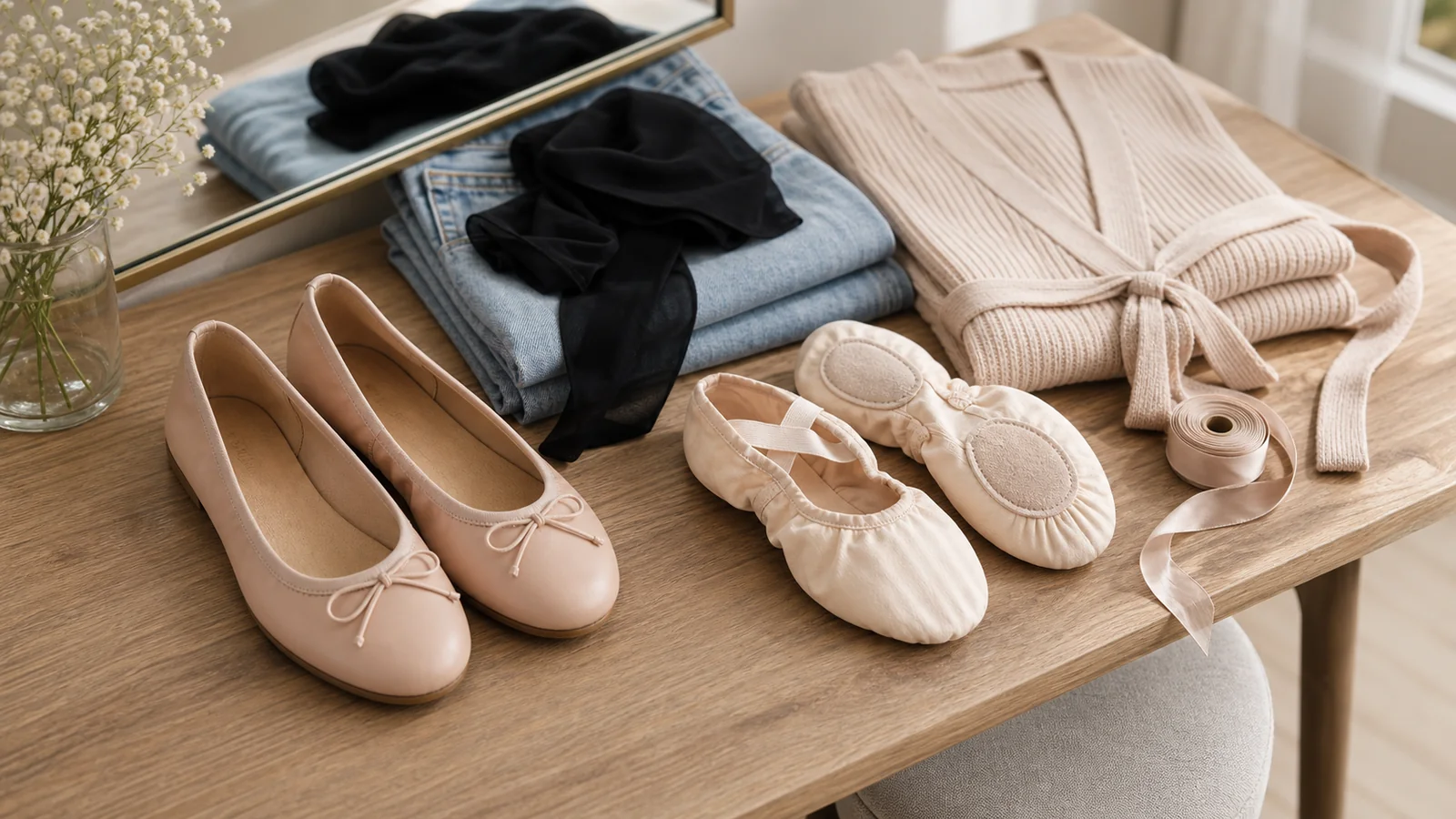
“Ballet shoes shoes” is a clumsy search phrase, but the style question behind it is useful. Some shoppers mean real ballet shoes for dance class. Others mean ballet flats: the everyday shoes inspired by dance slippers.
Those are not the same thing. Real ballet shoes are soft studio footwear made for dance floors. Ballet flats are street shoes made for outfits, walking, commuting, dinners, and casual polish.
This guide compares ballet shoes and ballet flats so you buy the right pair for the right use. It focuses on style and practical fit, not professional dance instruction. If you are buying for a class, follow your teacher or studio dress code first.
Quick Comparison
The easiest way to avoid a bad purchase is to separate dance function from street function.
| Feature | Ballet shoes | Ballet flats |
|---|---|---|
| Main use | Ballet class, studio practice | Everyday outfits |
| Sole | Suede or soft dance sole | Rubber, leather, synthetic, or padded sole |
| Structure | Very soft and flexible | More street-ready structure |
| Outdoor wear | Usually no | Yes |
| Fit | Close and dance-specific | Comfortable walking fit |
| Materials | Canvas, leather, satin, elastic | Leather, suede, mesh, satin, fabric, synthetic |
| Styling role | Dance uniform | Outfit shoe |
If you need shoes for ballet class, buy real ballet shoes. If you want the delicate look with jeans, skirts, trousers, or dresses, buy ballet flats.
What Real Ballet Shoes Are For
Real ballet shoes are made for the studio. They help the dancer feel the floor, point and flex the foot, and move with the technique required in class.
Common ballet shoe choices include canvas or leather uppers, full sole or split sole construction, elastic straps, and soft suede patches on the bottom. A teacher may specify color, material, sole type, and whether elastics should be pre-sewn or sewn to fit.
They are not designed for pavement. Wearing ballet shoes outdoors can wear through the sole quickly, pick up dirt, and make them unsafe or unacceptable for studio floors.
Choose real ballet shoes if:
- You are taking ballet class.
- A studio dress code requires them.
- You need soft dance footwear for rehearsal.
- You are buying for a child’s dance program.
- Your instructor has recommended a specific type.
Do not choose real ballet shoes as everyday flats unless you understand they will offer very little protection, support, or durability outside.
What Ballet Flats Are For
Ballet flats borrow the gentle shape of dance slippers but are made for regular outfits. They may have a round toe, almond toe, square toe, bow detail, elastic edge, Mary Jane strap, slingback, mesh upper, or pointed variation.
The best ballet flats give you the look without making walking painful. They need enough sole protection, a secure fit, and materials that match your wardrobe.
Choose ballet flats if:
- You want a polished alternative to sneakers.
- You need a flat shoe for dresses, jeans, skirts, or trousers.
- You like a feminine but simple shoe shape.
- You want a travel or office shoe with less bulk.
- You are styling casual outfits with a softer finish.
They are still flats, so comfort varies. Thin soles, stiff edges, and narrow toe boxes can rub. Look for padding, flexible materials, and a shape that suits your foot.
Full Sole vs Split Sole Ballet Shoes
If you are buying real ballet shoes, you may see full sole and split sole options. The right choice often depends on level, teacher preference, and foot strength.
Full sole ballet shoes have one continuous suede sole under the foot. They can offer more resistance and are often common for beginners and children because they support foot development and control.
Split sole ballet shoes have separate suede patches under the ball of the foot and heel. They let the arch show more easily and can feel more flexible. Many older or more experienced dancers like the articulation, but a class may still have rules.
For dance class, ask the teacher before choosing. For fashion, this distinction does not matter because ballet flats are the street-wear option.
Canvas, Leather, Satin, and Street Materials
Material changes comfort, care, and outfit mood.
Canvas ballet shoes are common for class because they are light, flexible, and often more washable than leather. Leather ballet shoes may feel durable and supportive, especially for young dancers. Satin ballet shoes are often used for performances or special contexts, not everyday class unless requested.
Ballet flats come in many materials. Leather looks polished and can soften with wear. Suede feels softer but needs more care. Mesh looks modern and delicate. Satin can feel dressy but marks easily. Fabric flats may be breathable but less structured.
For daily wear, choose the material that matches your life. If you commute, walk, or get caught in weather, a delicate satin or mesh pair may not be practical as your main shoe.
Fit: Dance Snug vs Walking Comfortable
Ballet shoes and ballet flats should not fit the same way.
Real ballet shoes should fit close to the foot, with no baggy fabric and no painful curling of the toes. The shoe should move with the foot during pointing and flexing. Children still need careful fitting because growing room should not make the shoe sloppy.
Ballet flats should fit comfortably for walking. Your toes should not be crushed. The heel should not slip. The edge should not cut into the top of your foot. If the shoe has elastic trim, make sure it holds without digging.
For ballet flats, test:
- Walking on hard floor
- Standing for several minutes
- Going up and down stairs if safe
- Checking toe pressure
- Checking heel rub
- Wearing your intended socks, tights, or bare-foot liner
If flats rub at the heel or toe, our how to stop shoes from blistering guide covers padding, socks, and break-in strategies.
Can You Wear Ballet Shoes Outside?
In most cases, no. Real ballet shoes are not street shoes. They have soft soles, little weather protection, and minimal cushioning. Outdoor surfaces can ruin them quickly.
If you love the studio look, choose ballet flats, dance-inspired Mary Janes, or soft leather flats instead. These give the visual mood without sacrificing basic sole protection.
There are also hybrid fashion shoes that look very close to ballet slippers but have street-ready soles. Check the sole before buying. If it looks like suede dance patches rather than an outdoor outsole, it is probably not for pavement.
How to Style Ballet Flats With Jeans
Ballet flats and jeans are one of the easiest formulas. The shoe softens denim without making the outfit dressy.
Straight jeans work best with a slight crop or cuff so the flat is visible. Add a white tee, cardigan, trench, or blazer. This outfit can move from errands to casual office days depending on the top layer.
Wide-leg jeans can work, but the hem must not swallow the shoe. Ballet flats are low and delicate, so they need visibility. If the denim is very long or heavy, choose a more structured flat or a small heel.
Baggy jeans need balance. A fitted tee, slim knit, or cropped jacket keeps the outfit from feeling shapeless. Our baggy jeans outfit guide explains how flat shoes need intentional hem length.
How to Style Ballet Flats With Dresses and Skirts
Ballet flats look natural with dresses and skirts because the shoe repeats the softness of the hem. The trick is keeping the outfit from becoming too sweet.
With mini dresses, ballet flats can make the outfit daytime-friendly. Add a denim jacket, blazer, trench, or socks depending on the season.
With midi skirts, choose flats with enough shape. A square toe, Mary Jane strap, mesh detail, or slight shine can prevent the outfit from looking flat.
With slip skirts, ballet flats can be elegant but relaxed. Add a knit, cropped cardigan, or simple tee. If the skirt is satin, avoid very shiny satin shoes unless you want a dressier look.
With floral dresses, black, cream, red, blush, or metallic flats can work. Pick one color from the print instead of matching every accessory.
Work, Travel, and Occasion Outfits
Ballet flats can be useful for work if they are polished enough and comfortable for your day. Leather, suede, mesh, patent, or Mary Jane styles usually look more intentional than thin slipper-like flats.
For work, pair black ballet flats with cropped trousers, a fine knit, and a blazer. For a softer office look, wear taupe or burgundy flats with a midi skirt and cardigan.
For travel, prioritize cushioning and heel hold. A foldable-looking flat may pack easily but may not support long walking days. Try them before relying on them for a trip.
For occasions, ballet flats can replace heels when the outfit is balanced. Choose satin, metallic, velvet, mesh, or embellished flats for dinners or events. Make sure the sole can handle the venue.
Socks, Tights, and Bare Ankles
Ballet flats change mood quickly depending on what you wear with them.
Bare ankles feel clean and classic. No-show liners can help prevent rubbing while keeping the look minimal. Sheer tights make flats dressier. Opaque tights are useful in cool weather, especially with black or burgundy flats.
Crew socks can look charming with Mary Jane flats, pleated skirts, straight jeans, or casual dresses. Keep the sock intentional: ribbed white, sheer black, soft gray, or a color that repeats in the outfit.
Avoid bulky socks that distort the shape of a delicate flat. If you need warmth, choose a roomier flat or a different shoe.
Common Mistakes
The first mistake is buying real ballet shoes for street wear. They are studio shoes, not pavement shoes.
The second mistake is buying ballet flats that are too thin for your walking routine.
The third mistake is hiding delicate flats under long hems. Let the shoe show.
The fourth mistake is making every piece too sweet. Add denim, tailoring, leather, or clean outerwear for balance.
The fifth mistake is ignoring heel rub. Flats can blister as easily as heels if the edge is stiff.
FAQ
Are ballet shoes and ballet flats the same?
No. Ballet shoes are soft dance shoes for studio use. Ballet flats are everyday street shoes inspired by the ballet slipper shape.
Can you wear ballet shoes outside?
Real ballet shoes should usually stay indoors for dance. Outdoor surfaces can damage the soft sole and make the shoes dirty for studio floors.
Are ballet flats comfortable?
They can be comfortable if the fit, sole, and material suit your foot. Very thin flats may look pretty but feel hard during long walking days.
What do ballet flats look good with?
Ballet flats work with straight jeans, cropped trousers, midi skirts, mini dresses, slip skirts, casual dresses, cardigans, blazers, trenches, and denim jackets.
The Bottom Line
Ballet shoes and ballet flats answer different needs. Buy ballet shoes for dance class and follow your studio’s rules. Buy ballet flats for outfits, walking, work, travel, or soft everyday polish. Once you separate dance function from street style, the right choice becomes much easier.
You might also like
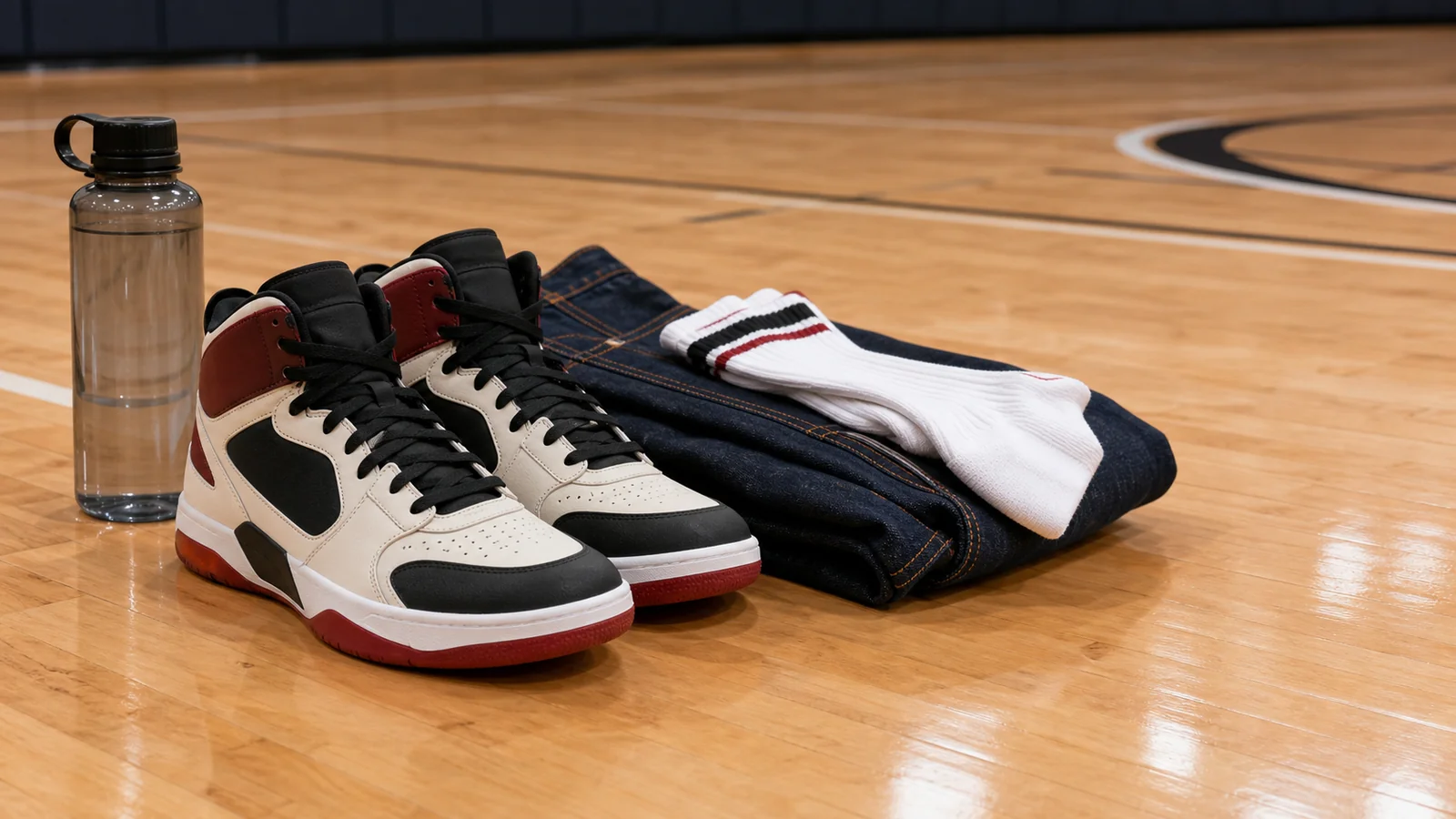
Basketball Shoes for Me: Fit and Style Guide
Choose basketball shoes by court use, fit, traction, cushioning, ankle feel, and outfits that handle the sneaker shape.
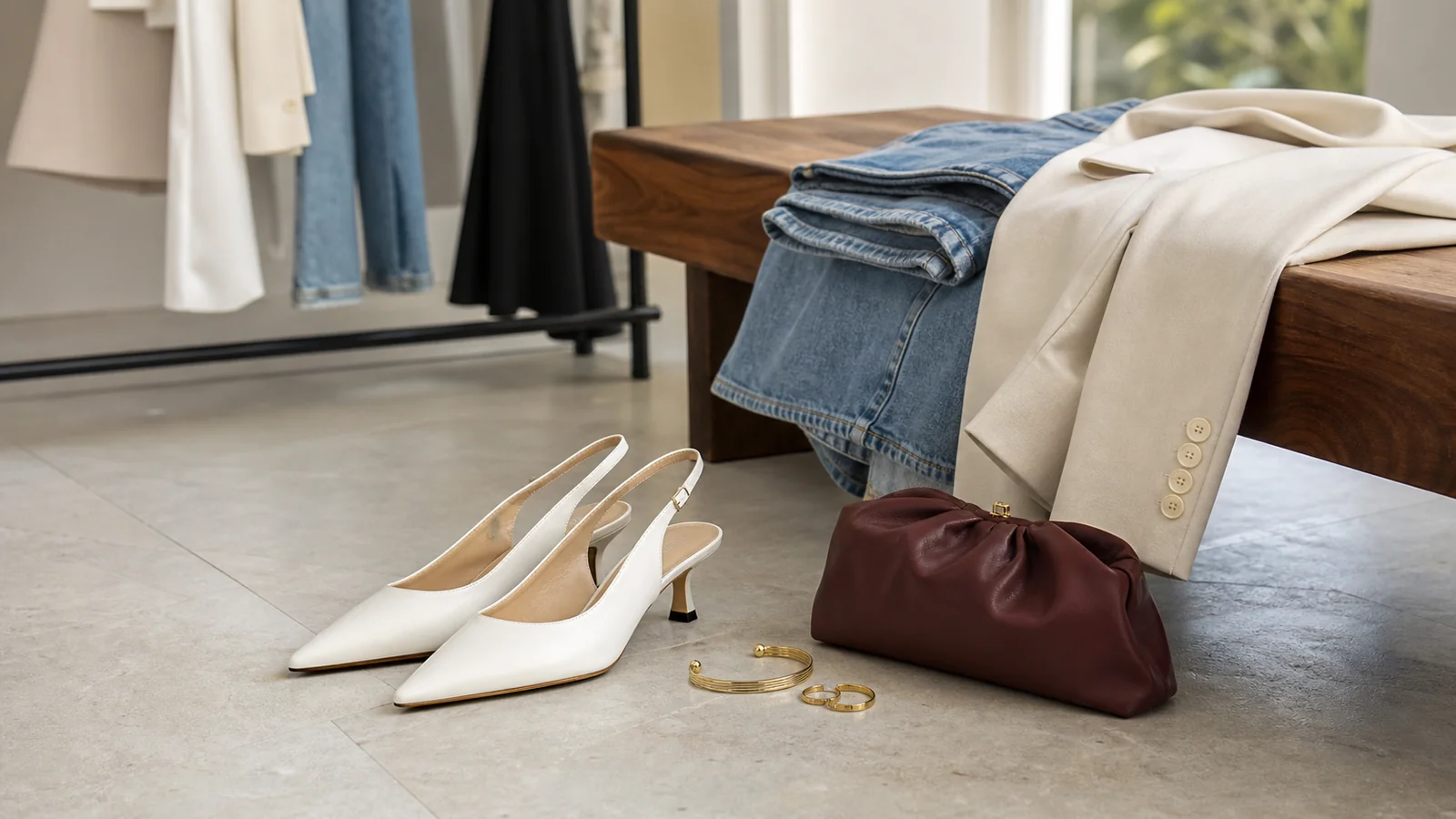
White Heel Shoes Outfit Guide
Style white heel shoes with denim, dresses, tailoring, color, and seasonal outfits without looking too bridal.
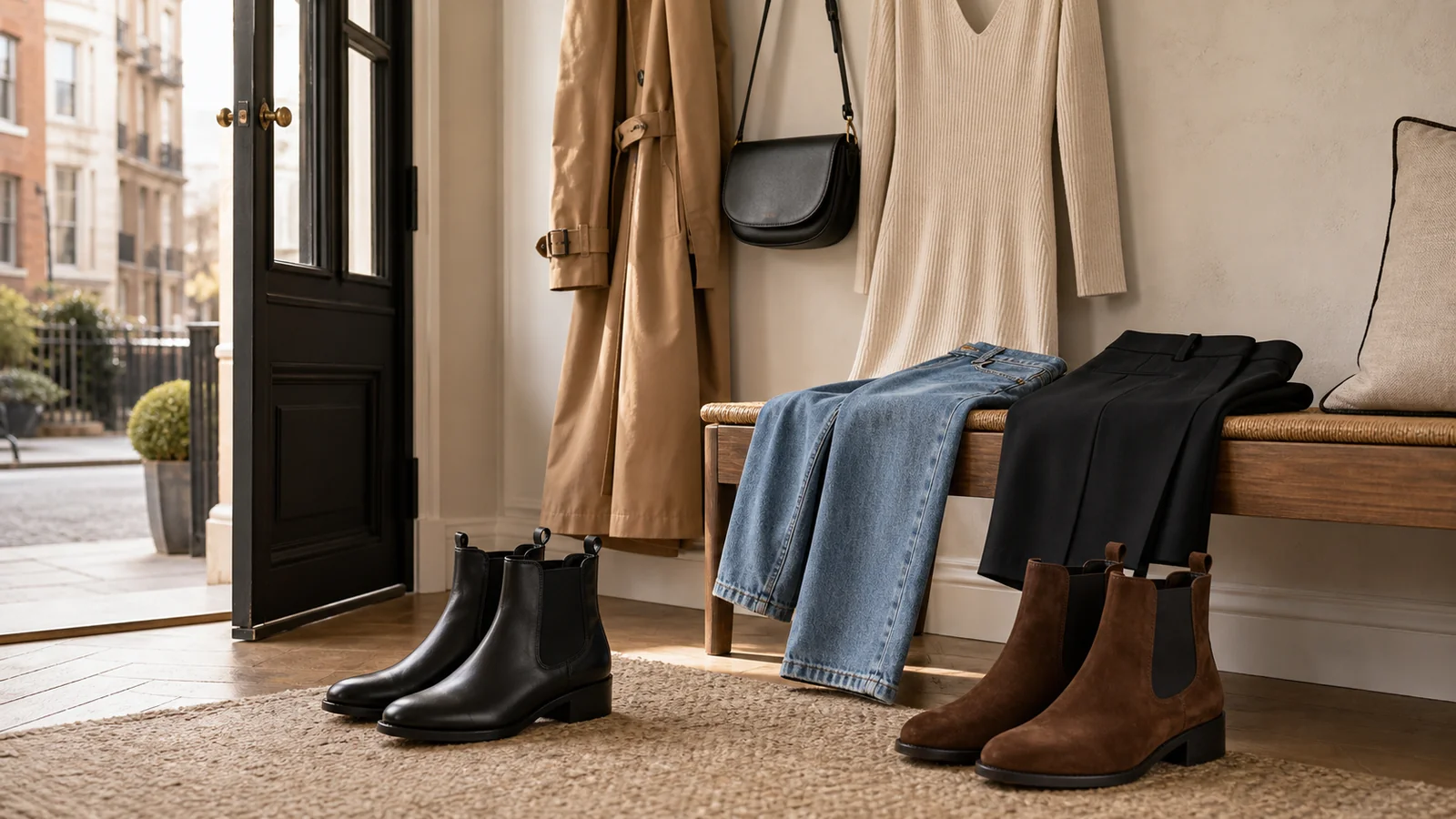
Chelsea Boots: Style, Fit, and Outfit Guide
Style Chelsea boots with jeans, trousers, dresses, coats, socks, and seasonal outfits without awkward hems.