Cheer Shoes: Fit, Grip, and Style Guide
Treat Cheer Shoes Like Equipment
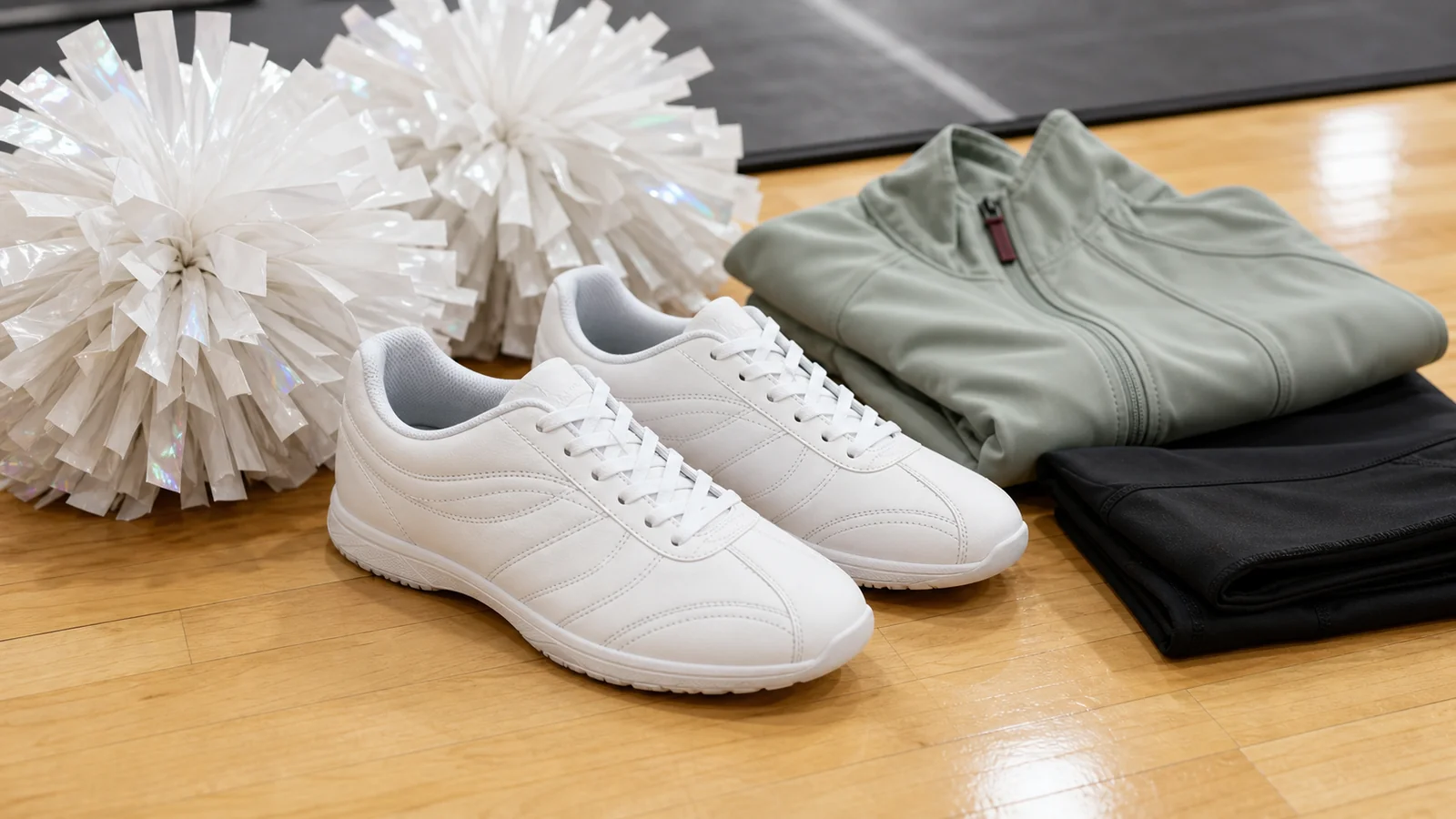
Cheer shoes may look like simple white sneakers, but a real cheer pair has a more specific job. It needs to grip mats or gym floors, flex for jumps and tumbling, stay light enough for sharp movement, and fit team rules. For flyers, bases, tumblers, and sideline cheerleaders, the wrong shoe can feel awkward fast.
Start with the cheer setting before the style. Competition mats, school sidelines, indoor practice, outdoor events, and youth teams can all ask different things from the shoe.
This is a review-style guide for comparing cheer shoes. It does not replace coach, gym, school, or team requirements. Always follow the rules for color, sole type, brand restrictions, and performance surface first.
What Makes Cheer Shoes Different
Cheer shoes are usually lighter, cleaner, and more flexible than everyday sneakers. They are built for sharp footwork, jumps, stunts, sideline routines, and sometimes tumbling. Many teams also prefer white shoes because they keep the uniform look crisp.
A good cheer shoe usually has:
- Lightweight construction
- Secure lacing
- Flexible forefoot
- Mat-friendly or court-friendly grip
- A low-profile shape
- Supportive but not bulky cushioning
- Smooth, easy-clean white upper
- Enough structure for landings and side movement
That combination is different from a running shoe. Running shoes are mainly built for forward motion. Cheer asks for pivots, jumps, landings, toe points, quick transitions, and sometimes hands-on contact during stunts.
Quick Match by Cheer Need
Use your role and surface as the first filter.
| Cheer need | Prioritize | Watch out for |
|---|---|---|
| Competition mat | Lightweight feel, flexible sole, reliable grip | Heavy running shoes |
| Sideline cheer | Cushioning, weather practicality, clean white style | Slippery soles on wet surfaces |
| Flyers | Low bulk, secure fit, smooth sides | Chunky shoes that feel hard to grip |
| Bases | Stability, traction, supportive platform | Shoes that twist too easily |
| Tumbling | Flexibility, toe control, secure laces | Loose heel fit |
| Youth cheer | Fit, easy cleaning, team approval | Buying too large for growth |
If you are unsure, ask the coach what the team expects. A perfect-looking shoe is not helpful if it is not allowed for the routine or surface.
Fit: Secure, Light, and Not Sloppy
Cheer shoes should feel secure without crushing the foot. Your heel should stay down. Your toes should have enough room, but not so much that the foot slides during jumps or tumbling.
Try them with the socks your team uses. Thin no-show socks, ankle socks, and cheer socks can all change fit.
Fit checks:
- Heel stays held during quick steps.
- Toes do not hit the front on landings.
- Midfoot feels secure without numbness.
- Laces hold the foot evenly.
- Collar does not rub the ankle bone.
- Shoe bends at the forefoot, not through the arch.
- Sole feels stable when standing on one foot.
- No pinching at the pinky toe or big toe joint.
Do not buy youth cheer shoes with too much extra length “to grow into.” A sloppy shoe can slide, rub, and make movement less controlled. If budget matters, choose a practical approved pair that fits now.
Grip for Mats, Floors, and Sidelines
Cheer traction depends on the surface. Competition mats need controlled grip. Gym floors need non-marking traction. Outdoor sidelines may need more durable soles and better weather judgment.
The outsole should grip without feeling sticky or clumsy. If the shoe slides, jumps and sharp counts feel uncertain. If it catches too aggressively, turns and transitions can feel awkward.
Do a surface-safe movement check if returns allow:
- Walk forward and backward.
- Step side to side.
- Rise onto the balls of your feet.
- Do a small jump and quiet landing.
- Pivot gently.
- Hold a balance on one foot.
Keep cheer shoes clean if they are used on mats. Outdoor dirt can reduce grip and mark practice surfaces. If the team allows it, keep a separate practice or sideline pair for rougher conditions.
Cushioning and Support
Cheer shoes need some impact protection, but they should not feel like oversized running shoes. Too much soft foam can make the shoe feel unstable during quick transitions. Too little cushioning can feel harsh during jumps and long practices.
Look for a low-profile, controlled cushion. The shoe should protect the foot while still letting you feel the floor. A stable heel and secure midfoot matter more than a pillowy first step.
Bases may want slightly more stability underfoot because they hold and catch weight. Flyers often prefer a lighter, slimmer shoe that is easier for bases to grip. Tumblers need secure laces and enough forefoot flexibility to move cleanly.
If you have pain, recurring ankle issues, or injury history, ask a coach, athletic trainer, or clinician what support you need. A cheer shoe can help with fit and movement feel, but it is not medical care.
Flyers, Bases, and Tumblers
Different cheer roles notice different shoe problems.
Flyers usually benefit from lightweight shoes with a clean shape, secure fit, and limited bulk. Thick, chunky soles can feel harder for bases to hold. Smooth upper areas can also matter because hands may contact the shoe during stunts.
Bases need stable traction and enough support. The shoe should not twist under pressure or slide during load changes. A secure heel and stable platform can help the foot stay centered.
Tumblers need a shoe that bends at the forefoot, stays tied, and does not slip at the heel. A shoe that is too stiff may fight movement. A shoe that is too flimsy may feel unsupported during landings.
Many athletes do more than one role, so choose balance unless your coach recommends something specific.
Indoor Practice vs Outdoor Sidelines
Indoor cheer shoes should stay clean and mat-friendly. White uppers, smooth soles, and lightweight construction often make sense. Avoid wearing mat shoes through muddy parking lots, wet grass, or rough pavement if you still need them for practice.
Outdoor sidelines can be different. Weather, turf, track surfaces, concrete, and grass can make very light cheer shoes feel less durable. Some teams still require the same white cheer shoes for the uniform look, while others allow separate practice or sideline pairs.
Ask before buying two pairs. Team rules come first. If you do use a separate outdoor pair, keep it visually aligned with the uniform: white, low-profile, clean, and simple.
Cheer Shoes vs Running Shoes
Running shoes can be comfortable, but they are not always right for cheer. They are often taller, softer, and bulkier than cheer shoes. That can feel unstable during pivots, stunts, and sharp transitions.
Cheer shoes usually have a cleaner white look, lower profile, lighter upper, and a sole made for cheer movement. They also tend to look more uniform with skirts, leggings, warmups, and performance outfits.
Running shoes may work for conditioning or general gym days if your coach allows them, but regular cheer practice and performance usually deserve cheer-specific footwear.
For a broader court-sport comparison, our volleyball shoes selection guide explains why indoor sport shoes need traction, side support, and landing control instead of only forward-motion comfort.
White Shoe Styling and Uniform Polish
Most cheer shoes are white because they keep the line clean with uniforms. That does not mean the style details are irrelevant. Shape, brightness, sole thickness, and how clean the shoe stays all affect the finished look.
For uniforms, keep shoes bright and simple. Avoid colorful socks unless the team uses them. Check whether bows, warmups, leggings, or socks need a specific shade of white.
For practice outfits, white cheer shoes work with black leggings, bike shorts, team tees, cropped warmups, sweatshirts, and track pants. Keep the shoe tied neatly and avoid letting long pant hems drag over the toe.
For travel to competitions, pack shoes separately from makeup, snacks, and wet clothing. A shoe bag keeps white uppers from picking up marks.
Cleaning and Care
White cheer shoes show everything. Clean small marks early instead of waiting for competition week.
Use a soft cloth for smooth uppers and a gentle brush for textured areas. A mild cleaner can help if the material allows it. Avoid soaking shoes unless the brand says it is safe. Heat can damage glue, foam, and shape, so let them air dry away from direct heat.
Keep soles clean too. Dust, dirt, and sticky residue can affect grip. Wipe the outsole before practice if it feels slick.
If the shoe starts to smell, let it dry fully between wears. Remove insoles if the shoe construction allows and they are damp. Do not store wet shoes in a sealed gym bag overnight.
Buying Checklist
Before you buy cheer shoes, check:
- Does your coach or team require a specific shoe?
- Is the color approved?
- Is the sole right for the performance surface?
- Does the shoe stay secure during jumps?
- Does it flex at the forefoot?
- Is the heel held without rubbing?
- Is it lightweight enough for your routine?
- Does it work for your role: flyer, base, tumbler, or sideline?
- Can it be cleaned easily?
- Is the return policy clear if the fit is wrong?
If ordering online, try the shoes indoors first. Keep them clean until you know they fit and the team approves them.
Common Mistakes
The first mistake is buying regular white sneakers and assuming they are cheer shoes. Cheer movement needs specific grip, flexibility, and fit.
The second mistake is choosing shoes before checking team rules. Some teams require exact styles.
The third mistake is sizing up too much for kids. Extra length can make the foot slide.
The fourth mistake is wearing mat shoes outdoors every day, then expecting them to stay clean and grippy.
The fifth mistake is ignoring role. Flyers, bases, and tumblers may notice different shoe issues.
FAQ
What shoes do you wear for cheerleading?
Most cheerleaders wear cheer-specific shoes approved by their team or coach. They are usually lightweight, white, flexible, and designed for mat, floor, stunt, and sideline movement.
Can I use running shoes for cheer?
Running shoes are not ideal for regular cheer because they are usually built for forward motion and may be too bulky or unstable for stunts, jumps, and tumbling. Use cheer shoes when your team requires them.
Should cheer shoes fit tight?
Cheer shoes should fit secure, not tight. Your heel should stay held, your toes should not hit the front, and the midfoot should feel controlled without numbness.
How do you keep cheer shoes white?
Wipe marks early, avoid outdoor dirt when possible, pack shoes in a separate bag, and let them air dry after practice. Follow the shoe brand’s cleaning instructions for the material.
The Bottom Line
Cheer shoes should look clean, but they are more than white sneakers. Choose by team rules, surface, fit, grip, flexibility, role, and care needs. A good pair helps your movement feel sharper, keeps the uniform polished, and supports the specific work your feet do in cheer.
You might also like
Angel Reese Shoes: Style and Fit Guide
Review Angel Reese shoes by basketball use, bold styling, fit checks, outfit formulas, kids sizing, and care.
Topo Shoes: Fit and Style Guide
Review Topo shoes by roomy toe box, low drop, road and trail use, walking comfort, sizing, and casual outfits.
RUDIS Wrestling Shoes: Fit and Mat Guide
Review RUDIS wrestling shoes by fit, grip, ankle feel, practice use, sizing, and athletic outfit crossover.