Volleyball Shoes: How to Choose the Right Pair
Start With the Way You Actually Play
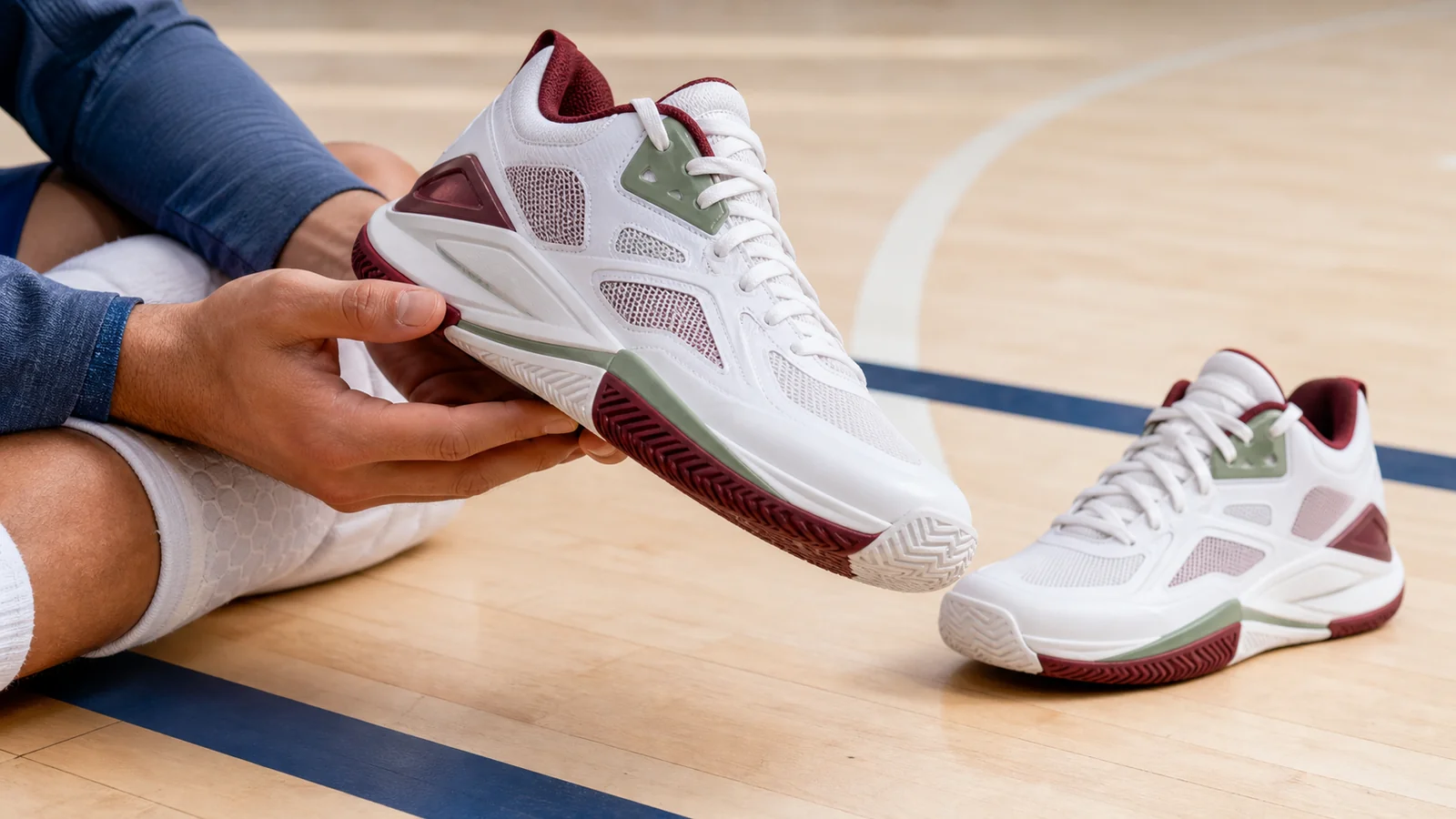
Volleyball shoes can look similar online, but the right pair depends on how you move. A player who jumps often needs a different feel than someone who spends more time passing, covering, or playing casual weekend games. The best volleyball shoes should hold your foot during side steps, grip clean indoor floors, soften repeated landings, and still feel quick enough for short bursts.
This guide is not a hands-on review of one current model. We are using a review-style checklist so you can compare volleyball shoes more honestly before buying. The goal is to match the shoe to your court movement, foot shape, socks, braces, and the way you use athletic shoes in your wardrobe.
If you already own a pair that mostly works, start there. Notice what you like, then name the problem: slipping heel, sore forefoot, tired knees, narrow toe box, dusty outsole, or a shoe that feels slow. That one complaint will guide the next purchase better than a trend list.
What Makes Volleyball Shoes Different
Volleyball asks for a mix of movements: jump, land, shuffle, stop, pivot, and sprint a few steps. Running shoes are built mainly for forward motion. Fashion sneakers are built mainly for looks. Volleyball shoes sit closer to indoor court footwear, with traction, lateral support, and landing comfort doing more of the work.
Good volleyball shoes usually have:
- Non-marking indoor traction
- A stable base for side-to-side movement
- Cushioning that helps with repeated jumps
- A secure midfoot and heel
- Enough flexibility for quick starts
- An upper that holds the foot without rubbing
That does not mean every player needs the stiffest or most cushioned option. Too much shoe can feel heavy. Too little support can feel unstable. The useful question is not “what is the best volleyball shoe?” It is “what does my movement need the shoe to control?”
Choose Traction Before Color
Traction is the first filter. On an indoor court, your outsole should grip without dragging, squeaking in a way that feels sticky, or sliding when the floor gets dusty. Gum rubber and other non-marking indoor outsoles are common because they are designed for polished court surfaces.
Look at the outsole pattern, but do not judge by appearance alone. A dramatic tread does not automatically mean better volleyball performance. The sole needs clean floor contact, controlled pivots, and enough edge grip for lateral steps.
If you can try the shoes in person, do three simple checks:
- Take a quick side step and stop.
- Rise onto the balls of your feet.
- Do a small jump and quiet landing.
The shoe should feel planted under both heel and forefoot. If the outsole grips but your foot slides inside the upper, the problem is fit. If your foot feels secure but the shoe skids, the outsole may be wrong for your court or already too dusty.
Keep court shoes away from pavement when possible. Outdoor wear can rough up the outsole and bring dirt back onto the gym floor.
Match Cushioning to Your Jump Load
Cushioning matters most if you jump often, play long practices, or feel impact in your heels, knees, or forefoot. Hitters and blockers may want more landing protection. Defensive players may prefer a lighter, more responsive feel.
The right cushioning should soften impact without making the shoe feel unstable. Very soft foam can feel comfortable while standing, then wobble during a hard side step. Very firm shoes can feel fast, but harsh after repeated landings.
Try to separate “plush” from “protective.” A shoe can feel pillowy and still lack control. A shoe can feel firm and still protect your foot if the base is stable and the foam rebounds well.
If you are choosing between two pairs, compare how they feel when you land. Your heel should not slam into the floor. Your forefoot should not feel squeezed. Your ankle should not tip inward or outward when your weight comes down.
Check Side Support and Heel Lock
Volleyball shoes need to keep your foot centered over the sole. Side support can come from a wider base, structured overlays, internal straps, sidewalls, firmer heel counters, or a lacing system that locks the midfoot.
A good fit feels like a firm hold, not a squeeze. The heel should stay down when you walk and shift. The midfoot should feel secure. The toe box should allow your toes to spread slightly, especially during landings.
If the length feels right but the heel slips, try a runner’s loop or heel-lock lacing method. If the shoe still moves, do not rely on thicker socks to fix it. Extra sock bulk can create new pressure points.
Wide feet need special attention. Some volleyball shoes run narrow through the midfoot or toe box. If your forefoot spills over the sole during side movement, try a different last, width, or model.
Use Your Position as a Starting Point
Your position does not choose the shoe for you, but it can point you toward the right priorities.
| Court need | Shoe priority | Fit note |
|---|---|---|
| Frequent jumping | Cushioning with stable landings | Avoid a high, wobbly platform |
| Quick defense | Light feel and sharp traction | Keep the heel secure |
| All-around play | Balanced cushion, grip, and support | Test side steps and jumps |
| Ankle braces | Extra volume and easy lacing | Bring the brace when trying on |
| Recreational play | Comfort and reliable court grip | Do not overbuy stiffness |
If you play several roles, choose balance. A shoe that is only fast may feel harsh when you jump. A shoe that is only plush may feel slow when you defend. Most players need a middle ground.
Try Shoes With Real Socks and Braces
Volleyball shoe fit changes when you add thick socks, compression socks, ankle braces, or custom insoles. Bring the pieces you actually use. A shoe that feels perfect with thin socks may feel too tight once you wear your game setup.
Check the fit late in the day if your feet swell. Leave enough toe room that your nails do not hit the front during stops. At the same time, avoid extra length that lets your foot slide forward.
Walk around, then move like you play. Stand on the balls of your feet. Shuffle a few steps if you have space. Bend the forefoot. Notice any collar rubbing, tongue pressure, or side pinching.
If a shoe creates a hot spot in five minutes, it may create a blister after practice. Break-in can soften a shoe, but it should not turn a painful fit into a good one.
Think About Court Shoes and Casual Style Separately
Volleyball shoes often look sporty enough for everyday outfits, but your main court pair should stay clean if you depend on the grip. Dirt, pavement, and daily wear can flatten cushioning and dull traction.
If you like the look off court, use a separate casual pair. Volleyball shoes can work with straight jeans, relaxed trousers, leggings, track pants, sweatshirts, cropped jackets, and simple tees. They usually pair better with sporty or casual pieces than with delicate dresses or sharp tailoring.
For outfit balance, look at the shoe shape:
- Chunkier court shoes need straight or wider bottoms.
- Slim court shoes can work with leggings or cropped denim.
- Bright colorways look cleaner with simple clothes.
- White or navy pairs are easier to repeat.
For more general court-shoe basics, our volleyball shoes fit and court guide explains traction, support, and care in a broader way.
Red Flags When Comparing Volleyball Shoes
The first red flag is a shoe that twists easily through the middle. Some flexibility is useful, but a shoe that folds too much may not support quick side movement.
The second red flag is a heel that slips. Heel movement can create blisters, slow starts, and unstable landings.
The third red flag is a toe box that feels narrow before play. Volleyball includes sudden stops, so cramped toes can become painful quickly.
The fourth red flag is a shoe chosen only for cushioning. Softness matters, but the base still needs control.
The fifth red flag is an outsole that has already been worn outdoors. A volleyball shoe with a dirty or smoothed outsole may not grip as expected indoors.
A Simple Buying Checklist
Before you buy, compare the shoe against your real court needs:
- Does the outsole grip the kind of court you play on?
- Does the shoe hold your heel and midfoot?
- Do your toes have room during stops?
- Does the cushioning match your jump load?
- Does the base feel stable during side steps?
- Can it fit your socks, brace, or insole?
- Is it comfortable right away without obvious rubbing?
- Are you keeping it for court use or casual outfits?
If you are ordering online, check the return policy before wearing the shoes outside. Try them indoors on a clean surface, with your volleyball socks and any brace or insole. Keep them clean until you decide.
Care Rules That Make the Pair Last
Let volleyball shoes air out after practice. Remove insoles if they are damp and the shoe construction allows it. Wipe dusty outsoles with a slightly damp cloth, then let them dry before storage.
Do not leave court shoes in a hot car or sealed gym bag for long periods. Heat and moisture can affect glue, foam, odor, and upper structure.
Avoid machine washing unless the brand specifically says the shoe can handle it. Spot cleaning is usually safer. Use a soft brush for dry dirt and a mild cloth for marks. Let shoes dry away from direct heat.
If you play often, rotate pairs when possible. Foam needs time to recover and dry. A second pair can also help you understand what kind of cushioning and support your feet prefer.
FAQ
Are volleyball shoes worth it for beginners?
They can be worth it if you play on indoor courts regularly. Beginners who play casually may not need the most advanced pair, but they still benefit from court grip, side support, and a secure fit.
Should volleyball shoes feel tight?
They should feel secure, not tight. Your heel and midfoot should stay in place, but your toes need enough room for stops, jumps, and foot swelling during play.
Can I use basketball shoes for volleyball?
Some basketball shoes can work because they are also court shoes. Check weight, grip, heel height, cushioning, and lateral support before using them for volleyball.
How long do volleyball shoes last?
It depends on how often you play, your movement style, court conditions, and whether you wear them outside. Replace them when traction fades, cushioning feels dead, or support breaks down.
The Bottom Line
Volleyball shoes should make court movement feel cleaner: better grip, steadier side steps, softer landings, and less sliding inside the shoe. Start with your playing style, then compare traction, cushioning, lateral support, fit, and care needs. The best pair is not just the newest or brightest shoe. It is the one that helps your feet feel secure through the movements you actually make.
You might also like
Shoes in Volleyball: Fit, Grip, and Support Guide
Understand why volleyball shoes matter for grip, landing, side support, fit, court care, and casual wear.
Volleyball Shoes: Fit, Grip, and Court Guide
Choose volleyball shoes by traction, cushioning, side support, position, fit, and indoor-court needs.
Best Running Shoes for Flat Feet: Support Guide
Find running shoes for flat feet by stability, arch feel, width, cushioning, gait, and real fit checks.