RUDIS Wrestling Shoes: Fit and Mat Guide
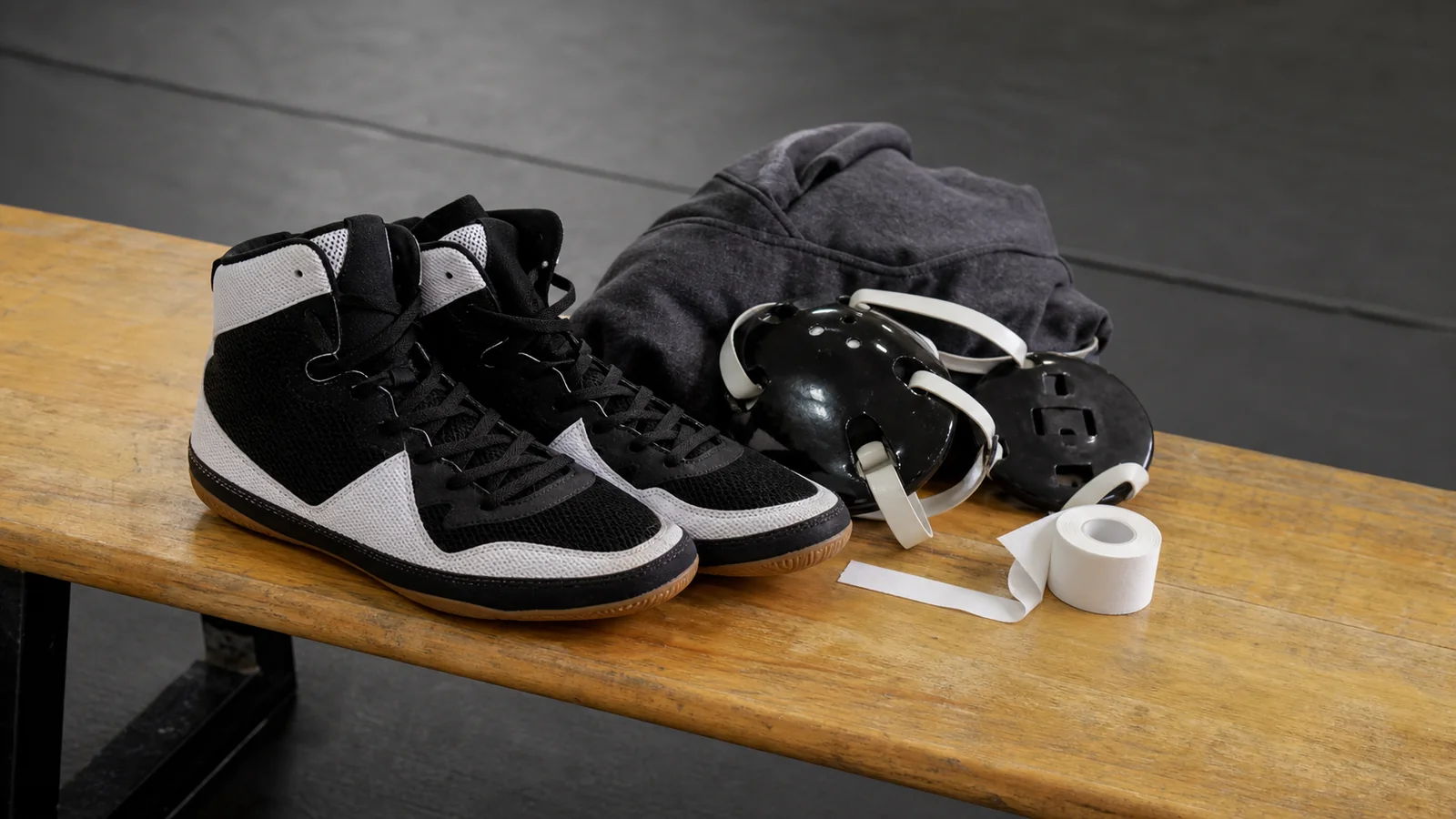
Start With the Mat, Not the Logo
RUDIS wrestling shoes make sense for shoppers who want a serious mat shoe with a modern athletic look. The brand is tied closely to wrestling culture, so the shoes often appeal to athletes who care about grip, foot feel, ankle security, and the visual energy of their training gear.
That does not mean every RUDIS pair fits every wrestler. Wrestling shoes are close-fitting tools. They have to hold the foot during shots, pivots, sprawls, pressure steps, and mat returns. A colorway may catch your eye first, but fit and traction decide whether the shoe is useful.
This is a review-style guide for choosing RUDIS wrestling shoes. It does not claim hands-on testing of a specific model, and it does not replace your coach’s advice. Use it to compare fit, outsole feel, ankle height, practice needs, and how the shoes work with your broader training wardrobe.
What RUDIS Wrestling Shoes Are Known For
RUDIS wrestling shoes usually sit in the performance wrestling lane rather than the casual sneaker lane. Depending on the current model, the brand highlights ideas such as lightweight construction, sock-like fit, flexible feel, mat traction, and a locked-in upper.
The main reasons to consider them are:
- You want wrestling-specific footwear, not a general gym shoe.
- You like a close, connected feel underfoot.
- You train on the mat often enough to notice grip and flex.
- You want strong athletic styling without leaving the wrestling category.
- You prefer a shoe that can match singlets, warmups, joggers, and practice layers.
They may be less appealing if you want a roomy everyday sneaker, a cushioned running shoe, or a shoe for heavy lifting outside wrestling practice. Wrestling shoes are narrow, low-profile, and purpose-built. That is the point, but it also limits where they feel natural.
Choose by Wrestler Type
Instead of asking which RUDIS shoe is universally best, start with your wrestling style and training routine.
| Wrestler need | What to look for | Why it matters |
|---|---|---|
| Quick neutral attacks | Lightweight upper, responsive sole | Helps with level changes and first steps |
| Heavy hand fighting | Secure laces, locked midfoot | Keeps the foot from sliding inside |
| Ankle confidence | Higher collar or firmer hold | Adds a more contained feel |
| Long practices | Breathable upper, no hot spots | Reduces rubbing during repeated drilling |
| Wider feet | Careful sizing and return check | Wrestling shoes often fit snug |
| Style-focused gear | Colorway that matches warmups | Keeps the shoe usable beyond one singlet |
If you are between two models, the better shoe is usually the one that feels more secure during wrestling movements, not the one that looks best while standing still.
Fit: Snug Is Normal, Pain Is Not
Wrestling shoes should fit closer than casual sneakers. Your foot should feel held, especially through the midfoot and heel. The shoe should not flop, slide, or leave extra length at the front.
That said, a tight wrestling shoe should not numb your toes, crush the sides of your foot, or rub the ankle raw within minutes. Snug and painful are different.
Try RUDIS wrestling shoes with the socks you actually wear for practice. Lace them fully, then move:
- Bounce lightly on the balls of your feet.
- Drop into a stance.
- Step forward and back.
- Pivot on each foot.
- Sprawl gently if you have safe space.
- Check whether your heel lifts.
- Notice pressure on the pinky toe and big toe joint.
Some shoppers report that wrestling shoes can feel narrow or close at first. If you prefer a little more room, or if a specific RUDIS product page suggests sizing guidance, consider whether a half size up makes sense. Do not size up so much that your foot slides. Extra length can create blisters and make the shoe feel less precise.
For general friction issues, our how to stop shoes from blistering guide covers lacing, socks, padding, and early hot-spot fixes.
Grip and Outsole Feel
Mat grip is the reason you do not want random sneakers for wrestling practice. A wrestling outsole should help you push, circle, shoot, and recover without sliding across the mat or feeling glued down.
RUDIS models may use different outsole patterns, split sole layouts, or flexible zones. The best choice depends on how much traction and ground feel you like.
A grippier outsole can feel secure when you drive through a shot or fight for position. A more flexible, lower-profile feel can help quick wrestlers stay connected to the mat. Too much stick can make pivots feel awkward. Too little grip can make stance motion feel nervous.
Check the outsole when shoes arrive. It should feel clean, even, and ready for mat use. Keep wrestling shoes off dirty outdoor surfaces because dust and pavement wear can reduce grip and bring debris onto the mat.
Ankle Height and Support
Many wrestling shoes use a higher cut than regular sneakers, but they do not all feel the same around the ankle. Some feel more sock-like and flexible. Others feel more structured through the collar.
Choose a more flexible feel if you value range of motion, quick footwork, and a close-to-barefoot sensation. Choose a more contained feel if you like the ankle wrapped and secure during hand fighting, sprawls, and pressure-heavy drilling.
Ankle height alone does not guarantee support. The heel hold, lacing system, upper material, and outsole stability all matter. If your heel slips, the collar height will not solve the problem by itself.
If you have a history of ankle injury, ask a coach, athletic trainer, or clinician what kind of support you need. A shoe can help with feel and containment, but it is not a medical plan.
Practice, Competition, and Rotation
If you wrestle several times a week, one pair of shoes may wear faster than expected. Mat texture, drilling volume, foot drag, and how often you compete all affect lifespan.
For regular practice, prioritize comfort, durability, and a color you will not mind seeing every day. For competition, you may want the pair that feels most locked-in and confidence-building. Some athletes keep an older pair for drilling and a cleaner pair for meets.
Watch these wear signs:
- Outsole areas turning smooth
- Upper stretching around the midfoot
- Heel slipping more than before
- Toe drag damage
- Laces fraying
- Odor that does not improve after drying
- Collar padding flattening unevenly
Do not wait until a shoe fails on the mat. If the outsole loses grip or the upper no longer holds your foot, replace it.
Style and Color Choices
RUDIS wrestling shoes often have strong colorways, graphics, and contrast details. That can be fun, but choose color with your real gear in mind.
Black, white, gray, navy, red, and team-color combinations are easiest to repeat. Bright colorways can look sharp with simple practice clothes, but they become the visual focus quickly. If your singlet or warmup is already bold, a calmer shoe may look more polished.
For a clean practice outfit, pair black or white RUDIS shoes with dark compression shorts, a fitted tee, and a zip hoodie. For team travel, matching the shoe accent to a warmup stripe can look intentional without overdoing it. For open mats or summer camps, bright shoes work best when the rest of the outfit stays simple.
Avoid treating wrestling shoes like normal street sneakers. They can look interesting with joggers in a gym setting, but outdoor wear shortens outsole life and can bring dirt back to the mat.
Can You Wear RUDIS Wrestling Shoes for Lifting or Gym Work?
RUDIS wrestling shoes are made for wrestling. Some athletes like wrestling shoes for certain gym work because they are flat, light, and close to the ground. Still, they are not all-purpose trainers.
They may feel useful for light strength work, bodyweight training, mobility, or warmups. They are usually not the best choice for running, long walks, outdoor conditioning, court sports, or workouts that need more cushioning.
Be especially careful with surfaces. A clean indoor gym floor is different from pavement, turf, or rough rubber. If you want your wrestling shoes to stay mat-ready, keep them mostly for wrestling spaces.
For court-specific movement, our pickleball shoes fit and grip guide explains why lateral sport shoes need their own traction and support decisions.
RUDIS vs Other Wrestling Shoe Brands
RUDIS competes in a category where fit is personal. ASICS, Adidas, Nike, Rudis, and other wrestling footwear brands can all make strong shoes, but the last shape, upper feel, and outsole pattern vary.
Choose RUDIS first if you like the brand’s wrestling identity, want a modern performance look, and find that its shape holds your foot well. Try another brand if you need a different width, a different ankle feel, or a more familiar fit from past seasons.
The smartest comparison is not brand against brand in the abstract. Try the specific RUDIS model against another specific wrestling shoe in the same size range. Then judge stance comfort, heel hold, toe pressure, flex, and grip.
Buying Checklist
Before keeping RUDIS wrestling shoes, check the details that matter on the mat.
- Does the product page describe the shoe as wrestling-specific?
- Is the size guidance clear?
- Can you return or exchange if the fit is wrong?
- Does the shoe hold your heel during movement?
- Do your toes have enough room without sliding?
- Does the outsole match your preference for grip and flex?
- Is the upper secure without painful pressure?
- Does the ankle collar feel helpful rather than restrictive?
- Will the color work with your practice and team gear?
If you are buying for a growing athlete, do not leave too much room for growth. A wrestling shoe that is too large can slide during movement. Fit the current foot and replace when needed.
Common Mistakes
The first mistake is buying by colorway alone. Wrestling shoes have to function under pressure.
The second mistake is expecting casual sneaker comfort. A wrestling shoe should feel close, low, and connected.
The third mistake is wearing mat shoes outdoors. Dirt and outsole wear can hurt traction and mat hygiene.
The fourth mistake is sizing up too far to solve width. A wider-feeling model may be better than extra length.
The fifth mistake is ignoring hot spots during the return window. If pressure feels sharp at home, it may get worse during practice.
FAQ
Are RUDIS wrestling shoes good?
RUDIS wrestling shoes can be a strong choice if their fit, grip, and ankle feel match your wrestling style. The best pair is the one that feels secure during real stance and movement checks.
Do RUDIS wrestling shoes run small?
Fit can vary by model, and wrestling shoes usually feel snug compared with casual sneakers. Check the current product guidance, try them with practice socks, and consider whether a half size up is needed for comfort without sliding.
Can I wear RUDIS wrestling shoes outside?
It is better to keep wrestling shoes indoors and mat-focused. Outdoor wear can dirty the outsole, reduce grip, and shorten the shoe’s useful life.
Are wrestling shoes good for lifting?
Some athletes like wrestling shoes for certain indoor gym work because they are flat and close to the ground. They are not a replacement for running shoes, court shoes, or cushioned training shoes.
The Bottom Line
RUDIS wrestling shoes are worth considering if you want a mat-specific shoe with close fit, athletic styling, and wrestling-first design. Start with your stance, grip needs, ankle feel, and practice routine before choosing a color. If the shoe holds your foot securely, grips cleanly, and stays comfortable through movement, it can support both your training and your gear style.
You might also like
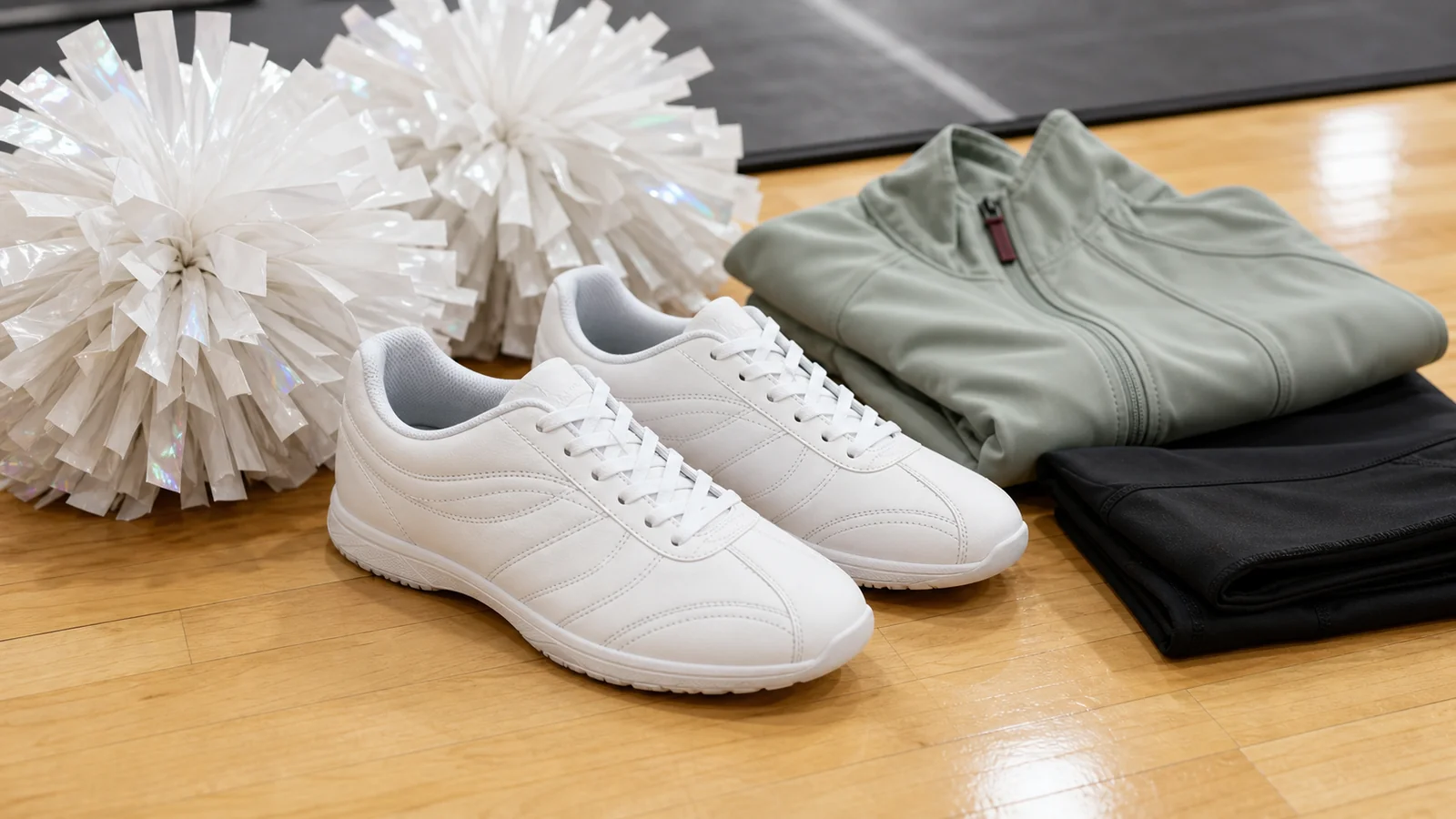
Cheer Shoes: Fit, Grip, and Style Guide
Choose cheer shoes by mat grip, support, flexibility, stunt role, team rules, sideline use, and clean white styling.
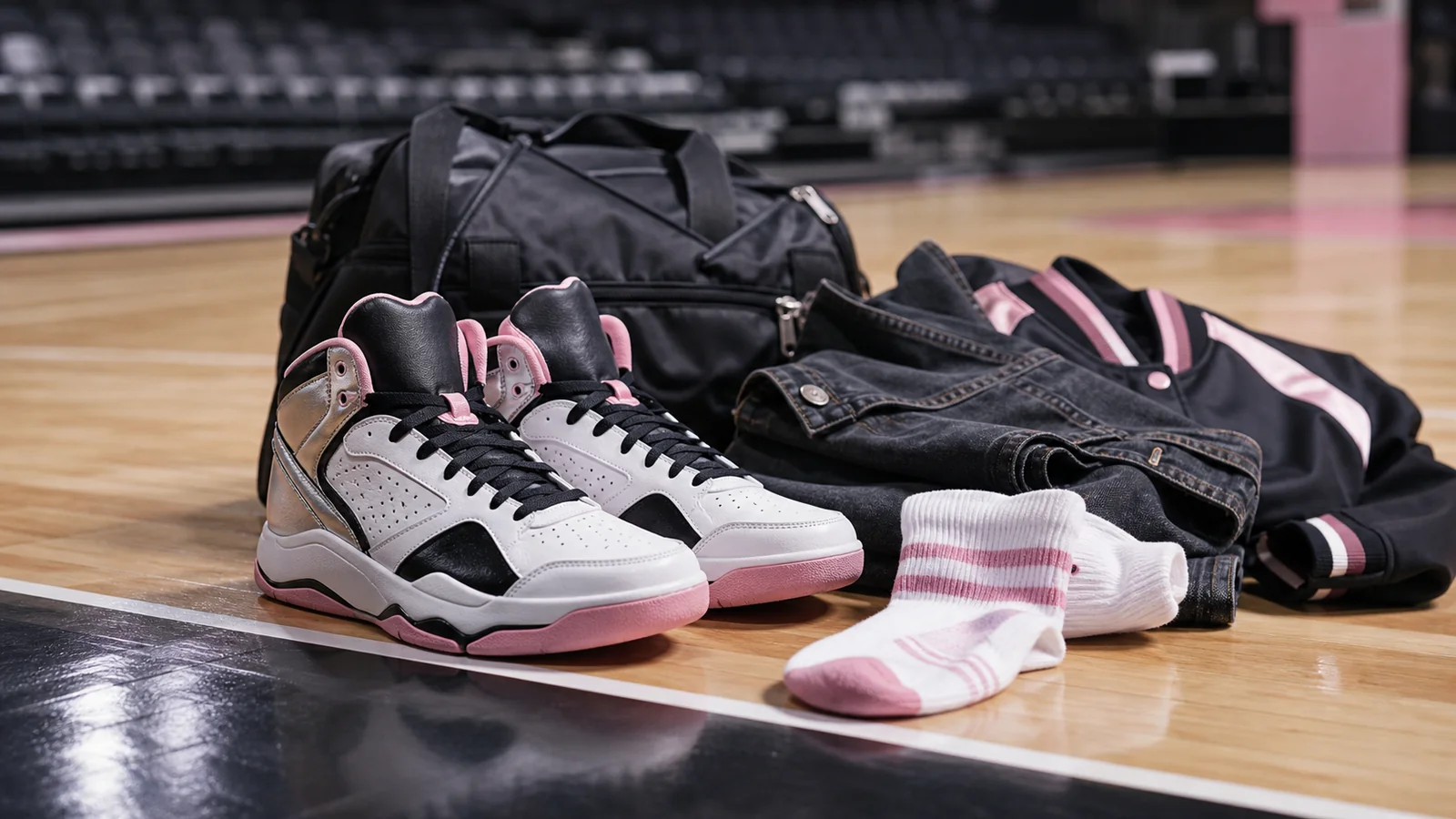
Angel Reese Shoes: Style and Fit Guide
Review Angel Reese shoes by basketball use, bold styling, fit checks, outfit formulas, kids sizing, and care.
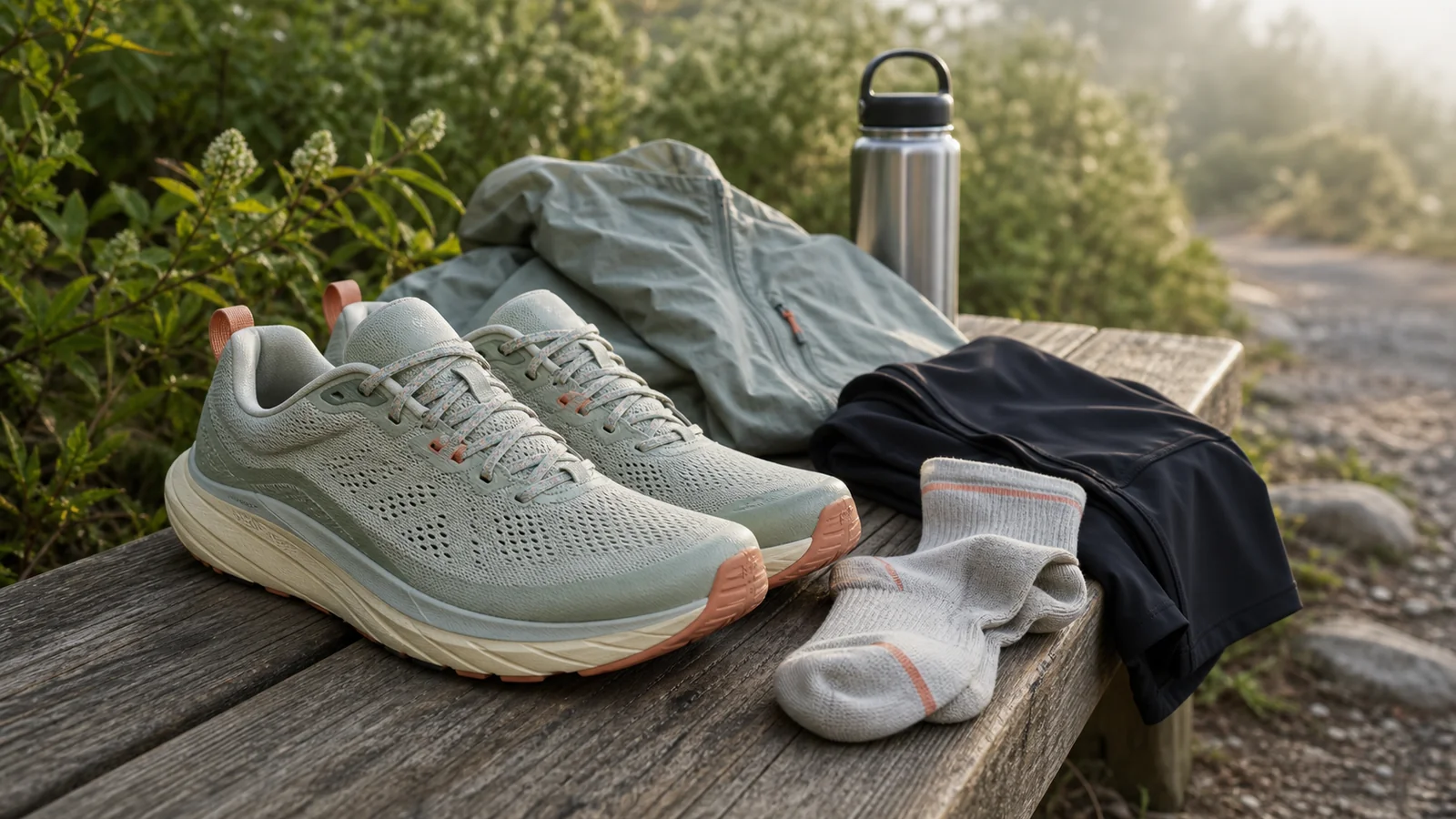
Topo Shoes: Fit and Style Guide
Review Topo shoes by roomy toe box, low drop, road and trail use, walking comfort, sizing, and casual outfits.