Clothing Shift Dress Styling Guide
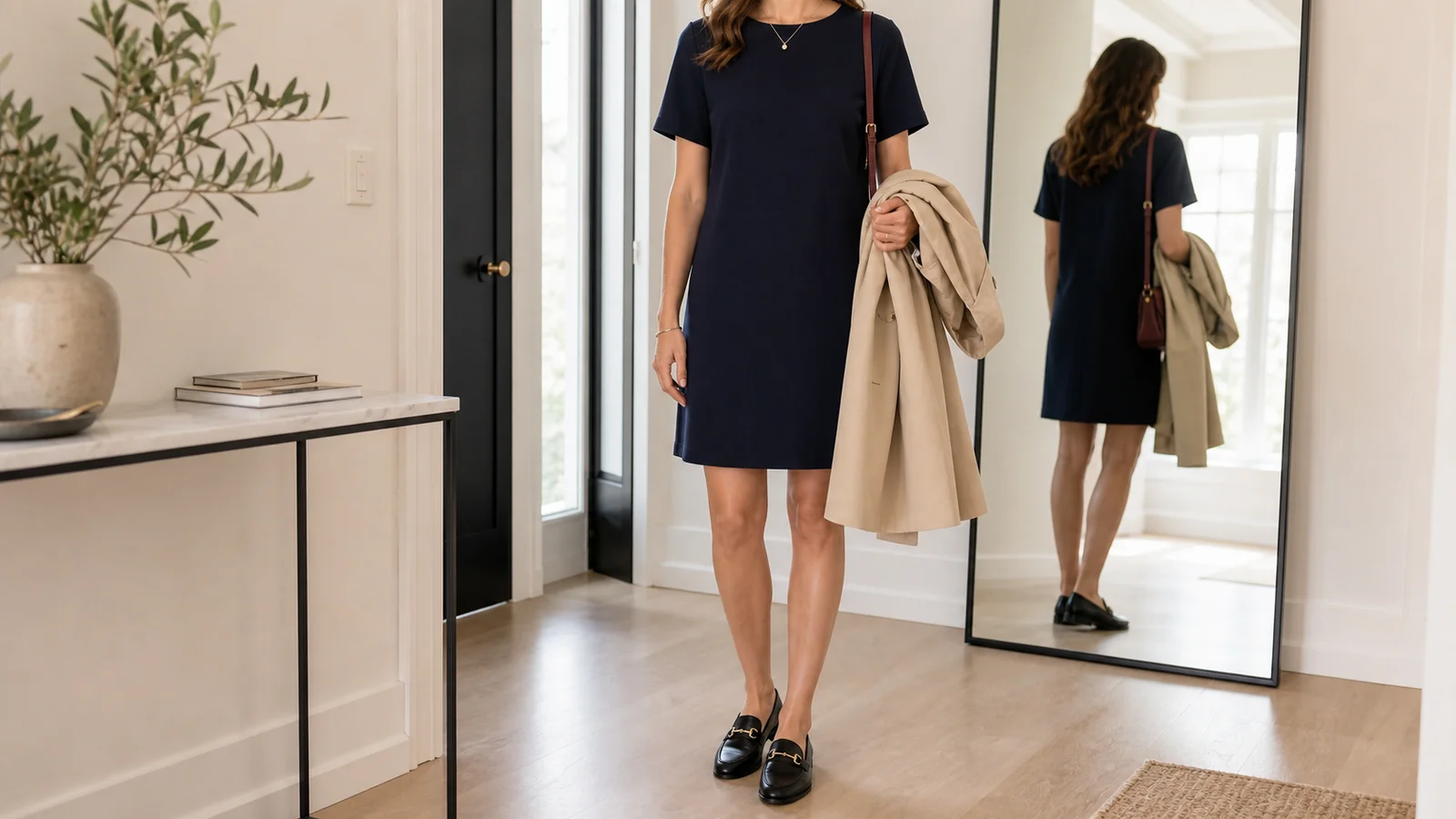
Why a Shift Dress Needs Smart Styling
A clothing shift dress is simple on purpose. It falls from the shoulders with a straighter line, usually without a fitted waist. That clean shape can look polished, modern, and easy. It can also look plain if the shoes, length, and layers do not give it enough direction.
The useful thing about a shift dress is that it does not demand one body shape or one occasion. It can work for office days, dinners, travel, summer weekends, and casual events. The key is deciding whether you want the dress to look crisp, relaxed, retro, or evening-ready, then choosing the pieces around it.
Think of the dress as a clean base. Shoes set the mood. Outerwear changes the proportion. Jewelry, bags, tights, and belts decide whether the look stays minimal or gets more styled.
Choose the Right Shift Dress Shape
The best shift dress is not tight through the waist, but it should still fit your frame. The shoulder seam should sit neatly. The armholes should not gape. The bust should not pull. The hem should hang straight instead of twisting or catching on the hips.
Length matters because a shift dress has less waist definition than many dresses. Above-the-knee and knee-length shifts often feel the easiest to style. A longer shift can work, but it needs the right fabric and shoe so it does not look heavy.
Fabric changes the whole mood. Cotton and linen shifts feel relaxed and warm-weather friendly. Ponte, crepe, and wool-blend shifts can look work-ready. Satin, jacquard, lace, or embellished fabrics lean more toward dinner and events.
If the dress feels too boxy, do not assume it is wrong. Try it with a sharper shoe, a cropped jacket, or a long coat first. If the shoulder and bust fit badly, tailoring or a different size will usually help more than accessories.
Shoes That Work With a Shift Dress
Shoes decide whether the straight dress shape looks polished or unfinished.
| Shoe style | Best effect | Try it with |
|---|---|---|
| Loafers | Smart, practical, city-ready | Work shifts, black tights, trench coats |
| Ballet flats | Soft and neat | Short shifts, cardigans, small bags |
| Low sneakers | Casual and modern | Cotton shifts, denim jackets, travel outfits |
| Pointed flats | Lengthening and polished | Knee-length shifts, bare legs, slim coats |
| Ankle boots | Grounded and cool-weather friendly | Dark shifts, opaque tights, wool coats |
| Heeled sandals | Evening-ready | Satin, jacquard, or black shift dresses |
If the dress is short, a flatter shoe can make it easier for daytime. Loafers, ballet flats, and sleek sneakers balance the hem without making the outfit feel too dressed.
If the dress is knee-length or slightly longer, pointed flats, low heels, or ankle boots can help lengthen the line. This is especially useful when the shift dress has a boxier cut.
For a dinner outfit, choose a shoe with a little shape: a pointed ankle boot, slim heel, or refined sandal. The dress is simple, so the shoe can provide the polish without needing loud accessories.
How to Layer a Shift Dress
Outerwear should either sharpen the straight shape or soften it deliberately. Avoid layers that stop at the widest point of the dress and make the outfit look bulky.
A blazer is the easiest office layer. Choose one that is either cropped enough to show the dress shape or long enough to cover the hips cleanly. A blazer that ends at the same spot as the dress can look awkward unless the colors are very close.
A trench coat works well because it adds movement and a vertical line. Leave it open for a relaxed look or tie the belt behind your back if you want shape without squeezing the dress.
A cropped jacket can make a shift dress feel less formal. Denim, leather, or a short tweed-style jacket works with casual shifts and weekend plans.
A cardigan can work, but keep the knit intentional. A fine, cropped cardigan feels neat. A long, slouchy cardigan can make a straight dress look sleepy unless the shoes and bag are structured.
For colder days, tights and boots are often better than adding too many top layers. If you like simple dress formulas, our mini dress outfit guide has more ideas on using tights, coat length, and shoe weight to balance short hems.
Office, Weekend, and Dinner Outfit Formulas
For the office, wear a navy, black, or gray shift dress with loafers, sheer or opaque tights, a blazer, and a structured tote. Keep jewelry small and clean. This lets the dress look professional without forcing a fitted silhouette.
For a creative workday, try a textured shift dress with pointed flats, a cropped jacket, and a slim shoulder bag. Add a scarf or a bold earring if the dress is very plain.
For a weekend day, choose a cotton or linen shift dress with low sneakers, a denim jacket, and a crossbody bag. This works especially well when the dress has short sleeves or a relaxed neckline.
For dinner, wear a black shift dress with heeled sandals or ankle boots, a long coat, and a small bag. If the dress is minimal, add one polished accent: gold earrings, a cuff bracelet, or an oxblood bag.
For travel, choose a shift in a wrinkle-resistant fabric. Wear it with flat loafers or sleek sneakers, a trench, and a bag that sits close to the body. The dress should let you sit, walk, and layer without fussing.
Belts, Bags, and Jewelry
A shift dress does not need a belt, but a belt can change the mood. A slim belt gives slight waist definition without fighting the dress. A wide belt creates a more dramatic shape, but it can bunch fabric if the dress was not cut for it.
If the dress is printed or textured, keep the bag simple. If the dress is plain, the bag can carry more personality. A structured top-handle bag makes a shift dress look polished. A crossbody bag makes it casual. A small clutch moves it toward evening.
Jewelry should support the neckline. A crewneck shift works with earrings or a cuff bracelet. A V-neck shift can take a delicate necklace. A high-neck shift often looks best with earrings and a clean hairstyle.
Scarves can be useful, but avoid adding too much softness around a boxy dress. If the dress already feels roomy, choose a scarf with a clean drape instead of a bulky wrap.
Fit Fixes That Make the Dress Look Better
A shift dress should skim, not cling. If it pulls across the bust or hips, size up or try a different cut. If it floats too far from the body, check whether the shoulder width is too large.
Armholes are important. A sleeveless shift dress can look polished from the front but gap at the side. Try it with your real bra and move your arms before deciding.
Hem length changes the proportion fast. If the dress hits an awkward spot, hemming may be the most useful alteration. Just above the knee, at the knee, or clearly mini often works better than a vague in-between length.
The dress should also work with your shoes. A shift that looks plain barefoot may look polished with loafers or pointed flats. Before returning it, try the shoes you would actually wear.
Common Styling Mistakes
The first mistake is treating every shift dress as formal. A cotton shift with sneakers can look fresh. A black ponte shift with a blazer can look office-ready. Fabric and accessories decide the dress code.
The second mistake is adding too many soft layers. A loose shift, floppy cardigan, soft tote, and delicate flat can blur together. Add one structured element, such as loafers, a trench, a blazer, or a firm bag.
The third mistake is over-belting. If a belt creates bunching, the dress may look less expensive. Let the shift stay straight, then add shape through a jacket or shoe instead.
Finally, do not ignore the back view. A shift dress can catch on tights, cling to a lining, or ride up under a crossbody strap. Check it before leaving.
FAQ
What body type does a shift dress suit?
A shift dress can suit many body types because it hangs from the shoulders instead of clinging to the waist. Fit through the shoulder, bust, and hem length matters more than body-type rules.
What shoes look best with a shift dress?
Loafers, ballet flats, pointed flats, ankle boots, low sneakers, and heeled sandals can all work. Choose the shoe based on the dress fabric and occasion.
Can you wear a shift dress to work?
Yes. Choose a structured fabric, add loafers or low heels, and layer with a blazer or trench. Check that the hem and armholes feel office-appropriate when you sit and move.
Should you belt a shift dress?
Only if the belt improves the shape. A slim belt can add definition, but many shift dresses look better left straight with a structured jacket or polished shoes.
The Bottom Line
A clothing shift dress works best when you respect its clean line instead of trying to turn it into a fitted dress. Start with good shoulder fit, choose shoes that set the mood, and use layers to sharpen or soften the shape. With the right details, a shift dress can move from office to weekend to dinner without looking plain.
You might also like
Clothing Mini Dress Outfit Guide
Style a mini dress with the right shoes, tights, layers, and proportions for daytime, dinner, travel, and cool weather.
Latter-day Saint Clothing: A Practical Style Guide
Build modest, polished outfits for church, daily life, travel, and events without overcomplicating your closet.
Ballet Shoes vs Ballet Flats: Style Guide
Compare ballet shoes and ballet flats by dance use, street wear, fit, soles, materials, outfit styling, and care.