Latter-day Saint Clothing: A Practical Style Guide
Start With Respect, Comfort, and Context
Latter-day Saint clothing is not one single uniform for daily life. For most readers, the practical question is how to dress in a way that feels respectful, modest, comfortable, and wearable for church meetings, daily routines, travel, events, and family plans.
The Church of Jesus Christ of Latter-day Saints describes Sunday worship as a respectful setting, and many members choose neat, modest clothing for services. Sacred temple clothing and temple garments have specific religious meaning, so this guide does not treat them as fashion items or styling details. For personal religious questions, church leaders and official church resources are the right source.
Here, we are looking at the wardrobe side: dresses that move well, skirts that pair with real shoes, trousers that still feel polished, layers that handle changing weather, and outfit formulas that do not require a closet full of special pieces.
What Modest Dressing Means in a Real Closet
Modest dressing can include coverage, but it is also about ease. An outfit that needs constant adjusting may not feel modest in practice, even if it technically covers enough. Neckline, sleeve shape, hem length, fabric weight, and movement all matter.
Start with the situations you actually dress for. A Sunday service, a weekday class, a family dinner, a temple-adjacent event, a workday, and travel can all call for slightly different clothes. You do not need a separate wardrobe for each one. You need pieces that can shift with shoes, layers, and accessories.
Useful modest basics often include:
- Midi dresses that sit comfortably when you sit and walk
- Skirts with enough weight or lining to avoid clinging
- Cardigans, blazers, and jackets that add coverage without bulk
- Blouses that do not gape at the neckline or buttons
- Trousers that feel polished but are not stiff
- Shoes that work for standing, walking, and greeting people
Fit matters more than strict labels. A dress can have sleeves but still pull across the bust. A skirt can be long but cling awkwardly. A blouse can look neat on the hanger but gape when you move.
Church Outfit Formulas That Work
A simple formula makes Sunday dressing easier. Start with one polished base, then add a layer and a shoe that match the day.
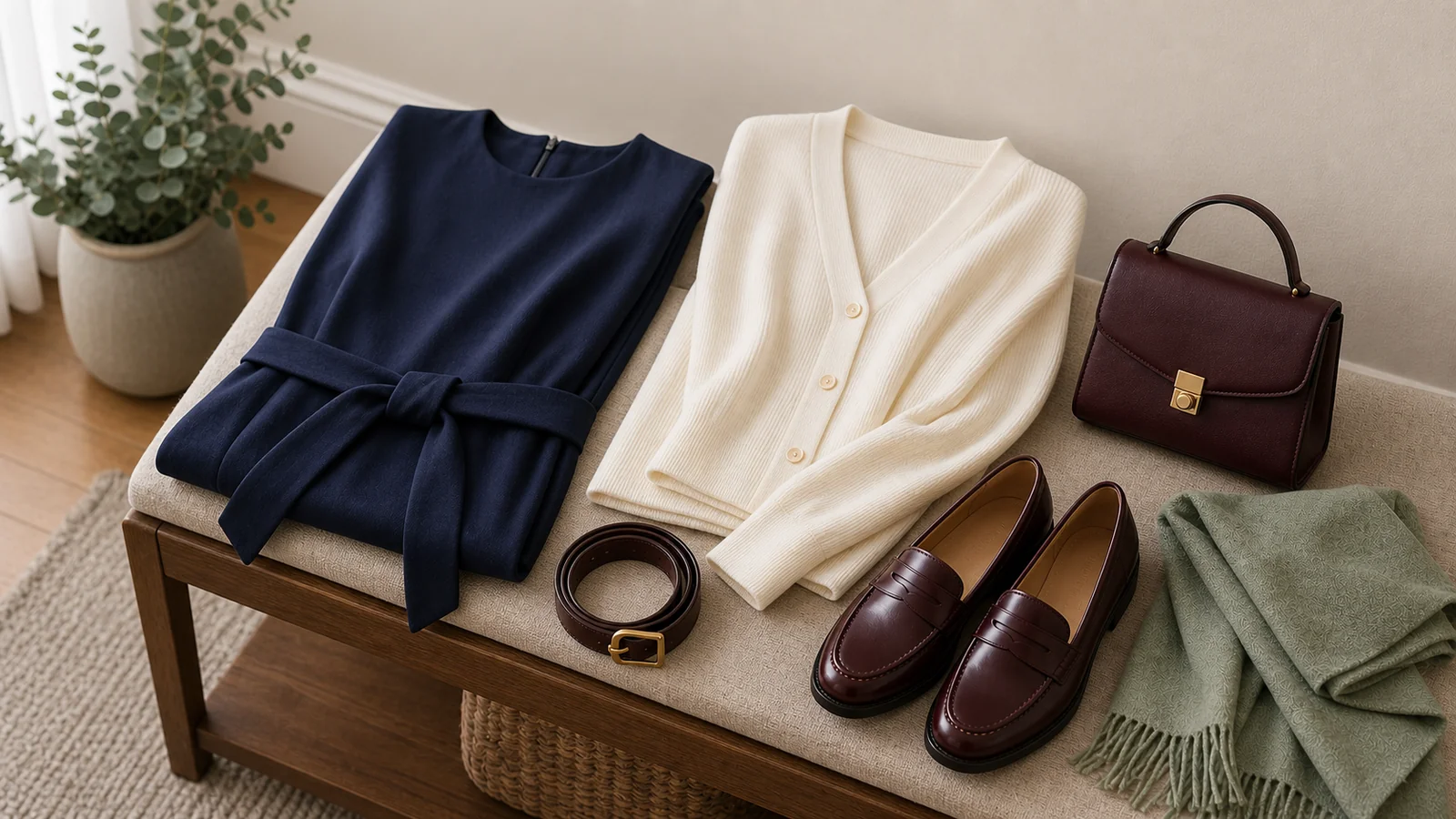
For a classic church outfit, wear a navy, black, or deep green midi dress with an ivory cardigan and loafers or low heels. The cardigan softens the outfit, while the shoe keeps it structured.
For a skirt outfit, try an A-line or pleated midi skirt with a tucked blouse, slim belt, and ballet flats. If the skirt has volume, keep the top cleaner. If the blouse is soft, use a more structured shoe.
For trousers, choose tailored wide-leg or straight trousers with a fine knit or blouse and loafers. This works well for people who prefer pants but still want a polished Sunday look.
For cooler weather, add a long wool coat, trench, or quilted jacket depending on the formality. Our quilted jacket outfit guide explains how padded layers can still look neat when the shoes and base layers are clean.
For warm weather, choose breathable fabrics, sleeves that do not pinch, and shoes that stay comfortable. A cotton dress, linen-blend skirt, or light cardigan can feel respectful without overheating.
Dresses and Skirts: Length, Shape, and Movement
Dresses are often the easiest choice because they create a complete outfit quickly. The best one is not always the dressiest one. It is the one that fits through the shoulders, sits comfortably, and works with the shoes you actually wear.
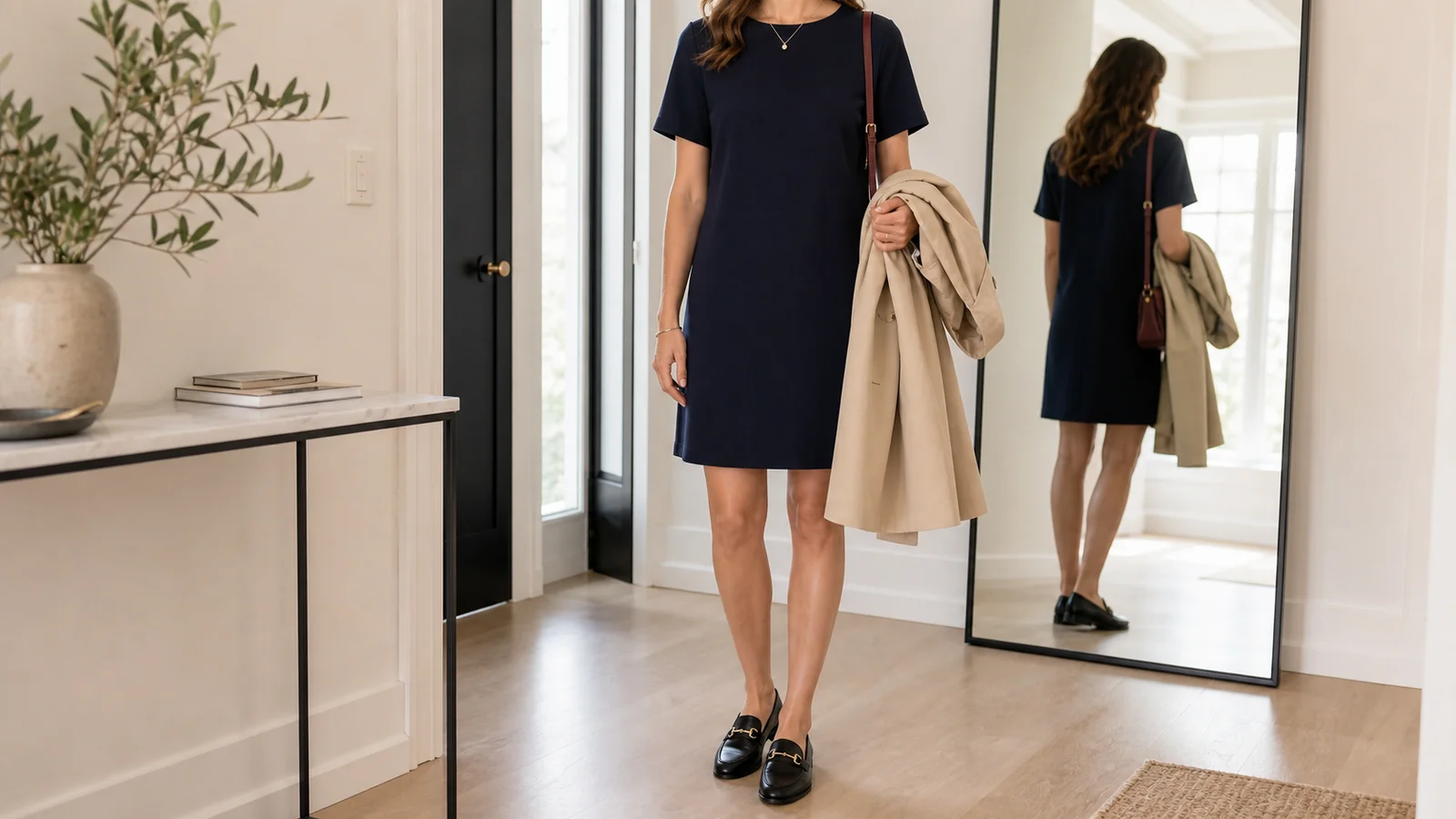
Midi dresses are especially useful because they balance coverage and movement. A-line, fit-and-flare, shirt dresses, knit dresses, and straight shift dresses can all work. If you like a simpler silhouette, our shift dress styling guide has more detail on using shoes and layers to keep a straight dress from looking plain.
Skirts need the same movement test. Sit, walk, climb stairs, and check the back view. A skirt that twists, rides up, or clings to tights will become annoying quickly.
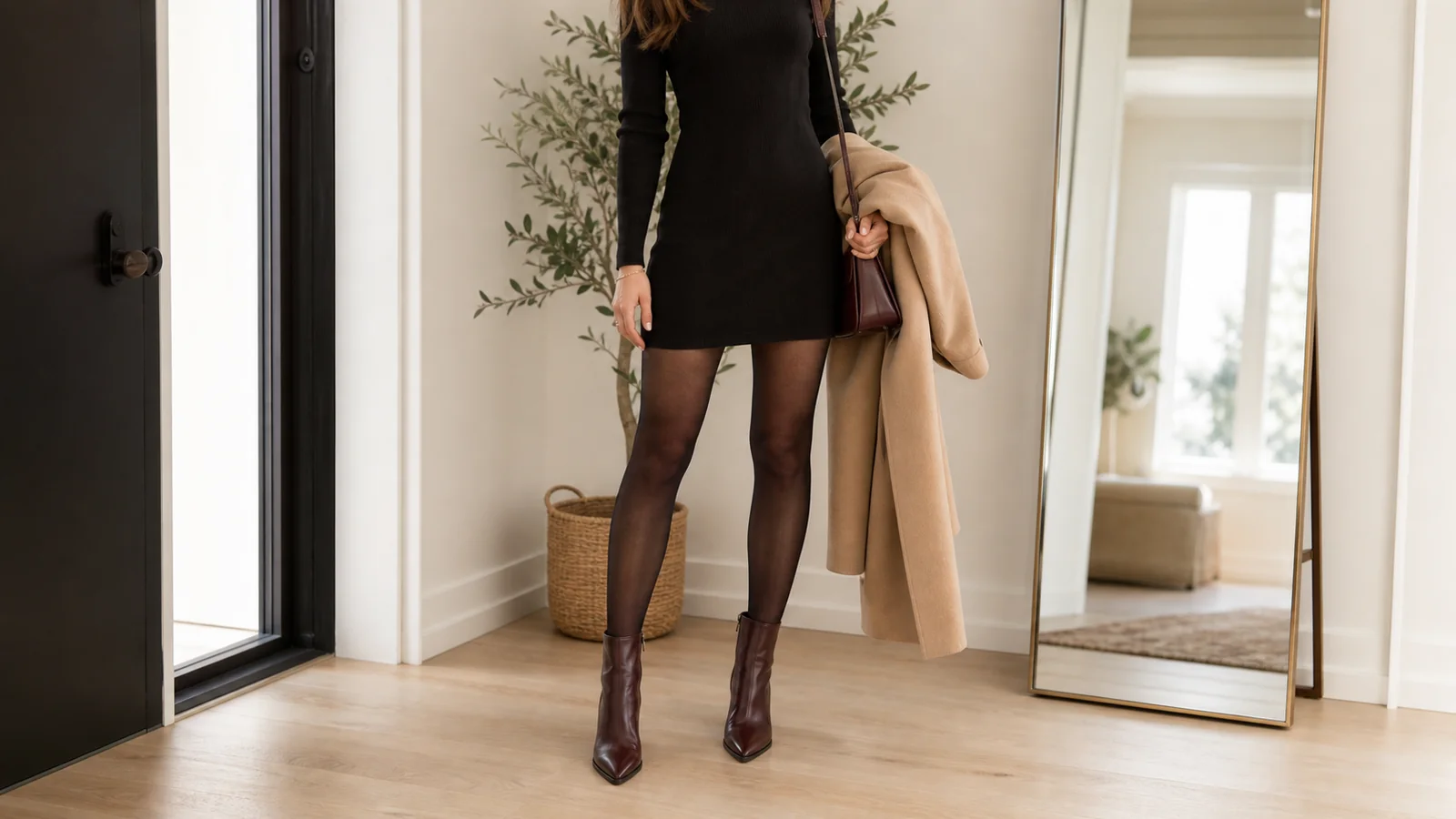
If you wear shorter dresses or skirts for casual plans, use the outfit context wisely. Tights, tall boots, a longer coat, or a higher neckline can change how covered the outfit feels. Our mini dress outfit guide explains how hem length, shoes, tights, and coats work together.
Fabric weight matters. Very thin jersey can cling. Very stiff fabric can look formal or uncomfortable. A medium-weight knit, cotton poplin, ponte, crepe, twill, or lined skirt often gives the best balance.
Tops, Layers, and Necklines
Tops are where modest outfits often become fussy. A blouse may look good standing still but gape at the buttons, slip at the shoulder, or require constant camisole adjustment. Try tops with the underlayers you plan to wear.
Crewnecks, soft boat necks, higher V-necks, collared shirts, and fine knits can all work. The best neckline is the one that stays put when you sit, bend, reach, and carry a bag.
Layers help, but they should feel intentional. A cardigan can add softness. A blazer adds polish. A denim jacket makes a dress casual. A trench gives a clean line over skirts and dresses. A cropped jacket can define the waist, while a longer coat adds coverage.
Avoid relying on one emergency layer to make every outfit work. If a dress only feels wearable with one exact cardigan, it may not be flexible enough for your closet.
Color also helps layers feel planned. Navy with ivory, black with sage, oxblood with denim, gray with cream, and soft brown with olive all look calm without becoming dull.
Shoes for Latter-day Saint Clothing
Shoes decide whether modest outfits feel polished, practical, youthful, traditional, or overly formal. They also decide whether you can stand and walk comfortably.
| Shoe style | Best use | Styling note |
|---|---|---|
| Loafers | Church, work, travel | Polished with dresses, skirts, and trousers |
| Ballet flats | Softer outfits | Best with visible hems and lighter fabrics |
| Low heels | Services or events | Choose stable shapes over difficult height |
| Ankle boots | Fall and winter | Works with midi skirts, tights, and dresses |
| Tall boots | Cold weather coverage | Good with skirts and sweater dresses |
| Clean sneakers | Casual days | Keep the rest of the outfit neat |
Loafers are the most flexible starting point. They give enough structure for church, but they still work with jeans, trousers, and weekday outfits.
Ballet flats soften dresses and skirts, especially in spring and summer. If the skirt is heavy or the dress is structured, a flat with a more substantial sole may look better than a very delicate one.
Sneakers can work for casual Latter-day Saint clothing, especially travel, youth activities, errands, or everyday outfits. Keep them clean and pair them with intentional clothes rather than gym pieces if the setting calls for polish.
Building a Small Capsule Wardrobe
A modest capsule wardrobe is useful because it removes decision fatigue. You are not trying to own every dress or skirt. You are trying to build repeatable outfits that match your life.
Start with a small base:
- One dark midi dress
- One lighter dress or skirt
- One polished cardigan
- One blazer or structured jacket
- One pair of tailored trousers
- One blouse that does not gape
- One fine knit
- One pair of loafers
- One pair of flats, boots, or low heels
Then build outfits across the week. The dark midi dress can work for church with loafers, dinner with a long coat, and travel with a cardigan. The tailored trousers can work with a blouse for Sunday, a knit for work, and a striped tee for errands.
Fabric should match your routine. If you dislike ironing, avoid pieces that wrinkle heavily before you reach the door. If you run warm, be careful with heavy polyester or lined synthetic dresses. Our polyester clothing guide explains how to judge synthetic garments by feel, drape, shine, and care rather than by fiber name alone.
Dressing for Events, Travel, and Weather
Special events can make modest dressing feel harder because you may need more polish without losing comfort. For weddings, family gatherings, devotionals, graduations, or dinners, choose one refined detail rather than many loud ones. A satin skirt, textured jacket, low heel, pearl earring, or structured bag can be enough.
For travel, prioritize clothes that sit well and layer easily. A knit midi dress, long cardigan, clean sneakers or loafers, and a packable coat can handle long days. Avoid outfits that depend on constant steaming or special underlayers.
For cold weather, use tights, boots, coats, and base layers rather than one bulky sweater that changes the whole outfit. A fine turtleneck under a sleeveless dress may work if the dress has enough room. A long coat can make a simple outfit feel more covered and intentional.
For hot weather, look for breathable cuts, not just lighter colors. Airflow at the sleeve, skirt, and neckline matters. Cotton, linen blends, lighter knits, and lined but breathable dresses are often easier than clingy synthetics.
Common Mistakes to Avoid
The first mistake is buying only for the dress code and ignoring your real life. If a dress is technically appropriate but uncomfortable, you will not reach for it.
The second mistake is choosing layers that fight the outfit. A bulky cardigan over a full skirt can feel heavy. A cropped jacket over low-rise trousers can feel awkward. Check the whole silhouette, not just each piece.
The third mistake is treating modest clothing as automatically plain. Texture, color, belt shape, shoe polish, fabric weight, and a structured bag can make a covered outfit feel current and personal.
The fourth mistake is skipping movement checks. Sit, walk, bend slightly, and reach. If you keep adjusting the hem, neckline, sleeves, or waistband, the outfit may need a different base.
Finally, avoid making sacred clothing part of fashion content. Temple clothing and garments belong to religious practice, not outfit styling. Keep ordinary wardrobe advice separate from sacred meaning.
FAQ
What should I wear to a Latter-day Saint church service?
Many members choose neat, modest clothing such as dresses, skirts, trousers, blouses, sweaters, jackets, loafers, flats, or low heels. A respectful outfit that stays comfortable while sitting and standing is a good starting point.
Can Latter-day Saint clothing include pants?
Yes, ordinary wardrobe choices vary by person, setting, culture, and occasion. Tailored trousers with a blouse, knit, blazer, or cardigan can feel polished and modest for many daily or church-adjacent settings.
How do I make modest outfits look current?
Use modern proportions, clean shoes, good fabric weight, and intentional color. A midi dress with loafers, a structured bag, and a cardigan can feel current without relying on revealing cuts.
What shoes work best with modest dresses?
Loafers, ballet flats, ankle boots, tall boots, low heels, and clean sneakers can all work. Choose the shoe based on the dress length, fabric, weather, and setting.
The Bottom Line
Latter-day Saint clothing works best when ordinary wardrobe choices feel respectful, comfortable, and realistic. Build around modest pieces that move well, add layers that feel intentional, and choose shoes that support the setting. A small closet of dresses, skirts, trousers, cardigans, jackets, and polished shoes can cover church, daily life, travel, and events without making dressing feel complicated.
You might also like
Clothing Shift Dress Styling Guide
Style a shift dress with the right shoes, layers, length, and accessories so the straight shape looks intentional.
Clothing Mini Dress Outfit Guide
Style a mini dress with the right shoes, tights, layers, and proportions for daytime, dinner, travel, and cool weather.
White Heel Shoes Outfit Guide
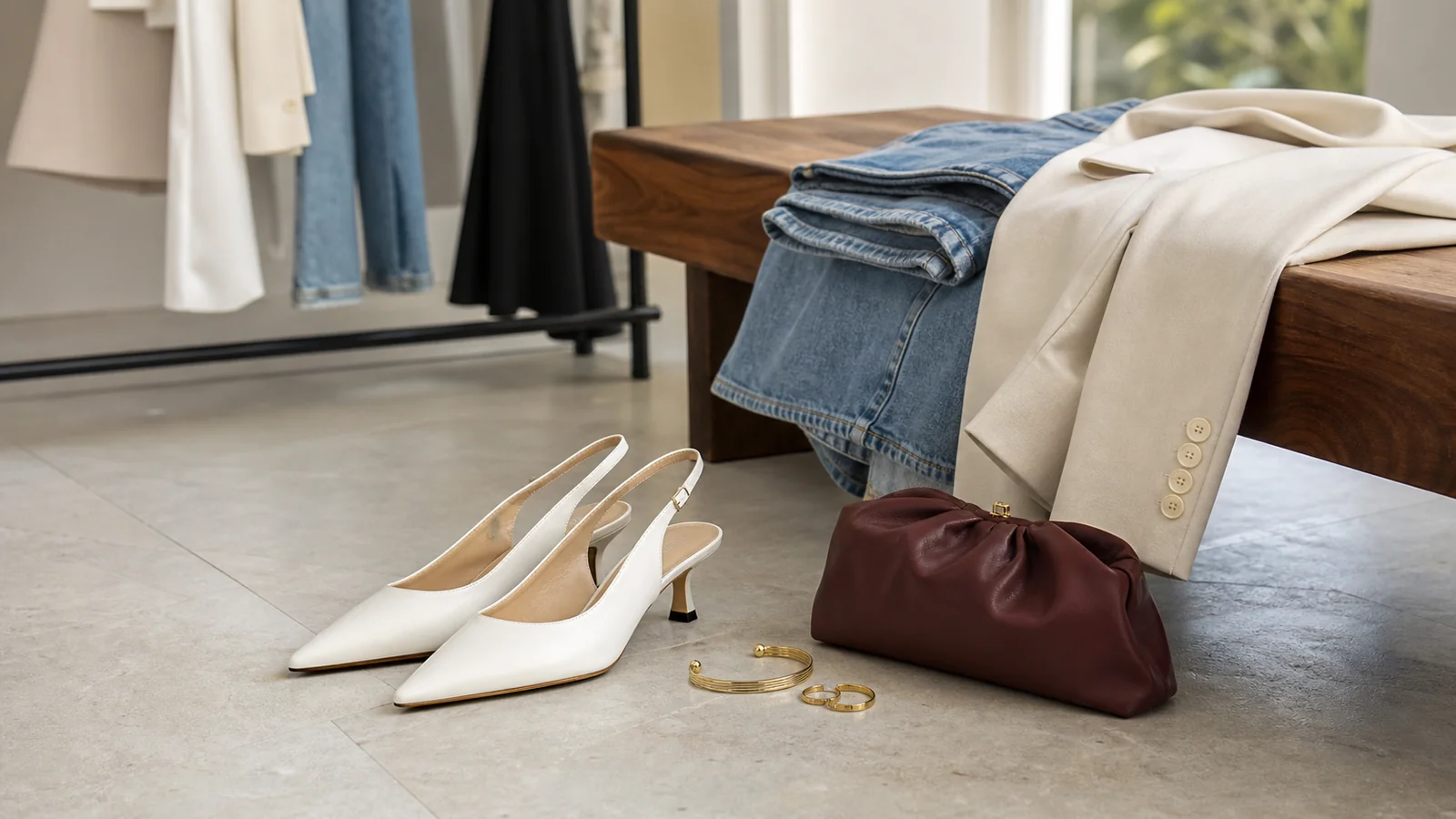
Style white heel shoes with denim, dresses, tailoring, color, and seasonal outfits without looking too bridal.