How to Remove Paint From Clothes Without Ruining Them
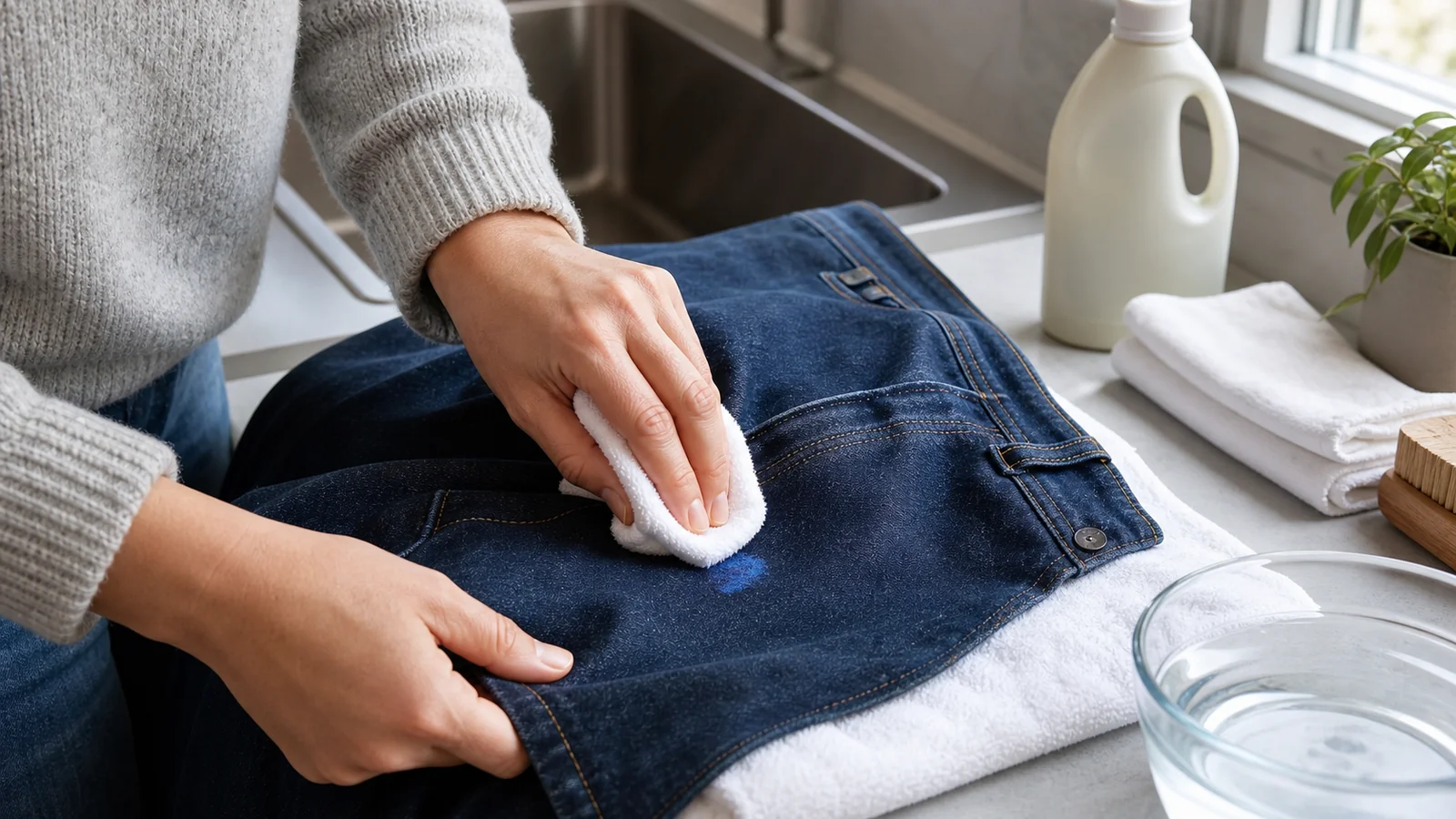
First, Figure Out What Kind of Paint It Is
Paint stains are easier to handle when you know what landed on the fabric. Water-based paint, including many latex wall paints, acrylic craft paints, and washable poster paints, usually responds to water, detergent, and patient rinsing. Oil-based paint needs more caution because it may require the solvent listed on the paint can.
Before you start, check the garment care label. A cotton tee, denim shirt, or canvas apron can take more handling than silk, wool, rayon, cashmere, or structured tailoring. If the item is dry-clean-only, delicate, lined, embellished, or expensive enough that you would be upset to lose it, blot away what you can and take it to a cleaner.
Do not put the stained item in the dryer until the paint is gone. Heat can set both color and binder into the fibers, which makes the mark much harder to remove. If you already washed the item and the stain is still visible, air dry it while you decide whether to treat it again.
What To Do While the Paint Is Still Wet
Fresh paint gives you the best chance of saving the clothes. The goal is to lift excess paint without spreading it into a larger stain.
Use the edge of a spoon, dull knife, or old card to lift thick paint from the fabric. Work from the outside of the stain toward the center. Do not scrub the top of the stain yet. Rubbing can push paint deeper into knit loops, seams, denim twill, or ribbed cuffs.
Hold the back of the stain under running water if the paint is water-based. Flushing from the reverse side helps push paint out the way it came in instead of driving it farther through the garment. Use warm water for sturdy washable fabrics unless the care label says otherwise.
Blot with a clean white cloth or paper towel. Avoid colored towels, which can bleed dye onto a damp garment. Once the loose paint stops lifting, move to a detergent treatment.
How to Remove Water-Based Paint From Clothes
For latex, acrylic, poster paint, and many craft paints, start with detergent and water.
Mix a small amount of liquid laundry detergent or mild dish soap with warm water. Dab the mixture into the stain from the back and front, then blot. Rinse and repeat. Paint may lift slowly, so expect a few rounds instead of one dramatic wipe.
If the fabric can handle light brushing, use a soft toothbrush on sturdy cotton, denim, canvas, or sweatshirt fleece. Keep the motion gentle and controlled. Hard scrubbing can roughen fabric and leave a faded patch even if the paint comes out.
When the stain is mostly gone, apply a laundry stain remover if you use one, then wash according to the care label. Check the stained area before drying. If you still see color, repeat the treatment and wash again.
For a stubborn water-based stain on a sturdy washable fabric, a small amount of rubbing alcohol may help soften dried acrylic or latex residue. Test it first on an inside seam. Blot, rinse thoroughly, then wash. Do not use alcohol near heat or flame, and do not put a solvent-treated garment in the dryer until it has been fully rinsed and washed.
What Changes When the Paint Has Dried
Dried paint is harder because the film has already formed. You can still try to remove it, but you need to work in layers.
Start by scraping the surface gently with a dull knife, spoon edge, or soft brush. The goal is to break up paint sitting on top of the fabric, not shave the fabric itself. Stretching the stained area over a bowl or towel can help you see the edge of the paint.
For dried water-based paint, soak the spot with warm soapy water for several minutes, then blot and brush gently. Repeat this cycle before washing. If the paint softens, keep going slowly. If the fabric starts to fuzz, stop and switch to blotting.
Thick dried paint may leave a shadow even after the raised layer is gone. Decide whether the garment is worth more aggressive treatment. A painting-day tee can handle more effort than black trousers you wear to dinner.
If a stain has gone through a hot dryer, be realistic. You may improve it, but it may not disappear completely. Treat once or twice, then decide whether to wear the piece for errands, keep it for projects, or let it go.
How to Handle Oil-Based Paint Safely
Oil-based paint needs the most care. First, read the paint can, if you still have it. The label often names the recommended thinner or cleanup solvent. That is safer than guessing.
Place the stained area face down on a thick stack of clean white paper towels or rags. Working from the back, dab the stain with the recommended solvent using a clean cloth. Move to a fresh part of the towel as paint transfers. Keep the area ventilated, wear gloves if needed, and follow the solvent label.
Never mix cleaning chemicals. Do not combine solvents with bleach, ammonia, or other stain treatments. Keep solvents away from open flame, candles, cigarettes, hot appliances, and dryers.
After solvent treatment, rinse the area well. Apply dish soap or laundry detergent to help remove oily residue, then wash according to the garment label. Check before drying. If the item still smells strongly of solvent, wash again and air dry.
For silk, wool, leather, suede, acetate, embellished pieces, and structured jackets, skip home solvent work. A professional cleaner has better tools for controlling damage and residue.
Fabric Checks Before You Scrub
Different clothes react differently to the same stain treatment.
| Fabric or garment | Best first move | What to avoid |
|---|---|---|
| Cotton tees | Flush, detergent, repeat | Hot dryer before stain is gone |
| Denim | Scrape, rinse, soft brush | Bleaching dark denim by over-scrubbing |
| Sweatshirts | Detergent soak, gentle brush | Rough brushing that pills fleece |
| Performance fabrics | Blot, detergent, cool wash | Heat that locks in stains or odors |
| Wool or cashmere | Blot and seek professional care | Alcohol, hard brushing, soaking |
| Tailored jackets | Blot excess only | Saturating linings or shoulder structure |
If you are unsure, test any treatment inside a hem or seam allowance. Wait a few minutes and check for color lift, texture change, shine, or water rings.
This matters most with clothes you use in polished outfits. A paint mark on a white cotton tee is one problem. A rubbed pale patch on black trousers is another. Sometimes the stain is removable, but the treatment damage is what ruins the garment.
For soft knits, use the same gentle mindset you would use for sweater care. Our cashmere sweater guide explains why friction, heat, and hanging can change a delicate fabric even when you are trying to help it.
When to Wash, Rewash, or Stop
Wash the garment only after you have lifted as much paint as possible by hand. The washer can remove loosened residue, but it is not the best place to break up a thick paint spot.
Use the care label to choose water temperature and cycle. For sturdy washable clothes, warm water may help water-based paint release. For dark clothes, delicate fabrics, or anything prone to shrinkage, follow the label instead of forcing heat.
After washing, inspect the item in daylight. Paint shadows can hide under bathroom light and show up later when you style the outfit. If the mark remains, treat and wash once more before drying.
The same no-dryer rule applies to many stains, not just paint. In our guide to removing red wine from clothes, the early steps also focus on blotting, rinsing, and checking before heat gets involved.
Stop when the fabric starts to suffer. If the area is thinning, pilling, fading, or looking shiny, more treatment may make the garment less wearable than the stain did.
How to Dress for Paint Projects Next Time
The easiest paint stain to remove is the one that never reaches your good clothes. Before painting a room, touching up furniture, or helping with a craft project, choose clothes that can become project clothes if needed.
Wear smooth, washable fabrics instead of fuzzy knits. Tie back long sleeves or choose a short-sleeve tee under a washable overshirt. Avoid wide cuffs, trailing hems, and textured sweaters that catch wet paint before you notice.
Keep a small stain setup nearby: paper towels, a dull scraper, mild dish soap, laundry detergent, and a clean white cloth. If you have to walk through the house to find supplies, the paint has more time to dry.
For shoes, choose a pair that can handle a drip or wear old sneakers. Paint on suede, satin, mesh, or pale leather can be harder to fix than paint on a cotton tee. If your outfit matters after the project, change before you open the can.
FAQ
Can dried paint come out of clothes?
Sometimes. Dried water-based paint may soften with warm soapy water, gentle scraping, and repeated blotting. Dried oil-based paint is harder and may need the solvent named on the paint label.
Does rubbing alcohol remove paint from clothes?
Rubbing alcohol can help with some dried latex or acrylic paint on sturdy washable fabrics. Test first, rinse well, and keep it away from heat or flame.
Should I use hot water on paint stains?
Use the garment care label as your rule. Warm water can help many water-based paint stains, but heat can damage delicate fabrics, dark dyes, elastic, and shrink-prone clothes.
Can I put paint-stained clothes in the dryer?
Wait until the stain is gone. Dryer heat can set paint into the fibers and make the mark much harder to remove.
The Bottom Line
To remove paint from clothes, identify the paint type, lift excess paint gently, treat from the back of the stain when you can, and keep the item out of the dryer until the mark is gone. Water-based paint usually responds to detergent, rinsing, and patience. Oil-based paint needs label-guided solvent care or a professional cleaner. The more you protect the fabric while you treat the stain, the better chance the garment has of returning to your regular closet.
You might also like
How to Remove Dog Hair From Clothes
Use lint tools, damp hands, dryer tricks, and fabric-safe laundry habits to keep dog hair off clothes before you head out.
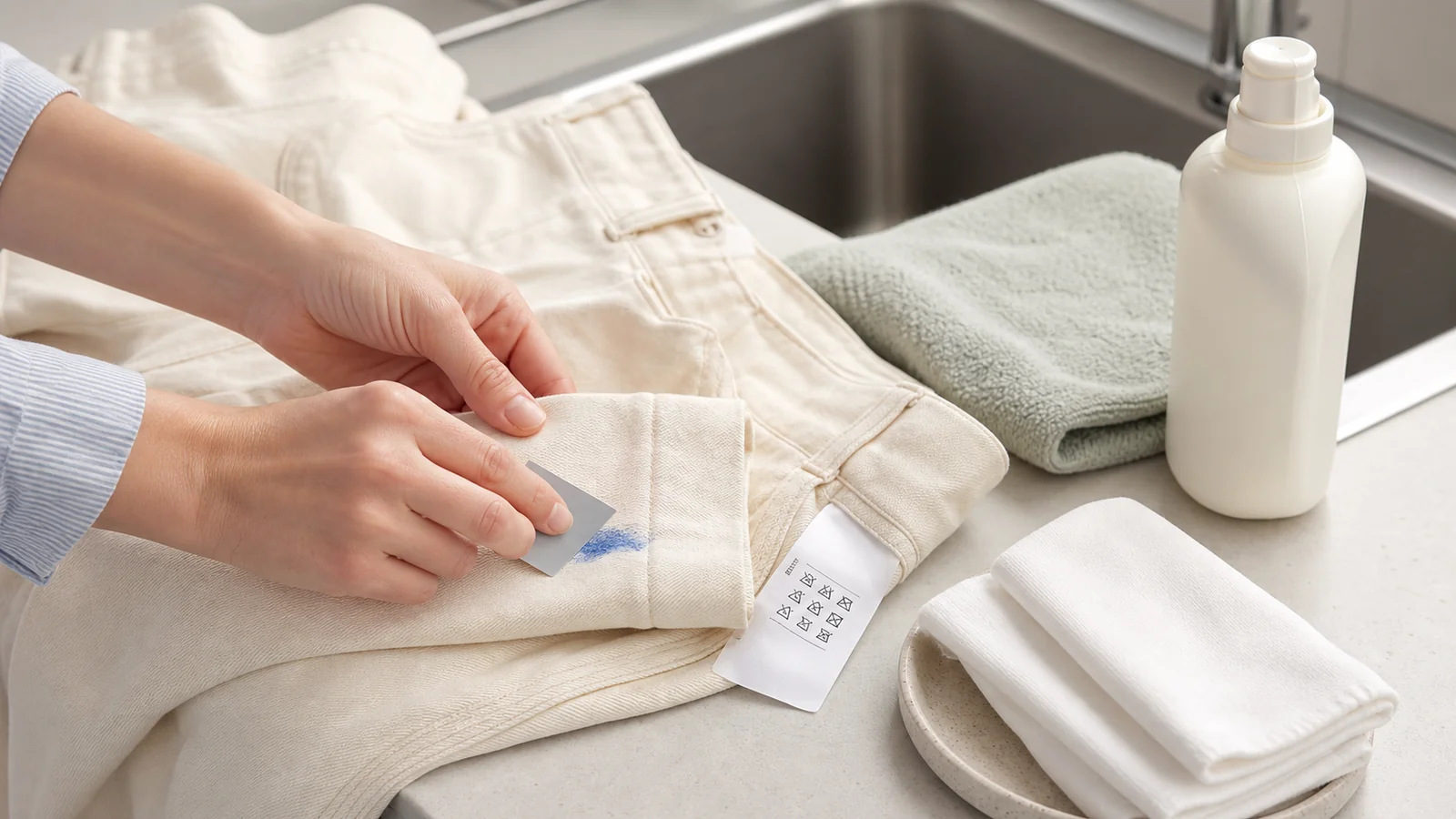
How to Get Paint Out of Clothes by Paint Type
Treat fresh, dried, water-based, and oil-based paint stains while protecting the fabric, color, and fit.
How to Remove Red Wine From Clothes
Blot, rinse, and treat red wine stains without setting them, with fabric-aware steps for clothes you still want to wear.