How to Get Paint Out of Clothes by Paint Type
Start With the Paint Type and the Fabric
If you need to know how to get paint out of clothes, the first question is not which cleaner to grab. It is what kind of paint hit the garment, and what kind of fabric you are trying to save.
Water-based paint, including many latex wall paints, acrylic craft paints, poster paints, and washable children’s paints, usually responds to water, detergent, soaking, and patience. Oil-based paint is more difficult because it often needs the thinner or solvent named on the paint can. That can save the stain, but it can also damage color, trims, elastic, and delicate fibers if you guess.
Then check the care label. A cotton tee, denim jacket, canvas chore coat, or sweatshirt can usually handle more work than silk, wool, cashmere, rayon, acetate, suede, leather, lace, beading, or structured tailoring. If the piece is dry-clean-only or expensive enough that you would be upset to ruin it, blot off excess paint and take it to a cleaner.
Most important: keep the garment out of the dryer until the paint is gone. Heat can set the stain and make a fix much harder.
What to Do in the First Five Minutes
Fresh paint is the easiest stage to treat. Move quickly, but do not panic-scrub. Scrubbing spreads paint and pushes it deeper into knit loops, denim twill, seams, and ribbed cuffs.
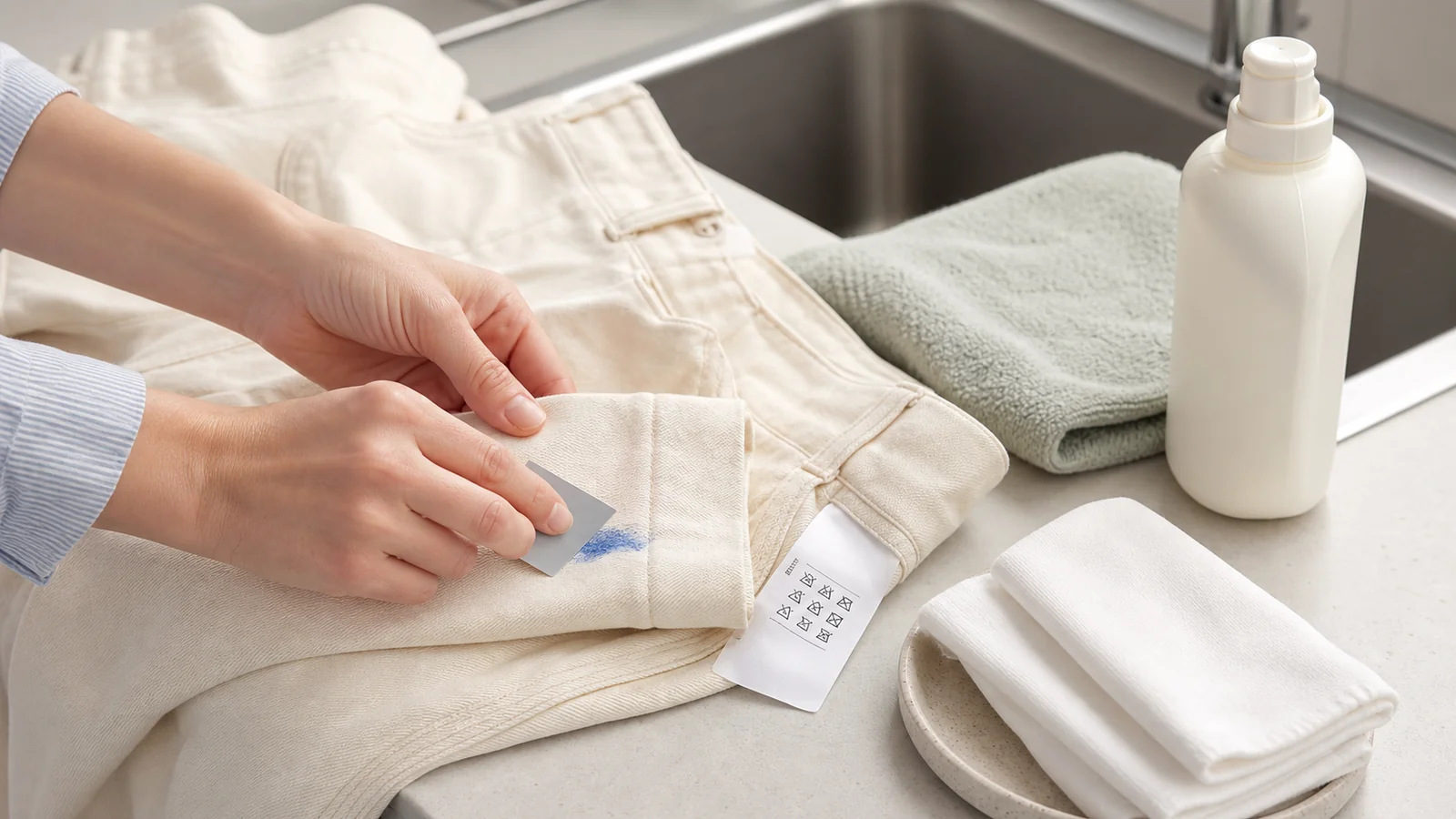
Lift thick paint first. Use a spoon edge, dull knife, old card, or clean scraper to remove the excess. Work from the outside of the stain toward the center so the mark does not grow.
Blot next. Use a clean white cloth or paper towel. Colored towels can transfer dye when the fabric is wet, and printed napkins can leave lint or ink.
If the paint is water-based, flush the stain from the back with running water. This pushes paint out of the fabric instead of driving it through the front. Use the warmest water the care label allows, but do not force hot water on dark, delicate, stretchy, or shrink-prone clothes.
If the paint is oil-based, do not start with a random household cleaner. Check the paint can for cleanup instructions. If the label names mineral spirits, turpentine, or another thinner, that is the starting point for a washable sturdy fabric. If you do not have the can or the garment is delicate, professional cleaning is the safer move.
How to Treat Fresh Water-Based Paint
Fresh water-based paint needs a repeated rinse, detergent, and blot cycle. It may look boring, but it is often the least damaging method.
Turn the stained area inside out if possible. Rinse from the back of the stain with warm water. Keep the water moving through the fabric until the loose color slows down.
Mix a small amount of liquid laundry detergent or mild dish soap with warm water. Dab that mixture into the stain with a clean cloth. Blot, rinse, and repeat. For sturdy fabrics, you can use a soft toothbrush, but keep the motion gentle. The goal is to loosen paint, not sand the fabric.
Once the stain is faint, apply a laundry stain remover if you normally use one and wash the garment according to the care label. Check the spot in daylight before drying. If color remains, treat it again and wash once more.
This is the same patient mindset we use for other wardrobe stains. Our guide to removing red wine from clothes also starts with blotting, cool judgment, and checking before heat.
How to Work on Dried Paint
Dried paint takes longer because the paint film has already hardened. You may be able to improve or remove it, but you need to work in thin layers.
Start by scraping the surface gently with a dull edge. Hold the fabric flat and stop if the fibers start to fuzz, shine, or thin. A raised paint crust is worth removing; damaged fabric is not.
For dried water-based paint, soak the stained area with warm soapy water for several minutes. Blot, scrape lightly, rinse, and repeat. A small amount of rubbing alcohol can help soften some acrylic or latex residue on sturdy washable fabrics, but test it first inside a seam. Rinse thoroughly afterward.
Do not pour alcohol or solvent onto delicate pieces, dark dyes, coated fabrics, performance finishes, or anything with embellishment. A cleaning method can remove paint and still leave a faded patch, water ring, or shiny rubbed spot.
If the garment has already gone through a hot dryer, be realistic. You may still fade the mark, but the heat may have set the binder into the fibers. Treat it once or twice, then decide whether the item can become a project shirt, lounge piece, or donation textile instead of sacrificing more time and fabric.
How to Handle Oil-Based Paint
Oil-based paint is where caution matters most. It often needs a stronger solvent, and solvents bring their own risks.
First, read the paint can if you have it. Use the cleaner recommended by that label rather than guessing. Work in a ventilated area, protect your hands if the solvent label recommends gloves, and keep the garment away from candles, cigarettes, stoves, space heaters, and dryers.
Place the stained area face down on clean white paper towels or rags. Dab the back of the stain with the recommended solvent using a clean cloth. Move to a fresh towel area as paint transfers. This keeps lifted paint from sitting under the garment and staining a new spot.
After solvent treatment, rinse the area well. Work in a small amount of dish soap or liquid laundry detergent to break up oily residue, then wash according to the care label. Air-dry and inspect. If the piece still smells like solvent, wash again and air-dry again.
Never put a solvent-treated garment straight into the dryer. Flammable residue and heat are a bad pairing, and heat can also lock in the last shadow of the stain.
Match the Method to the Garment
The stain treatment should fit the clothing, not just the paint.
| Garment or fabric | Better first move | Be careful with |
|---|---|---|
| Cotton tees | Rinse, detergent, repeat | Dryer heat before the stain is gone |
| Denim | Scrape, flush, gentle brushing | Pale rubbed patches on dark washes |
| Sweatshirts | Soapy soak and blotting | Rough brushing that pills fleece |
| Polyester blends | Detergent and careful rinsing | Heat, shine, and trapped oily residue |
| Wool or cashmere | Blot excess and seek cleaner help | Alcohol, soaking, and hard rubbing |
| Tailored jackets | Blot only and get professional care | Saturating linings or shoulder structure |
Polyester, in particular, can be tricky because the fiber may hold oily marks and some finishes react badly to heat. If you are judging whether a stained synthetic piece is worth saving, our polyester clothing guide explains how fabric weight, shine, drape, and care affect real wardrobe value.
For delicate knits, avoid treating the stain like a kitchen counter. Wool and cashmere can stretch, felt, pill, or lose softness under friction. The same caution applies to sweater care in our cashmere sweater guide.
Wash, Inspect, and Know When to Stop
After hand treatment, wash the garment only when the loose paint has lifted as much as possible. A washer can remove loosened residue, but it is not the best tool for breaking up a thick paint blob.
Use the care label for water temperature and cycle. Warm water can help many water-based paint stains on sturdy washable fabrics, but cold or cool water may be better for dark colors, elastic, delicate blends, and shrink-prone clothes.
Inspect the stain before drying. Look in bright natural light if you can. Paint shadows can hide under warm bathroom bulbs and reappear when you style the piece later.
If the stain remains, treat and wash once more. If the stain is lighter, you may repeat. If the fabric is fading, thinning, pilling, or turning shiny, stop. A small pale paint shadow may be less noticeable than a rough damaged patch.
Also ask whether the garment still belongs in your real wardrobe. A paint mark on gardening jeans may not matter. A paint mark on black trousers you wear with loafers and a blazer probably does.
Dress Smarter for the Next Paint Project
The easiest way to get paint out of clothes is to keep paint away from your good clothes in the first place. Before painting walls, furniture, shelves, frames, or craft projects, choose clothes that can survive a stain.
Wear old cotton, denim, canvas, or washable layers. Avoid open knits, fuzzy sweaters, satin, suede, pale leather, wide sleeves, and long hems that brush against wet surfaces. Tie back cuffs or choose short sleeves under a washable overshirt.
Set up a small stain kit before you open the paint: paper towels, clean white cloths, a dull scraper, dish soap, laundry detergent, and the paint can label. If you need to walk through the house to find supplies, the paint gets more time to dry.
Shoes count too. Old sneakers or washable clogs are better than suede flats, mesh trainers, or polished leather shoes. Paint on shoes is often harder to fix than paint on a tee.
FAQ
Can you get dried paint out of clothes?
Sometimes. Dried water-based paint may soften with warm soapy water, gentle scraping, and repeated blotting. Oil-based dried paint is harder and may need the solvent recommended on the paint label.
What removes acrylic paint from clothes?
For fresh acrylic paint, rinse from the back, then use liquid detergent or mild dish soap with warm water. For dried acrylic on sturdy washable fabric, rubbing alcohol may help after a hidden spot test.
Should I use hot water to get paint out of clothes?
Use the care label as your rule. Warm water can help many washable water-based stains, but hot water can damage delicate fabric, dark color, stretch, and shrink-prone garments.
Can paint-stained clothes go in the dryer?
Wait until the stain is gone. Dryer heat can set paint into the fibers. Solvent-treated clothes also need thorough rinsing, washing, and air-drying before any heat is considered.
The Bottom Line
To get paint out of clothes, act quickly, identify the paint type, protect the fabric, and keep the garment away from dryer heat until the mark is gone. Water-based paint usually needs rinsing, detergent, and repetition. Oil-based paint needs label-guided solvent care or a professional cleaner. The best result is not only a cleaner stain. It is a garment that still looks and feels wearable after the treatment.
You might also like
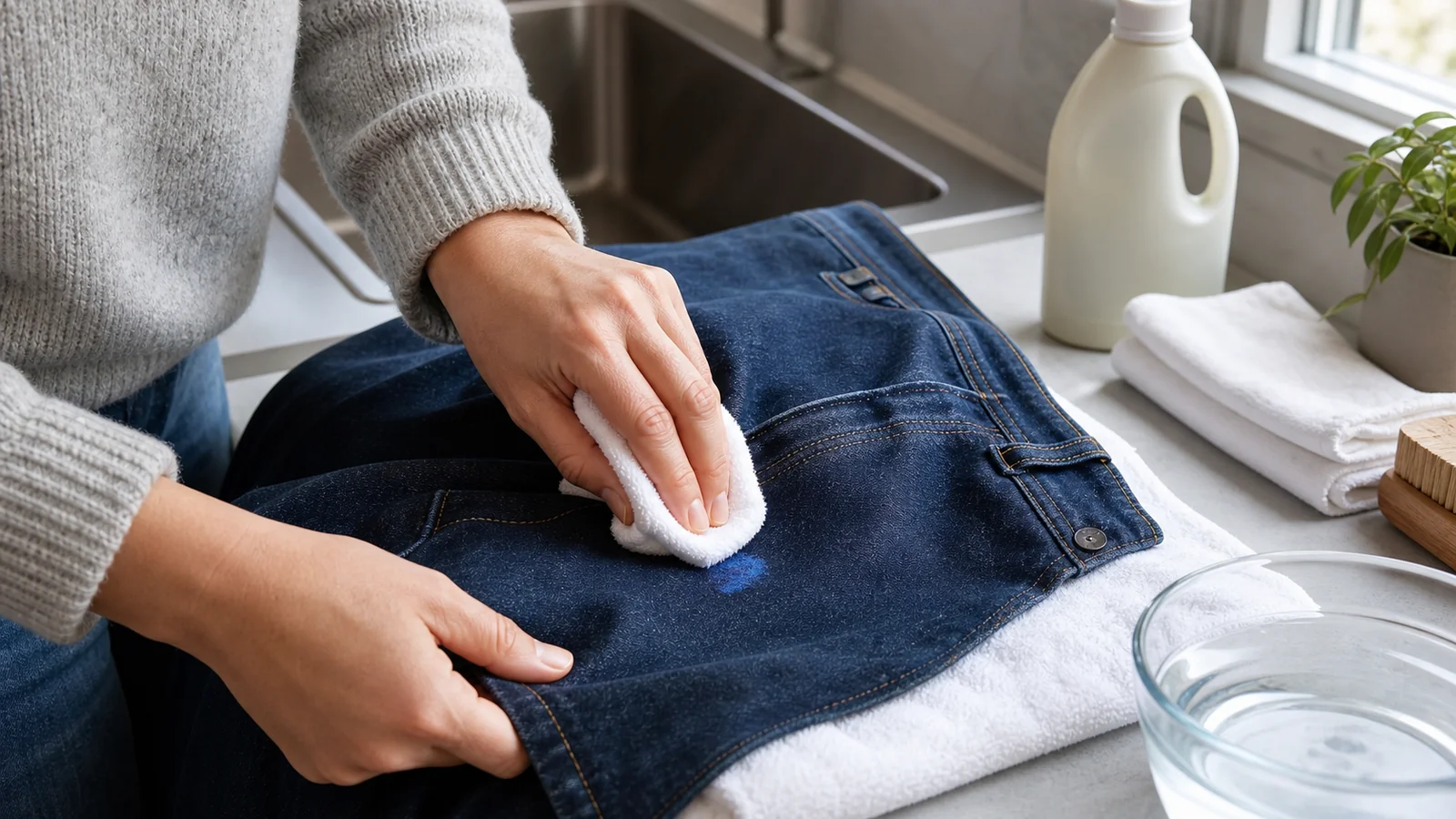
How to Remove Paint From Clothes Without Ruining Them
Learn how to remove paint from clothes by paint type, fabric, and stain stage before the dryer sets the mark.
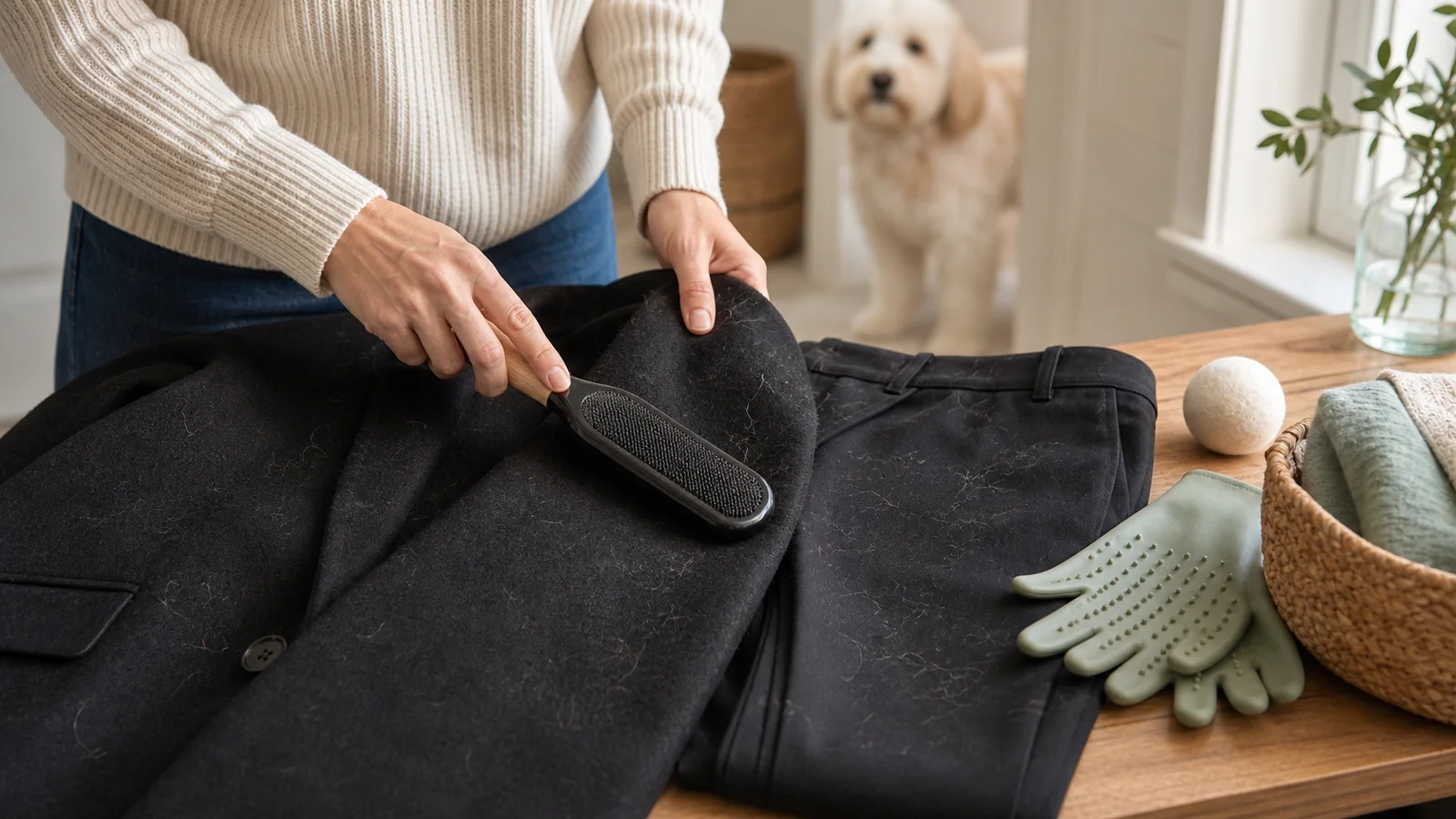
How to Remove Dog Hair From Clothes
Use lint tools, damp hands, dryer tricks, and fabric-safe laundry habits to keep dog hair off clothes before you head out.
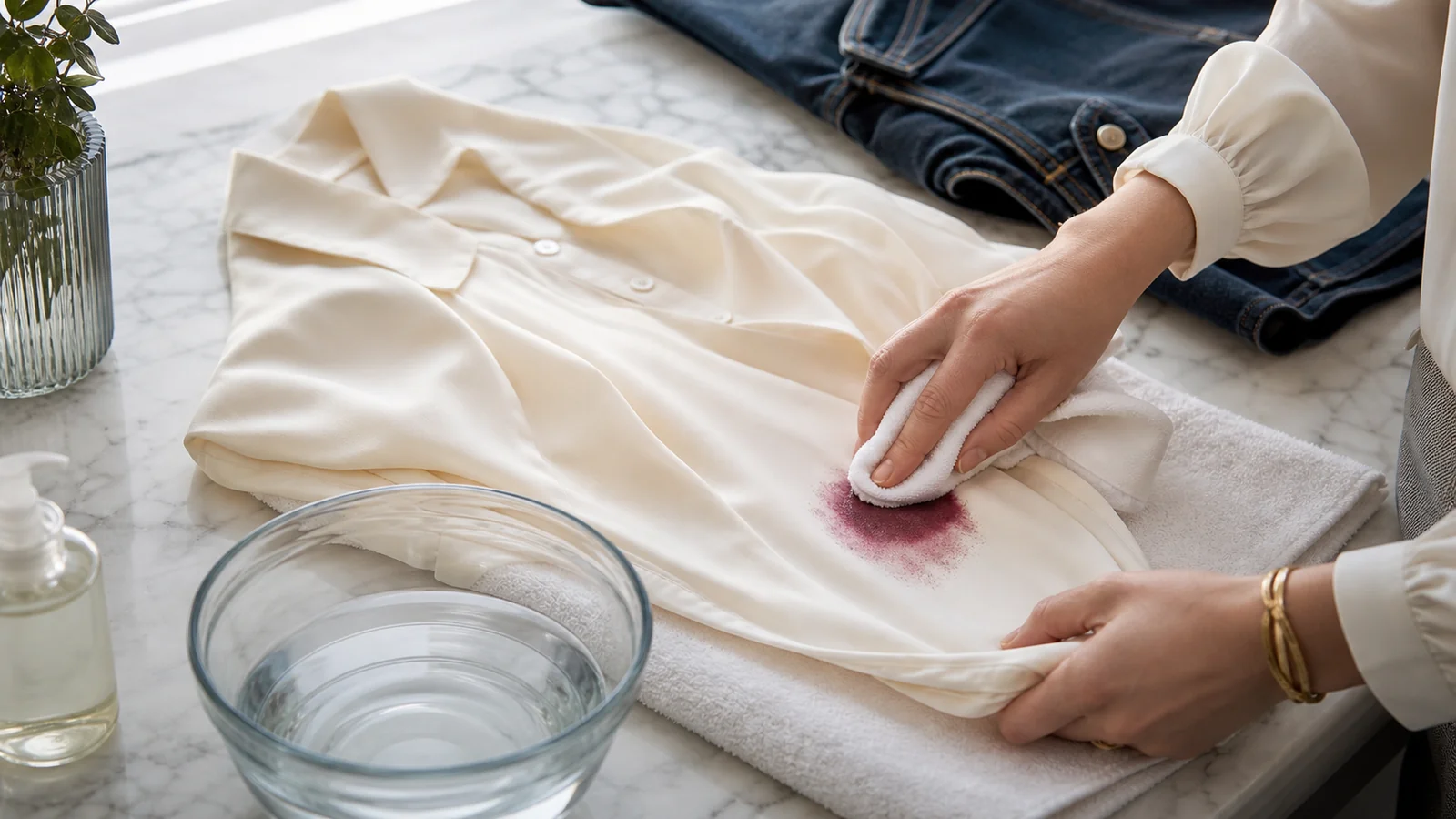
How to Remove Red Wine From Clothes
Blot, rinse, and treat red wine stains without setting them, with fabric-aware steps for clothes you still want to wear.