Bowling Shoes: Fit, Slide, and Outfit Guide
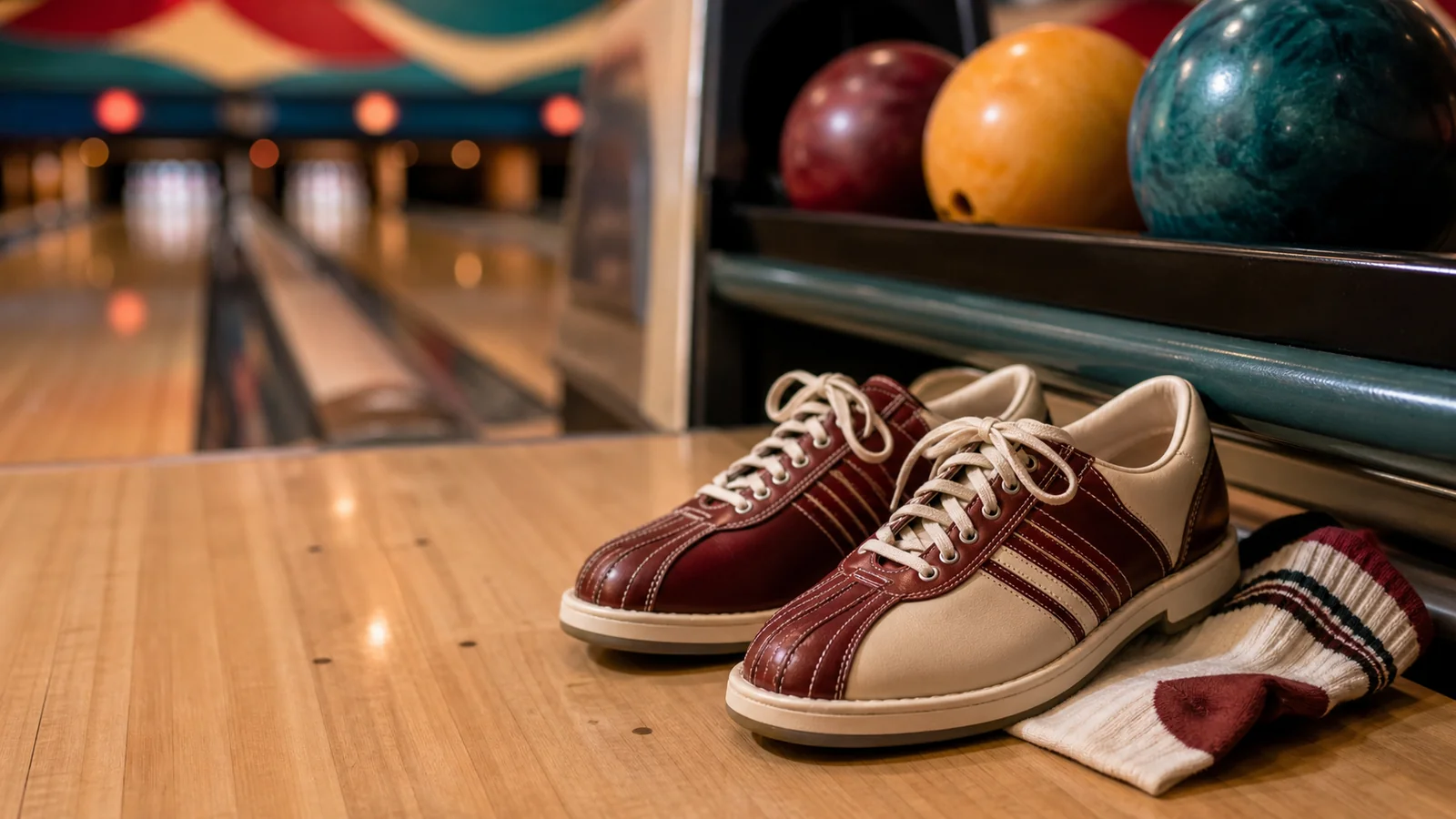
Bowling Shoes Are Built for the Approach
Bowling shoes look simple until you step onto the approach. Their job is not just to protect the lane. They help one foot slide and the other foot stay stable so your throw can finish smoothly.
If you are bowling casually with friends, rental shoes may be fine. If you bowl often, join a league, or hate the uncertainty of rental fit, your own pair can make the night feel cleaner and more predictable. Either way, the shoe choice affects comfort, movement, socks, and the outfit you wear around it.
This guide explains what bowling shoes do, when rentals are enough, when buying makes sense, and how to dress for a bowling plan without fighting the shoes.
Why Bowling Shoes Are Different
Regular sneakers are designed for grip. Bowling shoes are designed for controlled movement on a smooth approach. Most bowling shoes use special soles so the bowler can slide into the release without sticking suddenly.
The exact design depends on the shoe. Rental shoes often have sliding soles on both feet so they can work for left-handed and right-handed bowlers. Performance bowling shoes may have a sliding sole on one foot and more traction or braking support on the other. Some higher-end pairs use interchangeable soles or heels.
That difference matters because the sport includes a short approach, a plant, a slide, and a release. If the shoe sticks too much, your timing can feel jerky. If it slides too much, you can feel unstable.
For a casual night, you do not need to overthink shoe engineering. You do need shoes that fit, slide predictably, and feel secure enough that you are not distracted before every throw.
Rental Bowling Shoes: What to Check
Rental bowling shoes are practical for occasional bowling. They are usually included with or added to lane costs, and they save you from buying a specialty pair for one night.
Before you accept the first pair, check the basics:
- The size feels close to your everyday shoe size.
- Your heel does not lift dramatically.
- Your toes are not pressed into the front.
- The upper is not cracked, sticky, or uncomfortable.
- The soles look clean enough to slide smoothly.
- The pair feels balanced when you walk.
Wear socks. If you are planning a spontaneous bowling night, bring or buy socks before you rent shoes. Thin, clean crew socks are usually the easiest choice because they protect your feet and look intentional with cropped jeans or casual trousers.
If the rental pair feels sloppy, ask for another size. Do not assume bowling shoes are supposed to feel loose. A shoe that shifts around your foot can make the approach feel awkward and can create blisters.
When Buying Your Own Pair Makes Sense
Your own bowling shoes make sense when you bowl often enough that rental fees, fit uncertainty, or hygiene concerns start to bother you. They can also help if you know your size is hard to find in rentals.
Buying may be worth it if:
- You bowl in a weekly or monthly league.
- Rental shoes often rub or slip.
- You want consistent slide from session to session.
- You need a specific width or support feel.
- You prefer not to share footwear.
- Rental fees add up over time.
For occasional birthday parties, date nights, or one-off friend plans, rental shoes are probably enough. Spend the energy on socks, comfortable clothes, and choosing an outfit that lets you move.
If you are buying your first pair, start with beginner or midrange bowling shoes rather than advanced interchangeable-sole models. You can upgrade once you know your slide foot, playing frequency, and lane preferences.
Know Your Slide Foot
Your slide foot is usually the foot opposite your bowling hand. A right-handed bowler typically slides on the left foot. A left-handed bowler typically slides on the right foot.
This matters more when buying performance bowling shoes. Some shoes are made for right-handed or left-handed bowlers because one shoe is designed to slide and the other to provide traction or braking. Rental shoes are often more universal because both soles can slide.
If you are unsure, watch your final step during a comfortable throw. Which foot moves forward and glides as you release the ball? That is the foot that needs smooth, predictable slide.
Do not buy a handed performance shoe casually if you do not understand the setup. Read the product details and make sure the shoe matches your bowling hand and slide foot.
Fit Matters More Than Retro Style
Bowling shoes can have charming retro colors, saddle-shoe panels, or clean sneaker-like shapes. Style is fun, but fit is first.
A good bowling shoe should feel secure through the heel and midfoot. Your toes need enough room, but the shoe should not feel floppy. If your heel lifts, your timing can feel off and your skin may rub. If the toe box is too tight, the shoe can distract you before the end of the first game.
Check fit with the socks you plan to wear. Thick socks can make rental shoes feel tight. Thin socks can make a worn pair feel loose. If you bowl in cooler months, choose socks that protect your feet without bunching.
If a pair blisters your heel or toes, do not ignore it. Our how to stop shoes from blistering guide explains how friction, socks, and heel movement create hot spots.
What to Wear Bowling
Bowling outfits need to move. You bend, step, swing, sit, and walk on slick flooring, so clothes should feel comfortable without being sloppy.
Good outfit formulas include:
- Straight jeans, a fitted tee, and a cropped jacket.
- Relaxed trousers, a ribbed tank, and an open shirt.
- A knit mini dress with bike shorts and crew socks.
- Wide-leg jeans with a tucked tee and bomber jacket.
- Casual chinos with a fine sweater and clean socks.
Avoid very long hems that drag near the rental shoes. Avoid tight skirts that restrict your step. Skip delicate trousers that might snag on seats or equipment. If the venue feels retro or colorful, simple clothes often look better than trying to match every bright lane detail.
Bowling shoes usually read casual, so let the rest of the outfit stay relaxed. If you want polish, use a clean jacket, neat hair, a structured bag, or simple jewelry rather than formal shoes you will have to remove anyway.
Socks Are Part of the Outfit
Because bowling requires special shoes, socks become visible. That can be practical and stylish at the same time.
Crew socks are the easiest. They protect your ankles, work with rental shoes, and look intentional with cropped denim, shorts, mini dresses, and relaxed trousers. White socks feel classic. Black socks feel cleaner with dark outfits. A small stripe can look playful without turning the outfit into costume.
Avoid no-show socks if rental shoes rub your heel. Avoid thick socks that make the shoes too tight. If you wear tights, consider bringing socks to layer over them inside rental shoes, especially if the shoe interior feels rough.
For more ideas on visible socks with casual shoes, our Supreme socks guide covers how crew socks change simple outfits.
Care for Personal Bowling Shoes
If you own bowling shoes, protect the soles. Do not wear them outside on pavement, rain, dirt, or rough flooring. Outdoor debris can change the way the shoe slides and may damage the lane approach.
Carry them in a bowling bag or separate shoe bag. Let them air out after play. Brush or clean the soles only according to the shoe maker’s guidance, especially if the pair has slide soles or interchangeable parts.
Store them dry and away from heat. If the shoes get damp, let them air-dry before packing them away. Avoid harsh cleaners unless the brand specifically allows them.
For casual bowlers, care is simple: keep the slide surface clean, keep the upper dry, and use them only where they are meant to be used.
Common Bowling Shoe Mistakes
The first mistake is treating bowling shoes like regular sneakers. They are specialty shoes for a smooth approach.
The second mistake is accepting a rental pair that obviously does not fit. Ask for a different size before you start bowling.
The third mistake is forgetting socks. Socks protect your skin, improve comfort, and make rental shoes feel less awkward.
The fourth mistake is buying performance shoes without checking handedness. Right-handed and left-handed models can differ.
The fifth mistake is wearing personal bowling shoes outside. Rough surfaces and dirt can change the slide.
FAQ
Do you have to wear bowling shoes?
Most bowling centers require bowling shoes on the lanes and approach. They help protect the floor and give bowlers a smoother, more predictable slide.
Can I bowl in regular sneakers?
Usually no, not on the lane approach. Regular sneakers can grip too much, bring dirt onto the approach, and may violate the bowling center’s rules.
Are rental bowling shoes okay?
Yes, for occasional bowling. Check fit, wear socks, and ask for another size if the pair slips, pinches, or feels unstable.
Should I buy my own bowling shoes?
Buy your own pair if you bowl regularly, dislike rental fit, want consistent slide, or pay rental fees often. Casual bowlers can usually rent.
The Bottom Line
Bowling shoes are not just a quirky rental-counter detail. They help you move on the approach, slide into the release, and stay comfortable through the night. For casual plans, choose clean socks, check rental fit, and wear clothes that move. For regular bowling, consider your own pair once you know your slide foot, size, and how often you play.
You might also like
Ballet Shoes vs Ballet Flats: Style Guide
Compare ballet shoes and ballet flats by dance use, street wear, fit, soles, materials, outfit styling, and care.
Shoes in Volleyball: Fit, Grip, and Support Guide
Understand why volleyball shoes matter for grip, landing, side support, fit, court care, and casual wear.
How to Stop Shoes From Blistering Your Feet
Prevent shoe blisters with better fit, socks, lacing, break-in steps, padding, and safe blister care.