Shoes in Volleyball: Fit, Grip, and Support Guide
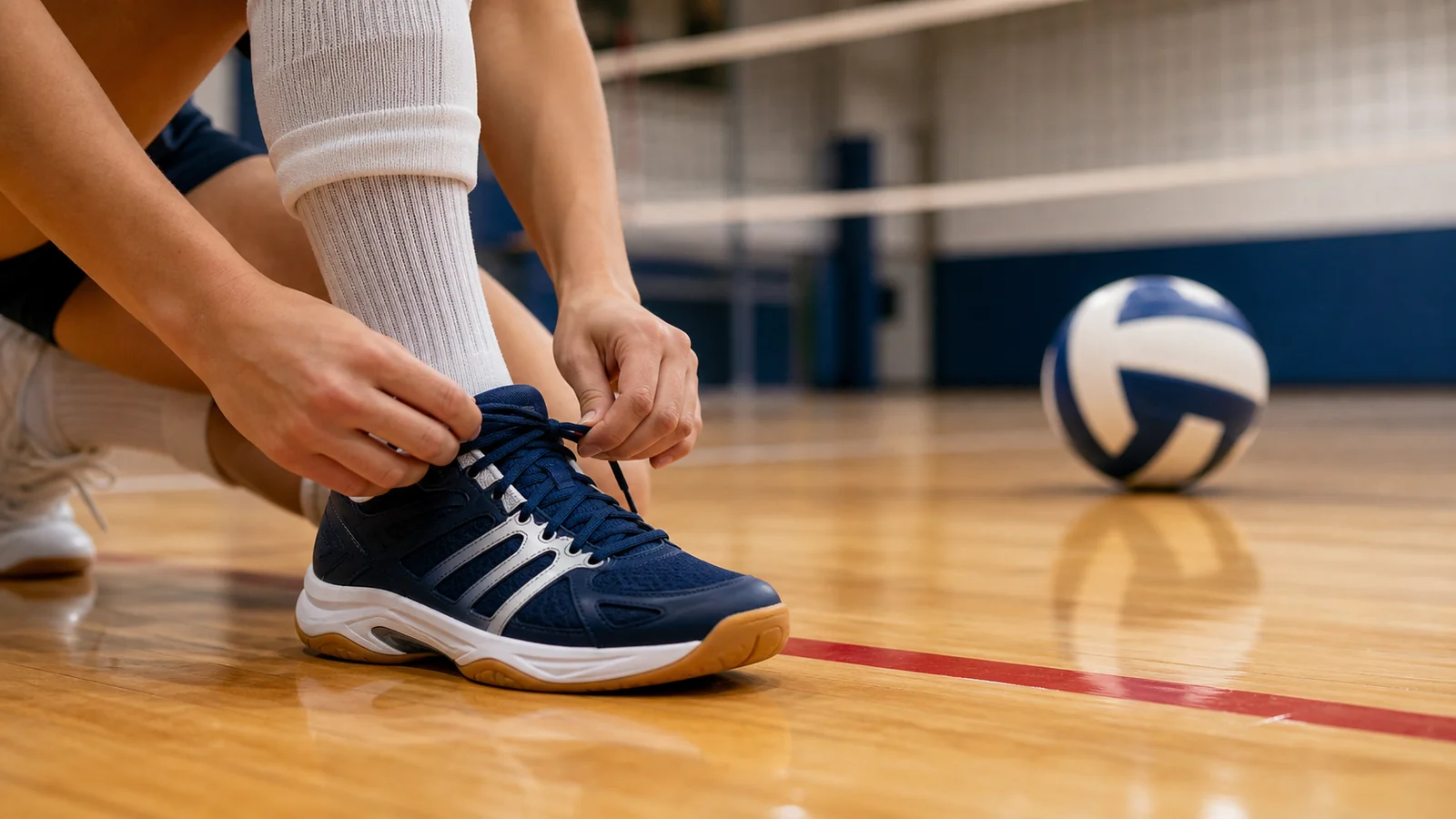
Shoes Change How Volleyball Feels Underfoot
Shoes in volleyball do more than finish a uniform. They affect how securely you stop, how stable you feel when you move sideways, how your feet handle repeated jumps, and whether your foot slides inside the shoe during fast plays.
That does not mean every casual player needs the most expensive pair. It does mean volleyball asks different things from footwear than walking, running, lifting, or everyday outfits do. The court is smooth. The movement is quick. Your body shifts forward, sideways, and upward within seconds.
This guide explains the role shoes play in volleyball so you can judge your current pair, shop with a clearer eye, and keep court shoes useful for both performance and style.
What Volleyball Shoes Need to Do
Volleyball shoes need to help with five main jobs: grip, side support, landing comfort, foot lockdown, and breathability. A shoe that does one job well but fails another can still feel wrong on court.
Running shoes often feel comfortable because they are cushioned for forward motion. Volleyball includes lateral shuffles, short sprints, block jumps, approach jumps, sudden stops, and quick pivots. That mix needs a shoe that keeps the foot centered over the sole.
Fashion sneakers can look sharp with athletic outfits, but many do not have the grip or structure for repeated indoor court movement. They may work for watching a match or walking to practice, but they are not the same as a court-ready shoe.
If you play once in a while, a stable indoor court shoe may be enough. If you play weekly, compete, jump often, or wear braces, volleyball-specific shoes become more important.
Start With Court Grip
Grip is the first reason shoes matter in volleyball. You need enough traction to stop and push off, but not so much sticky drag that pivots feel awkward.
Look for a clean indoor outsole, often with non-marking rubber or gum-style traction. The sole should feel secure on polished gym floors. It should not be worn smooth, packed with outdoor dirt, or used heavily on pavement.
Test grip with small movements before hard play:
- Shuffle sideways and stop.
- Step forward and back quickly.
- Rise onto the balls of your feet.
- Try a small jump and balanced landing.
If your shoe slips on a clean court, the outsole may be wrong or worn. If the outsole grips but your foot slides inside the upper, the problem is fit. Those two issues can feel similar during play, so separate them before you blame the court.
Check Side Support Before Cushioning
Cushioning gets attention because volleyball includes jumping, but side support is just as important. Your shoes should help keep your foot over the platform when you move laterally.
A supportive volleyball shoe may have a wider base, a firmer heel counter, sidewall support, structured overlays, or a lacing system that holds the midfoot. You do not need to memorize every technology name. You need to feel whether the shoe stays under you.
Try this fit check indoors. Put on the shoes with your volleyball socks. Stand in an athletic stance, shift side to side, and notice whether your foot spills over the edge of the sole. Then do a few controlled side steps. If your foot rolls over the platform or the upper lets you slide, the shoe may not be supportive enough.
Very soft shoes can feel comfortable while standing and unstable once you cut sideways. Very stiff shoes can feel secure but slow. The useful middle ground is stable, flexible where your forefoot bends, and firm enough through the midfoot that the shoe does not twist easily.
Match Cushioning to Your Jump Load
Volleyball landing comfort depends on how often you jump, how hard the court feels, and where you feel impact. Hitters and blockers may care more about landing protection. Defensive players may prefer a lighter shoe that feels quick close to the floor.
Good cushioning should soften impact without making the shoe wobbly. The heel should not feel harsh. The forefoot should not feel thin during repeated jumps. The platform should not collapse when you land slightly off-center.
Use your own play as the guide:
| Your volleyball routine | Shoe priority | Watch for |
|---|---|---|
| Frequent blocking or hitting | Cushioned landings with stable base | Tall soft shoes that wobble |
| Back-row defense | Quick feel and clean traction | Sloppy heel hold |
| Casual gym play | Comfort, grip, and easy fit | Old running shoes with worn soles |
| Braces or orthotics | Interior volume and secure lacing | Tight collars or shallow toe boxes |
| Long practices | Cushioning plus breathability | Hot spots and damp socks |
If your knees, feet, or ankles hurt during or after play, shoes are only one possible factor. Training load, technique, surface, strength, and medical history matter too. Get personal guidance for pain that is sharp, recurring, or changing.
Use the Right Socks, Braces, and Fit Setup
Volleyball shoe fit is not complete until you try the full setup. Socks, ankle braces, sleeves, and orthotics can change the way a shoe fits.
Bring your real socks when shopping. If you use ankle braces, test the shoes with the braces in place. A pair that feels perfect without a brace may become too tight at the collar or midfoot once the brace is inside.
Check these fit points:
- Your heel stays down without hard rubbing.
- Your midfoot feels held, not squeezed.
- Your toes have room during stops and landings.
- The upper does not pinch the pinky toe or big toe.
- The tongue does not press sharply on the top of your foot.
- The shoe works with the sock thickness you actually wear.
Avoid buying extra length to solve width. A shoe that is too long can let your foot slide forward, which creates toe pressure and blisters. If the shoe is narrow, look for a different model, a wider shape, or a court shoe that better matches your foot.
Our how to stop shoes from blistering guide can help if the shoe mostly fits but one area keeps rubbing.
Are Volleyball Shoes Different From Running Shoes?
Yes, in the way they are built and the movement they prioritize. Running shoes are mainly designed for forward travel. Volleyball shoes are built around indoor traction, side-to-side stability, jumping, landing, and fast stops.
That difference matters most when movement gets intense. A running shoe may feel cushioned during warmups, then feel unstable during lateral plays. A soft sole can compress unevenly. A high stack can feel tippy. A forward-motion outsole may not grip the same way on a dusty gym floor.
Basketball shoes can sometimes work because they are also court shoes. The trade-off is weight, height, and feel. Some basketball shoes are supportive and protective. Others feel too bulky or high for volleyball. Test side steps, forefoot flex, heel hold, and jump landings before deciding.
For a deeper shoe-by-shoe buying checklist, see our volleyball shoes selection guide.
When Your Current Shoes Are Good Enough
You may not need new shoes if your current pair is stable, clean, comfortable, and appropriate for the court. Beginners and casual players can often start with a reliable indoor court shoe while they learn what their feet need.
Your current shoes may be good enough if:
- They grip clean indoor floors.
- Your heel does not slip.
- Your toes do not hit the front during stops.
- Your foot does not roll over the edge.
- Cushioning still feels protective.
- The outsole is not worn smooth.
- You do not get repeat hot spots in the same place.
Replace or retire the pair when traction fades, the midsole feels dead, the upper no longer holds your foot, the heel counter collapses, or the shoe starts causing problems it did not cause before.
Keep Court Shoes for Court Use
Volleyball shoes last longer when you protect the outsole and foam. Pavement, sidewalks, parking lots, and rough outdoor surfaces can wear down traction faster than indoor play.
Use a separate pair for walking outside if you can. Change into court shoes at the gym. Wipe dusty outsoles with a slightly damp cloth and let them dry before storage. Air shoes out after practice instead of sealing them in a damp bag.
Do not machine wash unless the brand specifically says the shoe can handle it. Spot clean the upper, remove loose dirt with a soft brush, and let the pair dry away from direct heat.
If you love the look of volleyball shoes with casual outfits, keep a lifestyle pair separate from your main court pair. That way your outfit shoes can handle pavement while your court shoes keep their grip.
Styling Volleyball Shoes Off Court
Volleyball shoes have a technical shape, so they work best with outfits that accept a sporty base. Think straight jeans, relaxed trousers, track pants, leggings, sweatshirts, cropped jackets, simple tees, and clean outerwear.
Color changes the mood. White, navy, gray, black, and cream pairs are easier to repeat. Bright pairs can look great, but the outfit should stay simple enough that the shoe feels intentional.
For a cleaner casual look, keep hems controlled. Straight or slightly wide pants usually balance a court shoe better than skinny denim that bunches around the collar. With leggings, add a longer sweatshirt, bomber, fleece, or oversized shirt so the shoe does not look disconnected from the rest of the outfit.
If your volleyball shoes are bulky, avoid delicate skirts or very polished tailoring unless you are building a clear sporty contrast. A technical shoe usually looks best when at least one other piece in the outfit feels athletic or relaxed.
Common Volleyball Shoe Mistakes
The first mistake is using worn running shoes because they still feel soft. Cushion does not equal court support.
The second mistake is ignoring width. A shoe can be the right length and still be wrong if your forefoot spills over the sole.
The third mistake is wearing the court pair outside every day. Outdoor dirt and rough surfaces can reduce indoor grip.
The fourth mistake is buying only for color. A beautiful shoe that slips, pinches, or feels unstable will not help your game.
The fifth mistake is assuming break-in will fix pain. A volleyball shoe may soften slightly, but it should not create sharp pressure or repeated blisters from the first wear.
FAQ
Can I play volleyball in regular sneakers?
For casual play, regular sneakers may work if they are stable, clean, and have good indoor grip. For frequent volleyball, a court shoe or volleyball-specific shoe is usually safer and more useful.
Should volleyball shoes feel tight?
They should feel secure, not tight. Your heel and midfoot should stay in place, while your toes still have enough space for stops, jumps, and swelling during play.
Do volleyball shoes help you jump higher?
Shoes can help you feel stable, cushioned, and connected to the floor, but they do not replace strength, timing, approach mechanics, or training. Treat shoe choice as support for movement, not a shortcut.
Can I wear volleyball shoes outside?
You can, but it may wear down the outsole and reduce indoor traction. If you depend on the shoes for court grip, keep them mostly for indoor play.
The Bottom Line
Shoes in volleyball matter because the sport asks for grip, lateral support, landing comfort, and a secure fit all at once. Start by checking your court movement: do you slip, slide inside the shoe, land harshly, or feel unstable side to side? Then choose or adjust your shoes around the problem you actually feel. A good volleyball shoe should help you move cleanly on court and still fit into your wardrobe when you want a sporty casual look.
You might also like
Volleyball Shoes: How to Choose the Right Pair
Choose volleyball shoes by court grip, foot shape, position, cushioning, and off-court styling needs.
Volleyball Shoes: Fit, Grip, and Court Guide
Choose volleyball shoes by traction, cushioning, side support, position, fit, and indoor-court needs.
Best Running Shoes for Flat Feet: Support Guide
Find running shoes for flat feet by stability, arch feel, width, cushioning, gait, and real fit checks.