Volleyball Shoes: Fit, Grip, and Court Guide
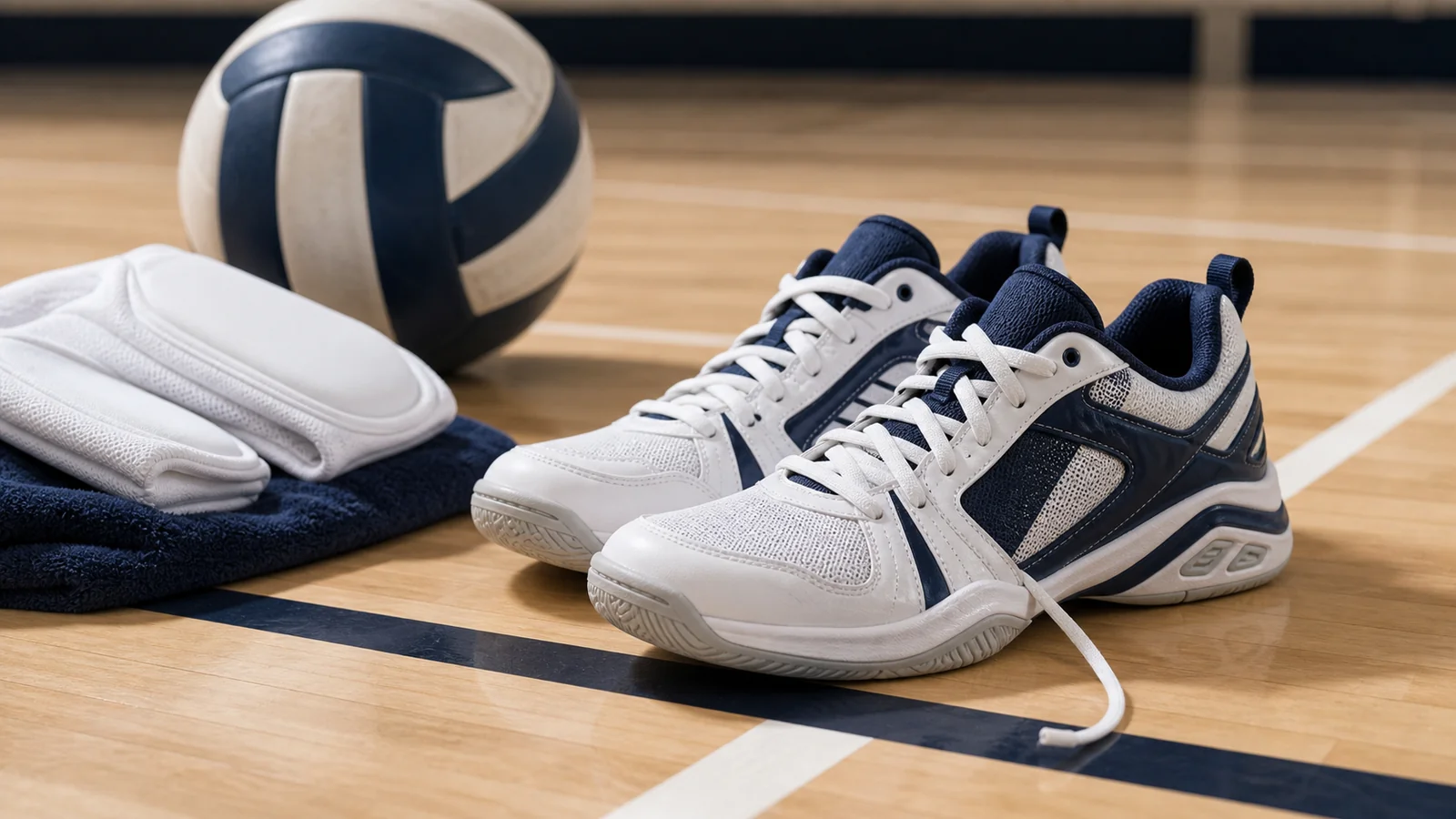
Volleyball Shoes Are Built for Court Movement
Volleyball shoes are not just regular sneakers with a sport name attached. They are made for indoor court movement: quick starts, short sprints, jumps, landings, lateral cuts, and fast direction changes. That means the best pair should feel stable from side to side, grippy on polished floors, cushioned enough for repeated jumps, and light enough that your feet do not feel slow.
This guide does not claim hands-on testing of one current model. We are looking at volleyball shoes as a buying and fit decision: what features matter, how to try them on, and when a court shoe makes more sense than a running shoe or fashion sneaker.
If you play on indoor courts, protect the outsole. A shoe that picks up grit outside or wears down on pavement may lose the clean grip you bought it for. Keep game shoes for the court when you can.
Traction Comes First
Good volleyball shoes need reliable traction because the sport asks you to stop and change direction quickly. You should feel connected to the floor without feeling stuck.
Many indoor court shoes use gum rubber or non-marking rubber outsoles. The exact pattern varies, but the goal is similar: grip on polished wood or synthetic indoor courts. A worn outsole, dusty sole, or shoe used outdoors can slide more than expected.
When you try a pair, test short side steps, a quick forward stop, and a small jump landing if the store or space allows it. The shoe should feel secure under the ball of the foot and heel. If your foot slides inside the shoe even when the outsole grips, the fit or lacing may be wrong.
Avoid choosing a shoe only because the tread looks aggressive. Volleyball does not need a trail-shoe lug pattern. It needs clean indoor grip and controlled pivots.
Cushioning Should Help Landings
Volleyball includes repeated jumping, especially for hitters, blockers, and players who spend long practices on hard courts. Cushioning helps reduce harsh impact, but too much soft foam can make the shoe feel unstable.
Look for a balance: comfortable under the heel and forefoot, but not so squishy that the foot rolls during side movement. The forefoot matters because many volleyball movements happen on the balls of the feet.
If you are a frequent jumper, pay attention to landing feel. The shoe should absorb impact without making you feel disconnected from the court. If the cushion bottoms out or feels wobbly, try another model.
If you mostly play casual recreation, comfort may matter more than elite responsiveness. Still, the shoe should support lateral movement better than a running shoe.
Side Support Matters More Than You Think
Running shoes are designed mostly for forward motion. Volleyball shoes need more lateral support because the sport moves side to side as much as forward.
Look for a secure midfoot, a heel that does not slip, and an upper that keeps your foot centered over the sole. Some court shoes use overlays, sidewalls, wider bases, or structured heel counters to help with this.
The shoe should not pinch, but it should not feel loose around the midfoot either. If your foot spills over the edge during a side step, the shoe may be too narrow or too soft.
Lacing can help. Try a heel-lock lacing method if the length feels right but the heel moves. If the shoe still shifts, do not assume thicker socks will solve it. A poor fit usually shows up more during play.
Match the Shoe to Your Position and Play Style
Not every player needs the same feeling underfoot.
| Player need | What to prioritize | What to avoid |
|---|---|---|
| Frequent jumping | Cushioning and landing stability | Very flat shoes with harsh impact |
| Quick defense | Light feel and grip | Heavy shoes that feel slow |
| Lateral movement | Side support and secure midfoot | Soft running-style uppers |
| Casual play | Comfort and reliable traction | Outdoor-worn soles |
| Wide feet | Roomy toe box and stable base | Narrow uppers that squeeze |
Liberos and defensive players may prefer a lighter, quicker shoe. Hitters and blockers may want more impact protection. Setters often need a mix of quick movement and stable takeoff.
Your body also matters. A player who likes a firm, close-to-court feel may dislike a plush shoe. A player with sensitive knees or long practices may want more cushioning. Try to match the shoe to your real movement instead of copying a teammate.
Fit Checks Before You Buy
Volleyball shoe fit should feel secure but not cramped. Your toes need room, especially because feet can swell during practice. At the same time, extra length can make stops and jumps feel sloppy.
Try shoes with the socks you actually wear for volleyball. If you use ankle braces, bring them. A shoe that fits without a brace may become too tight with one.
Check these points:
- Toes can move slightly without hitting the front on stops
- Heel stays down during quick steps
- Midfoot feels held without numbness
- Forefoot bends where your foot bends
- Sole feels stable during side steps
- No hard rubbing at the collar or tongue
Walk, side-step, and do a few small calf raises. If the shoe feels wrong in the store, it will probably feel worse after a full practice.
Volleyball Shoes vs. Other Sneakers
Running shoes are comfortable, but their soft midsoles and forward-motion design can feel unstable for volleyball. They may be fine for walking to the gym, but they are not ideal for hard side cuts or repeated court jumps.
Basketball shoes can sometimes work for volleyball because they are also court shoes, but they may feel heavier or higher than some volleyball players prefer. Check traction, weight, and lateral stability rather than assuming every court shoe is interchangeable.
Fashion sneakers are usually the weakest choice for real play. They may look good with casual outfits, but many lack the grip, support, and cushioning needed for court movement. If you want sporty everyday style, keep a separate pair for outfits so your court shoes stay clean.
For casual sneaker styling outside the gym, our Fila clothing and shoes guide covers how sporty shoes affect proportions with denim, jackets, and streetwear pieces.
Care Rules That Protect Grip
Indoor shoe grip can fade when the outsole gets dusty, dirty, or worn. Wipe the soles with a slightly damp cloth after play if the court was dusty. Let the shoes air out before putting them back in a closed bag.
Do not machine wash unless the brand specifically says it is safe. Water, heat, and agitation can damage glue, foam, and upper structure. Spot clean the upper gently and let shoes dry away from direct heat.
Rotate if you play often. Foam compresses with use, and damp shoes can smell or break down faster. Giving a pair time to dry helps it last longer.
Use the shoes on indoor courts when possible. Wearing volleyball shoes on pavement, grass, or rough outdoor surfaces can wear down the outsole and reduce court grip.
What to Wear With Volleyball Shoes Off Court
Volleyball shoes are functional first, but many pairs have a clean athletic look. If you wear them casually, keep the outfit simple and sporty.
Straight jeans, track pants, leggings, sweatshirts, cropped jackets, and casual tees can work. The shoe shape is usually more technical than a minimal sneaker, so it pairs best with relaxed clothes rather than delicate dresses or tailored office pieces.
If the shoes are bulky, balance them with straight or wider bottoms. If they are slim and clean, they can work with leggings, bike shorts, or casual skirts for a sporty weekend look.
Still, if you play regularly, it is better to save your main pair for the court. Everyday wear can flatten cushioning and dirty the outsole.
Common Buying Mistakes
The first mistake is buying only by color. A good-looking shoe still needs grip, support, fit, and cushioning.
The second mistake is using old running shoes for volleyball. They may feel comfortable while walking, but they can feel unstable during side movement and landings.
The third mistake is ignoring the outsole. If the sole is worn smooth or used outdoors, it may not grip well on an indoor court.
The fourth mistake is choosing a shoe too big for comfort. Extra length can make the foot slide, which affects stops, jumps, and landings.
The fifth mistake is assuming all players need the same shoe. Position, foot shape, practice frequency, ankle braces, and personal comfort all change the best choice.
FAQ
Are volleyball shoes different from running shoes?
Yes. Volleyball shoes are built for indoor traction, lateral support, jumping, and landing. Running shoes are mainly designed for forward motion and may feel unstable during court movement.
Can basketball shoes work for volleyball?
Some can, especially if they have good indoor grip and lateral support. They may feel heavier than volleyball-specific shoes, so try side steps and jump landings before deciding.
Should volleyball shoes be tight?
They should feel secure, not tight. Your heel and midfoot should stay in place, but your toes need enough room to move and avoid hitting the front during stops.
Can I wear volleyball shoes outside?
You can, but it is better not to if you rely on them for court play. Outdoor surfaces can wear down the outsole and reduce indoor grip.
The Bottom Line
Volleyball shoes should help you grip the court, move side to side, jump, land, and play without your feet sliding around. Start with traction, cushioning, side support, and fit rather than color alone. Try them with your real socks or braces, protect the outsole, and keep court shoes separate from everyday sneakers when grip matters.
You might also like
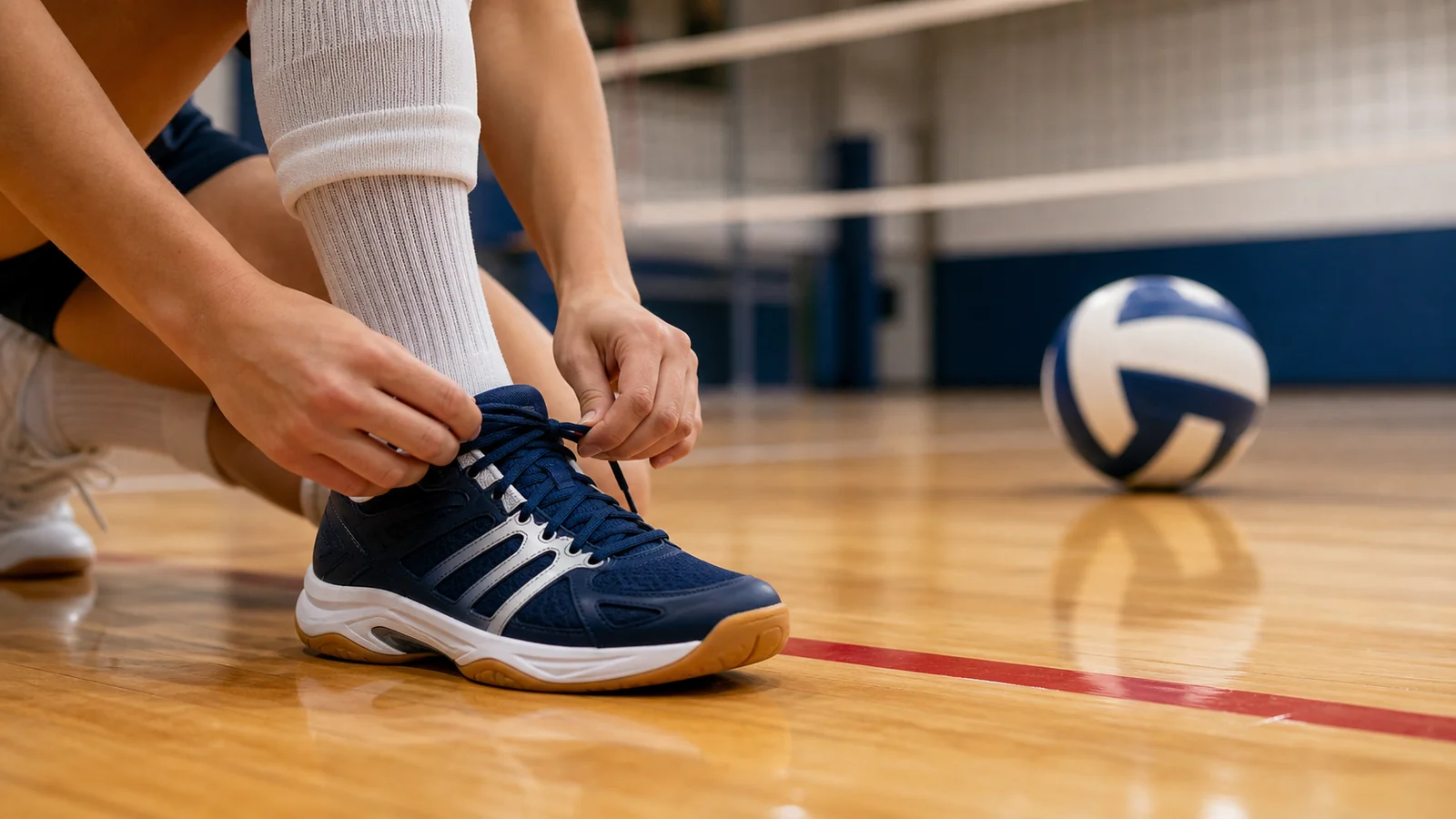
Shoes in Volleyball: Fit, Grip, and Support Guide
Understand why volleyball shoes matter for grip, landing, side support, fit, court care, and casual wear.
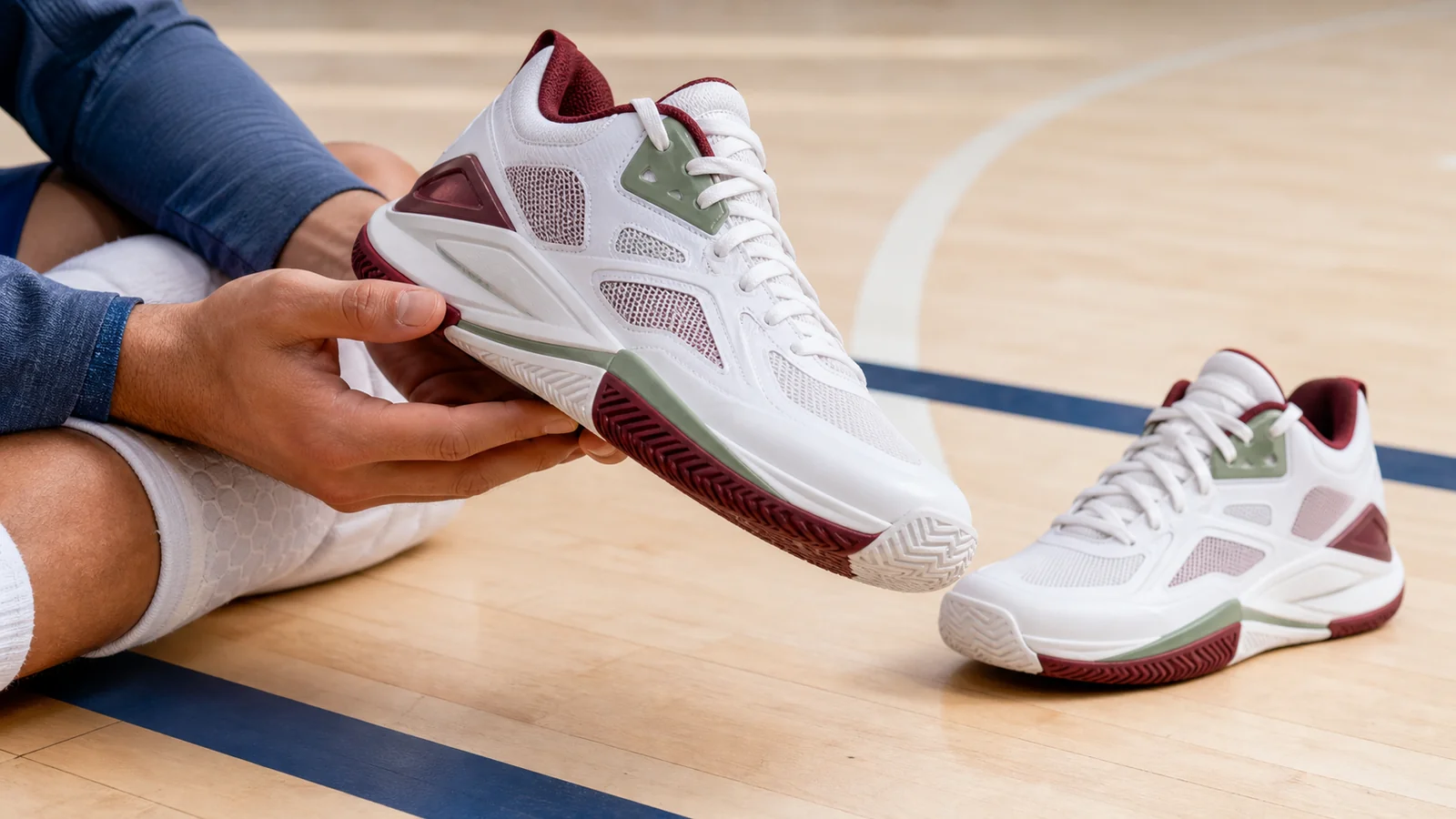
Volleyball Shoes: How to Choose the Right Pair
Choose volleyball shoes by court grip, foot shape, position, cushioning, and off-court styling needs.
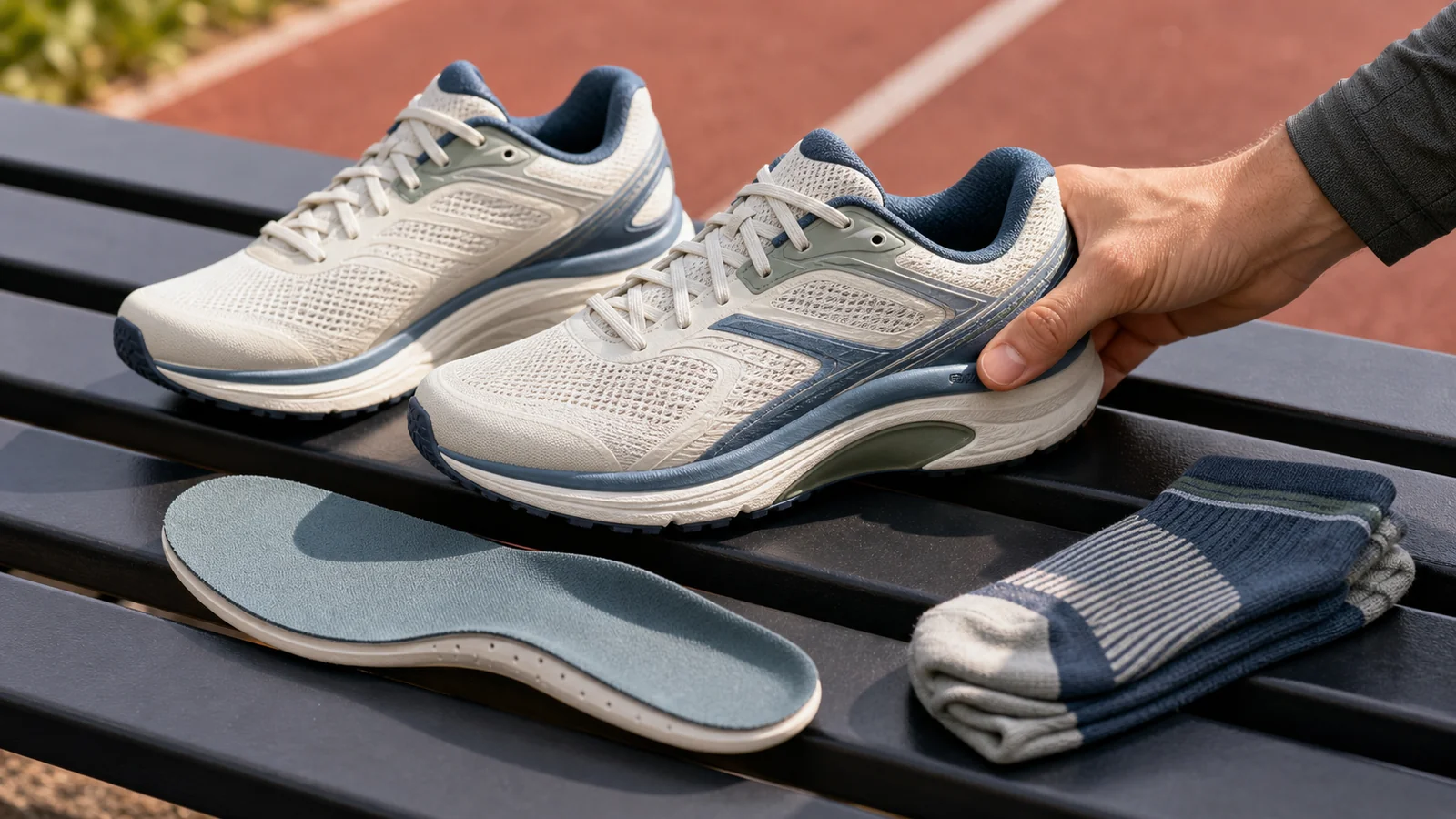
Best Running Shoes for Flat Feet: Support Guide
Find running shoes for flat feet by stability, arch feel, width, cushioning, gait, and real fit checks.