Best Running Shoes for Flat Feet: Support Guide
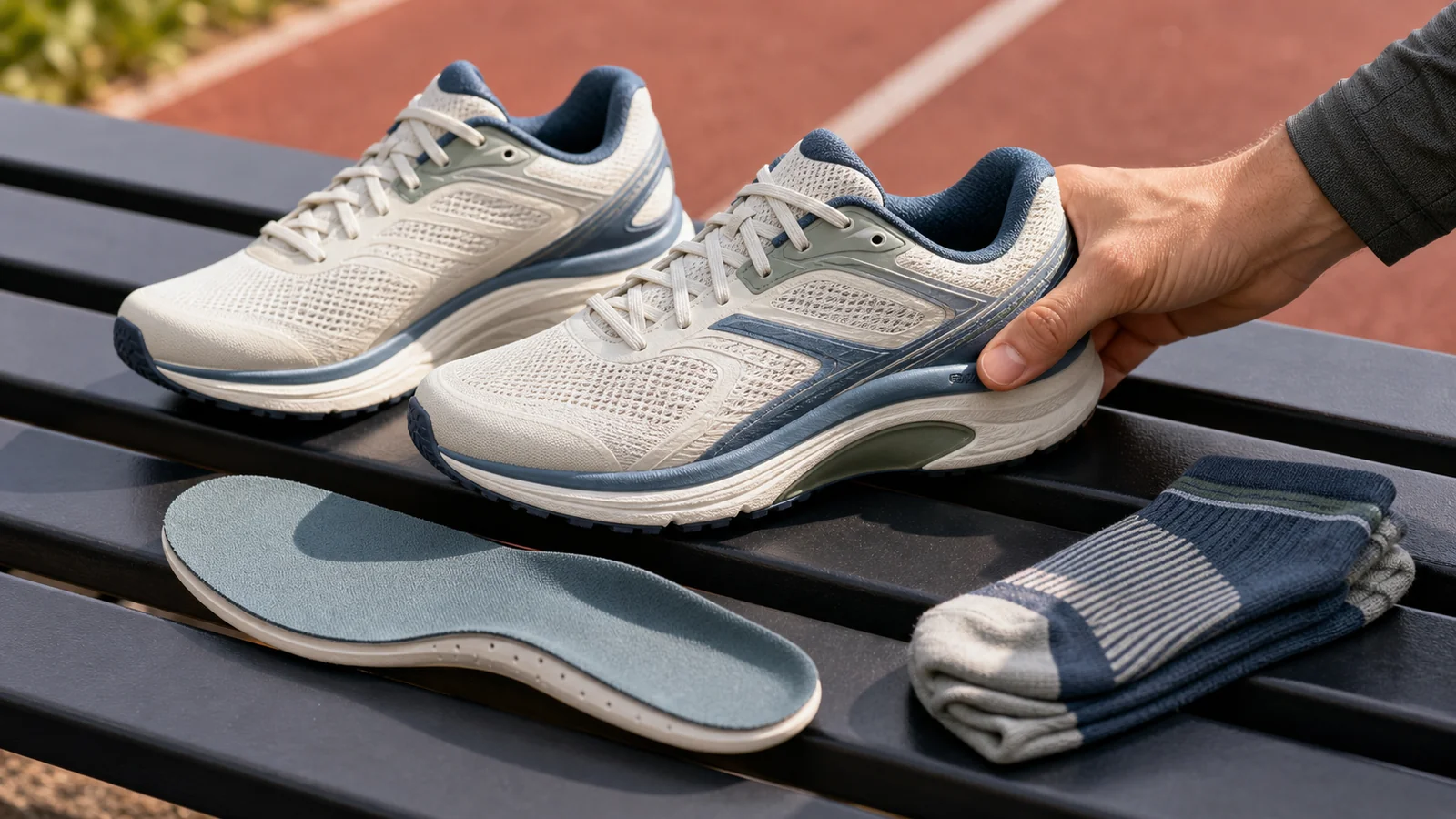
Look for Support, Not Just a High Arch
The best running shoes for flat feet are not always the pair with the tallest arch bump. Flat feet can come with overpronation, wide midfeet, tired arches, heel pain, or no pain at all. Some runners need clear stability. Some need a roomy neutral shoe that accepts an orthotic. Some simply need a firmer platform than a very soft fashion sneaker.
This guide does not replace advice from a podiatrist, physical therapist, or running specialist. If you have pain, recurring injury, numbness, or a sudden change in your feet, get personal guidance. For everyday shoe shopping, though, you can make a better shortlist by understanding support, fit, width, cushioning, and how the shoe feels when you actually run.
We are using a toplist structure by shoe need rather than declaring one universal winner. Model versions change, and flat feet are not all the same. Treat the examples as starting points to try, not automatic prescriptions.
Best Overall Type: Stability Daily Trainers
For many runners with flat feet, a stability daily trainer is the safest first category to try. These shoes are designed to help guide the foot through the stride and reduce excessive inward roll without feeling like medical devices.
Look for a stable base, secure heel, structured midfoot, moderate-to-high cushioning, and enough flex that the shoe does not feel clunky. Popular model families in this category often include Brooks Adrenaline GTS, ASICS GEL-KAYANO, New Balance 860, HOKA Arahi, and Saucony Guide. Check the current version and try them on because each update can change fit and feel.
Choose this type if your ankles roll inward, your old shoes collapse on the inner side, or you feel more secure in a guided ride. Avoid it if the support feels like it pushes your foot outward or creates knee discomfort.
Best for Mild Support: Guided Neutral Shoes
Some runners with flat feet do not need a firm stability shoe. They need a neutral shoe with a wider platform, decent heel hold, and gentle guidance. This can work if your flat feet are flexible, you do not have strong overpronation, or you use an insert that already provides support.
The key is balance. A shoe can feel cushioned and still be stable if the base is wide enough and the heel counter is secure. A shoe can also feel soft but unstable if the foam collapses under your arch.
Choose this type if traditional stability shoes feel too controlling. Try it with your usual running socks and any insole you actually plan to use. The shoe should feel centered under your foot, not like you are balancing on a pillow.
Best for Wide Feet: Wide-Width Stability Shoes
Flat feet often need more room through the midfoot and forefoot. A standard-width shoe can make the arch support feel aggressive simply because the shoe is too narrow. Before you reject a supportive shoe, try the wide width if it exists.
A good wide-width running shoe should give your toes space without letting the heel slide. The midfoot should feel held, not squeezed. Your foot should sit on top of the platform rather than spilling over the edge.
This is especially important if you wear orthotics. Inserts take up volume. A shoe that fits without an insert may feel tight once the orthotic is inside.
When comparing sizes, do not solve width by buying too long. Extra length can cause sliding, toenail pressure, and blisters. Width and volume are separate fit problems.
Best for Orthotics: Removable-Insole Trainers
If a clinician has recommended orthotics, or if you use an over-the-counter insert that works well, choose a running shoe with a removable insole and enough interior volume. The shoe and insert need to work together.
Take the factory insole out before adding your orthotic unless the insert maker or clinician says otherwise. Stacking insoles can make the shoe too tight and raise your foot out of the heel cup.
Try the shoe with the orthotic installed. Check heel hold, arch pressure, toe room, and whether the collar rubs. Walk first, then jog if you can. If the shoe feels unstable after the insert goes in, the platform or upper may not be right.
Orthotics can help some people manage symptoms, but they do not magically turn a bad shoe into a good one. The shoe still needs enough stability, cushioning, and fit quality.
Best for Long Easy Runs: Cushioned Stability Shoes
Long easy runs can expose support problems that feel minor in the store. As you get tired, your stride may collapse more, and a too-soft shoe can feel sloppy. For flat feet, cushioned stability shoes can be useful because they combine impact protection with a guided base.
Look for cushioning that feels protective, not mushy. Your heel should land smoothly. Your arch should not feel jabbed. Your forefoot should have enough room to spread.
If you run mostly on roads or treadmills, choose road-running traction and a smooth ride. Trail shoes can be useful off-road, but aggressive lugs are not always comfortable for daily pavement.
Replace shoes when the midsole feels dead, the outsole is worn unevenly, or the upper no longer holds your foot. A shoe can look fine on top while the support has already broken down.
Best for Walking and Gym Days: Stable Cross-Use Sneakers
Not every flat-footed reader is training for races. You may need running shoes for walking, errands, light gym sessions, travel days, or standing-heavy routines. In that case, comfort and support matter more than speed.
Choose a stable running or walking sneaker with a firm heel counter, cushioned midsole, and enough arch support that your foot does not feel tired after an hour. If you use the same pair for gym classes, check side-to-side stability. Some very tall running shoes feel awkward for lateral movement.
For court sports, running shoes are usually not the best choice because they are built mainly for forward motion. Our volleyball shoes selection guide explains why indoor sport shoes need different traction and side support.
If you also style sneakers casually, keep one cleaner pair for outfits and one support-first pair for exercise. This protects cushioning and keeps your everyday clothes looking intentional.
How to Tell if You Need More Stability
Flat feet do not automatically mean you need the firmest motion-control shoe. Use symptoms and movement clues instead.
You may want more stability if:
- Your ankles roll inward noticeably when you run.
- Your shoes wear heavily on the inner heel or forefoot.
- Your feet feel tired quickly in soft neutral shoes.
- Your knees or shins complain during longer runs.
- Your arch collapses over the edge of the midsole.
You may want less stability if:
- Support posts feel like they push your foot outward.
- Your knees feel worse in firm stability shoes.
- You use orthotics that already control motion.
- Your flat feet are comfortable in neutral shoes.
- You only need a wider, more secure fit.
When in doubt, visit a specialty running store or clinician. A short gait check cannot diagnose everything, but it can help you compare how different shoes move under you.
Fit Checks for Flat Feet
Try shoes later in the day if your feet swell. Wear your running socks. Bring orthotics, ankle braces, or blister-prevention products if you use them.
Check these points:
- Thumb-width space in front of the longest toe
- No pinching at the inner arch or bunion area
- Heel secure without collar rubbing
- Midfoot held without numbness
- Toes able to spread slightly
- Platform wide enough for your foot
- No hard pressure from the arch support
Jog in the shoes if possible. A shoe can feel fine while standing and wrong once your stride loads the arch. Pay attention to pressure, not just softness.
If you often blister in running shoes, our how to stop shoes from blistering guide may help once that article is live. Until then, treat rubbing as a fit warning, not a normal break-in step.
Running Shoe Features That Actually Matter
Arch support gets the most attention, but it is only one part of the shoe. For flat feet, the whole platform matters.
| Feature | Why it matters | What to avoid |
|---|---|---|
| Stable base | Keeps the foot centered | Narrow, tippy midsoles |
| Heel counter | Helps control rearfoot movement | Soft collapsed heels |
| Midfoot hold | Reduces sliding and strain | Loose uppers |
| Roomy toe box | Lets toes spread during impact | Narrow forefoot squeeze |
| Balanced cushion | Protects without wobble | Overly soft foam |
| Removable insole | Allows orthotics | Fixed bulky footbeds |
Do the twist test gently. A running shoe should flex at the forefoot, but it should not wring out like a towel through the middle. Too much midfoot twist can feel unstable for some flat-footed runners.
Styling Running Shoes With Everyday Outfits
Supportive running shoes are often more technical-looking than casual sneakers. You can still style them well if the outfit acknowledges the sporty shape.
Straight jeans, relaxed trousers, leggings, track pants, sweatshirts, puffers, bombers, and simple tees usually work. Sleeker neutral colorways are easier to repeat. Bright running shoes can look great, but they become the focal point.
If the shoe is bulky, avoid hems that bunch heavily on top of it. Cropped, cuffed, straight, or slightly wide bottoms tend to look cleaner. If the shoe is slim, it can work with leggings or tapered joggers.
For more casual sneaker proportion ideas, our Fila clothing and shoes guide covers how sporty footwear changes simple outfits.
Common Buying Mistakes
The first mistake is choosing the softest shoe. Softness can feel good for five minutes and unstable after three miles.
The second mistake is buying only by arch height. A high arch bump in the wrong place can irritate the foot. You need support that matches your shape.
The third mistake is ignoring width. Many flat feet need more platform and upper room, not just more arch support.
The fourth mistake is keeping shoes too long. Worn midsoles can lose support before the upper looks old.
The fifth mistake is copying another runner’s favorite shoe. Flat feet vary, and so do stride, body weight, pace, injuries, socks, and surface.
FAQ
Are stability shoes always best for flat feet?
No. Stability shoes are a strong starting point for many flat-footed runners, especially with overpronation, but some runners do better in neutral shoes with orthotics or wider platforms.
Do flat feet need arch support?
Some flat feet feel better with arch support, but the support should be comfortable and well placed. Painful pressure under the arch is not a good sign.
Can running shoes fix flat feet?
Running shoes do not cure flat feet. Supportive shoes and orthotics may reduce symptoms and improve comfort for some people, but persistent pain needs professional guidance.
How often should I replace running shoes?
Replace them when cushioning feels flat, support breaks down, traction is worn, or your body starts noticing aches in a pair that used to feel good. Mileage varies by runner, shoe, surface, and rotation.
The Bottom Line
The best running shoes for flat feet support your stride without forcing it. Start with stability daily trainers, wide-width options, cushioned stability shoes, or orthotic-friendly neutral trainers depending on your foot and routine. Then test fit, heel hold, arch comfort, width, and platform stability before you commit. A good pair should feel secure under your foot, not just supportive on paper.
You might also like
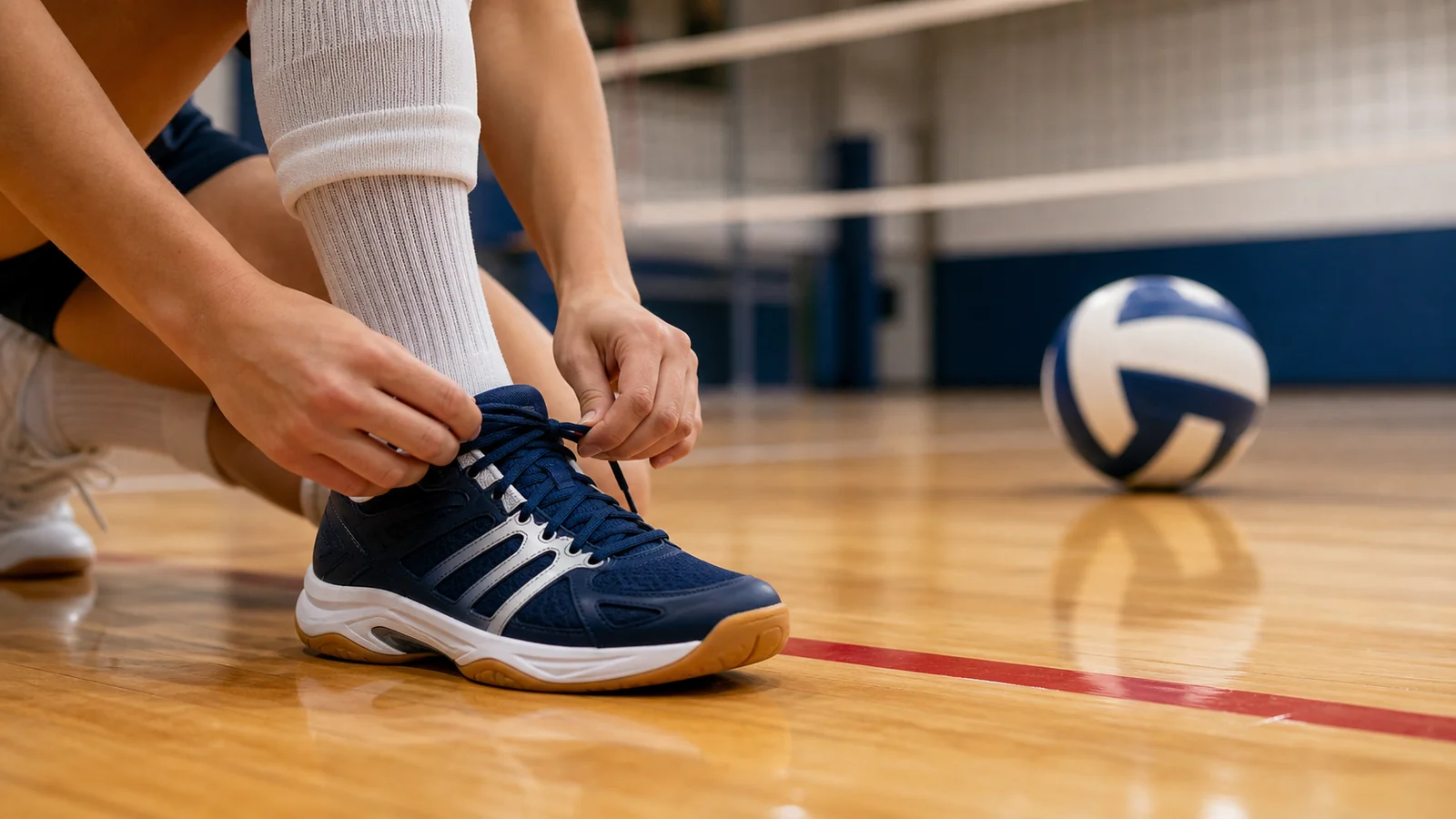
Shoes in Volleyball: Fit, Grip, and Support Guide
Understand why volleyball shoes matter for grip, landing, side support, fit, court care, and casual wear.
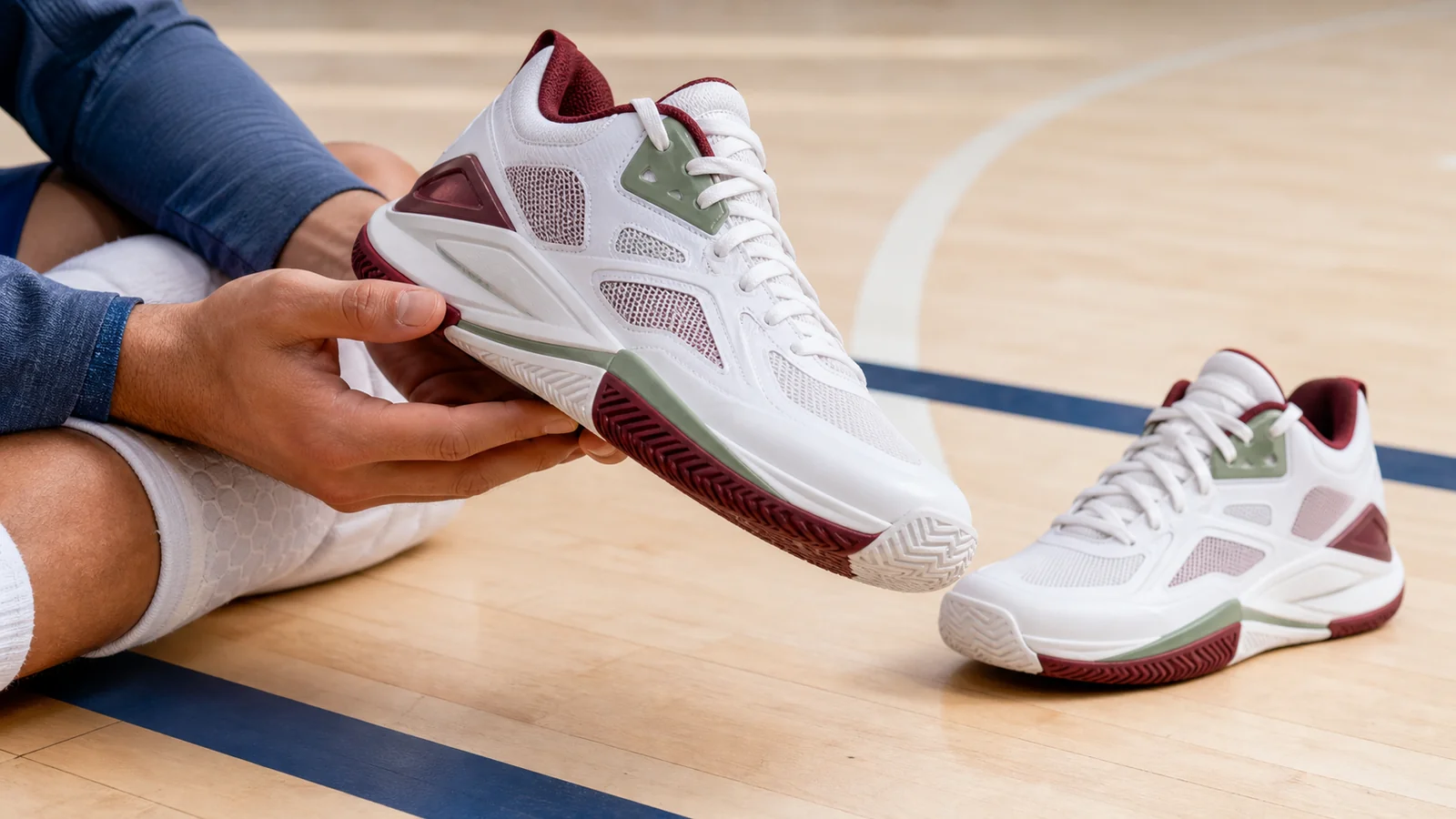
Volleyball Shoes: How to Choose the Right Pair
Choose volleyball shoes by court grip, foot shape, position, cushioning, and off-court styling needs.
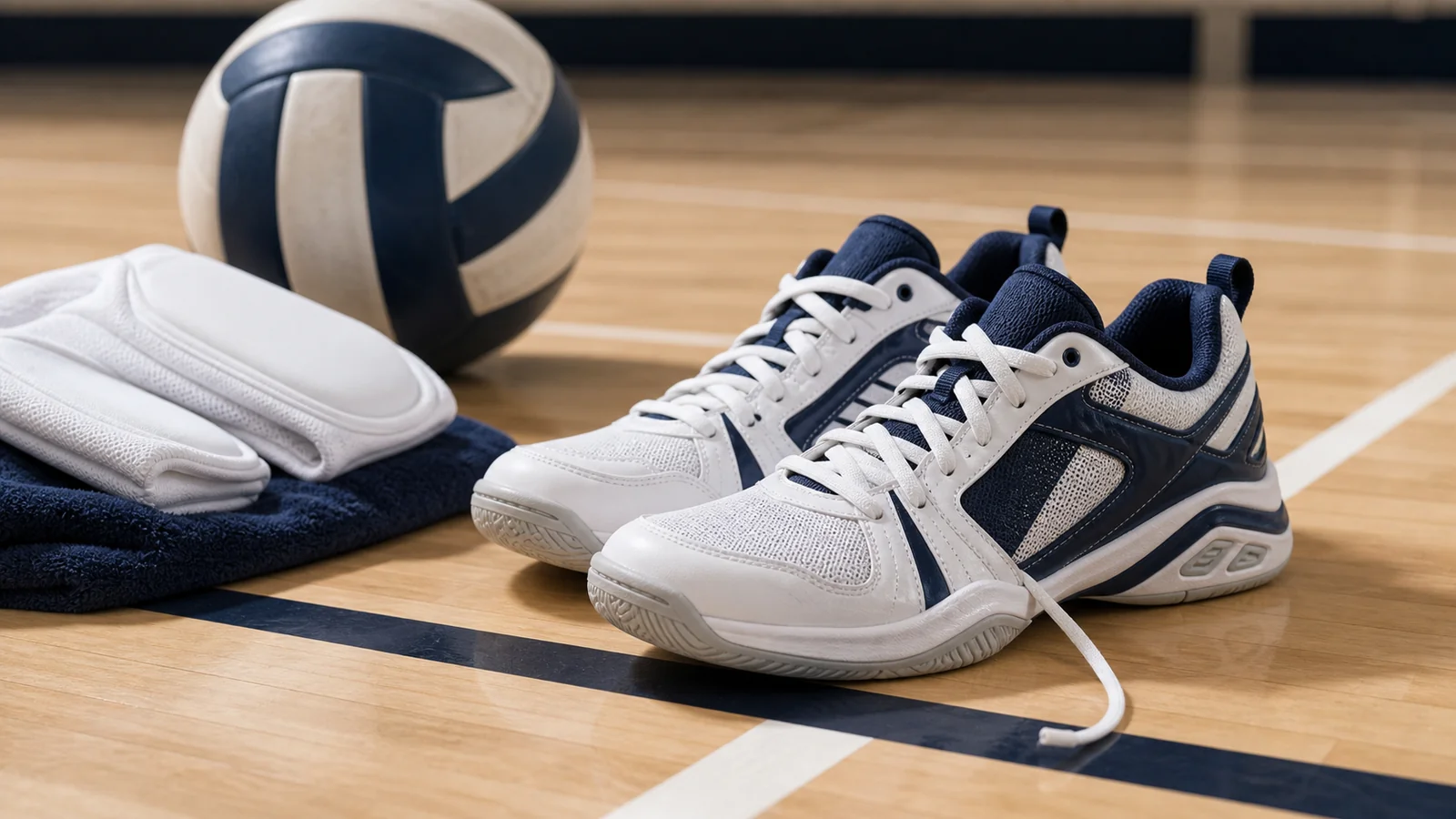
Volleyball Shoes: Fit, Grip, and Court Guide
Choose volleyball shoes by traction, cushioning, side support, position, fit, and indoor-court needs.