Shoe Repair Near Me: A Smarter Cobbler Guide
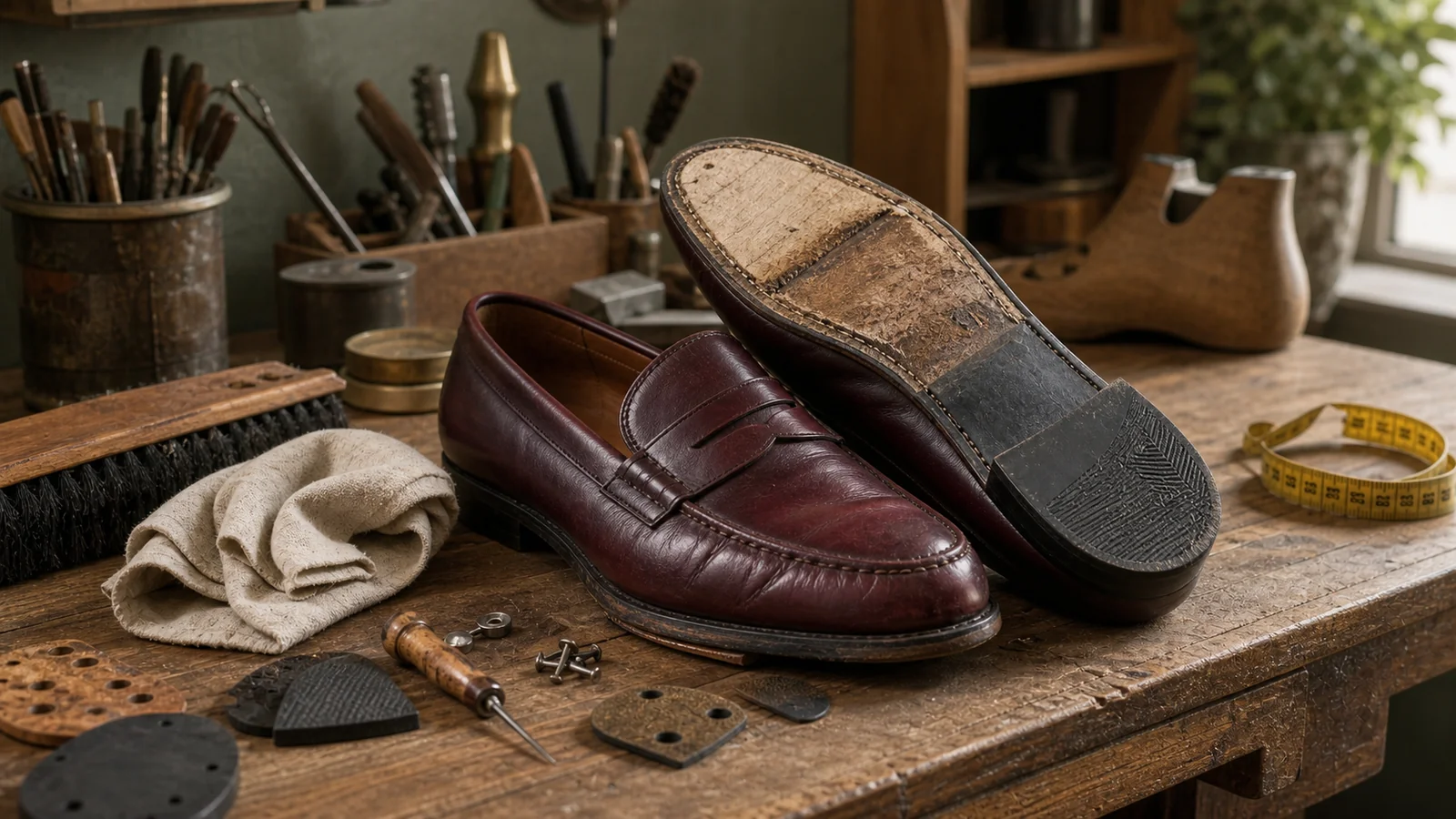
Turn a Nearby Search Into a Better Repair
Searching for shoe repair near me usually means something has gone wrong at the exact wrong time: a heel cap wore down, a sole started lifting, leather looks dry, boots need resoling, or a favorite pair suddenly feels too tired for outfits you still want to wear.
A good cobbler can extend the life of many shoes, but not every repair is worth doing. The smarter move is to know what can be fixed, what questions to ask, and how to decide whether the shoe still earns closet space after the repair.
This guide will not recommend one local shop because location, pricing, and availability change. Instead, it helps you use nearby search results better so you can choose a repair shop with more confidence.
What Shoe Repair Shops Can Usually Fix
Most shoe repair shops handle common wear problems on leather, suede, boots, dress shoes, loafers, heels, and some sneakers. The exact services depend on the shop, equipment, and shoe construction.
Common repairs include:
- Heel cap or heel tip replacement
- Sole repair or full resoling
- Stitching repairs
- Stretching tight spots
- Re-gluing lifted soles
- Polishing and leather conditioning
- Zipper repair on boots
- Elastic replacement on some shoes
- Protective sole guards
- Minor color touch-ups
Leather shoes, welted shoes, quality boots, loafers, and dress shoes are often the best repair candidates. They usually have enough structure and material for a cobbler to work with.
Very inexpensive shoes, heavily worn fashion sneakers, cracked synthetic uppers, peeling faux leather, broken foam soles, and shoes with damaged internal structure may be harder to repair well. Sometimes the cobbler can make them wearable for a while, but the result may not justify the cost.
Decide Whether the Shoes Are Worth Repairing
Before you visit a repair shop, ask whether you still want the shoes in your real wardrobe. Repairing a pair you never wear does not save money. It just keeps clutter alive.
Start with condition. Is the upper still strong? Is the leather cracked through or only dry? Are the soles worn but the shoe body sound? Does the heel still sit straight? Do both shoes wear evenly?
Then check style value. A pair of oxblood loafers, black ankle boots, riding boots, leather flats, or dress shoes may be worth saving because they work across many outfits. A trendy pair you wore twice may not be.
Finally, compare repair cost with replacement cost and quality. A resole on a well-made pair may be sensible. A complex repair on a low-quality synthetic shoe may not be.
Use your wardrobe, not nostalgia, as the deciding vote. If the shoes still work with jeans, trousers, dresses, coats, and your daily routine, a repair may be a smart closet move.
How to Choose a Shoe Repair Shop Near You
Start with the basics: distance, hours, reviews, photos, and services listed. Look for signs that the shop handles the kind of shoes you own. A shop that shows boot resoles may be better for rugged boots. A shop that shows dress shoes, loafers, and heels may be better for polished footwear.
Read reviews carefully. One bad review is not always meaningful, but repeated complaints about missed timelines, poor communication, glue failures, or damaged shoes are worth noticing. Positive reviews that mention specific repairs are more useful than generic praise.
Photos help. Look for clean stitching, even soles, neat heel work, polished leather, and before-and-after examples. The shop does not need a glossy website, but visible work gives you more confidence.
Call before going if the repair is unusual. Ask whether they work on your shoe type, whether they need to see it in person, and whether they can estimate a timeline. For expensive shoes, ask if they have experience with similar construction.
What to Bring to the Cobbler
Bring the shoes clean enough to inspect. They do not need to look perfect, but heavy dirt can hide damage and makes evaluation harder.
Bring both shoes, even if only one looks damaged. The cobbler may need to match heel height, sole thickness, color, shape, or wear pattern. One repaired shoe that sits higher than the other can feel wrong.
Bring any broken pieces if you have them: heel caps, buckles, straps, insoles, or loose trim. The shop may not reuse them, but they help explain the original construction.
If color matters, wear or bring the outfit context in your mind. Oxblood polish, black edge dressing, brown leather tone, and suede nap can shift how shoes look with clothes. If the pair is part of your regular wardrobe, say that you want the repair to keep the look polished rather than overly shiny or heavily altered.
For shoes you wear with specific outfits, our shift dress styling guide shows how much shoe shape and polish can affect a simple dress. That same logic applies after repair.
Questions to Ask Before Approving the Repair
A good repair conversation should be clear. You do not need to know cobbler vocabulary, but you do need to understand the plan.
Ask:
- What repair do you recommend?
- Will this be a temporary fix or a longer-lasting repair?
- Will the shoe look different afterward?
- Can both shoes stay the same height and balance?
- What material will you use for the sole, heel, or patch?
- How long will it take?
- What will it cost?
- Is the shoe worth repairing?
That last question is important. A trustworthy cobbler may tell you when the repair is not worth the money. Listen. They see how shoes fail, and they know when a problem is structural rather than cosmetic.
Get the claim ticket, timeline, and price in writing if the shop provides it. Keep the ticket until pickup.
Common Shoe Repairs and When They Make Sense
Heel caps are one of the easiest repairs to justify. If the shoe still fits and the heel has simply worn down, replacing the cap can make the pair safer and cleaner.
Resoling makes sense when the upper is in good shape and the shoe construction supports it. Leather dress shoes, boots, and quality loafers are common candidates. A full resole can change the feel slightly, so ask about sole material and thickness.
Re-gluing can help when a sole or trim starts lifting, but it depends on the material. If the shoe has crumbling foam or peeling synthetic layers, glue may not create a durable fix.
Stretching can help minor tightness, especially in leather. It will not turn the wrong size into the right size. If a shoe hurts because the shape is wrong, stretching may only help a little.
Polishing and conditioning are worth doing when leather looks dry or dull but is still sound. Deep cracks, peeling, or flaking cannot be polished back into new leather.
What About Sneakers?
Sneaker repair depends on the shoe. Some shops clean sneakers, reglue soles, replace insoles, touch up color, or repair minor stitching. But many fashion sneakers are built with foam, mesh, glued layers, and synthetic materials that are harder to repair cleanly.
If the sneaker is valuable, sentimental, or limited, look for a shop that specifically shows sneaker restoration work. Traditional shoe repair skills still matter, but sneaker restoration may require different materials and finishing methods.
For everyday sneakers, compare the repair cost with replacement and actual use. If the sole is worn smooth, the upper is torn, and the cushioning feels dead, repair may not solve the comfort problem.
If you use sporty shoes for outfits, separate style sneakers from performance shoes when possible. Our volleyball shoes guide explains why court outsoles should be protected from daily outdoor wear.
After the Repair: Check Before You Leave
Inspect the shoes at pickup. Check both shoes together, not one at a time. Look at heel height, sole edges, stitching, color, polish, glue lines, and overall shape.
Try them on if the shop allows it. Stand, walk a few steps, and notice whether one shoe feels higher, tighter, or less stable. Small changes can matter when you wear the shoes all day.
Ask about care. The cobbler may recommend polish, conditioner, suede brush use, sole guards, weather protection, or a future repair timeline. Good care after repair helps the work last longer.
If something looks wrong, speak up politely before leaving. It is easier for the shop to understand the issue while the repair is fresh and the shoes are still there.
Build Repair Into Wardrobe Care
Shoe repair works best when you do not wait until the shoe is nearly destroyed. Worn heel caps, thinning soles, loose stitching, dry leather, and lifting edges are easier to fix early.
Check your most-used shoes once a month: loafers, boots, flats, heels, sneakers, and sandals. Look at the sole, heel, toe, stitching, and inside lining. If you rotate shoes, they dry out between wears and last longer.
Use shoe trees or gentle stuffing for leather shoes that crease heavily. Brush suede regularly. Wipe salt and mud quickly. Let wet shoes dry away from direct heat.
A small care routine can save bigger repairs. It also keeps outfits sharper. A polished loafer can make jeans and a sweater look intentional; a collapsed, scuffed shoe can make the same outfit feel tired.
FAQ
Is shoe repair worth it?
It can be worth it when the shoes are well-made, still fit, and work with your wardrobe. Repair is less useful when the upper is badly cracked, the materials are poor, or you no longer wear the style.
Can a cobbler fix worn soles?
Often, yes, especially on leather shoes, boots, loafers, and other repairable construction. The cobbler needs to inspect the shoe to confirm whether a partial repair or full resole makes sense.
How do I know if a shoe repair shop is good?
Look for specific reviews, clear communication, visible examples of work, realistic timelines, and honest advice about whether a repair is worth doing.
Should I repair cheap shoes?
Sometimes a small repair, such as a heel cap or glue fix, can be practical. Larger repairs may cost more than the shoe is worth, especially if the material is synthetic or already breaking down.
The Bottom Line
Shoe repair near me is most useful when you treat the search as the start of a decision, not the whole answer. Check whether the shoes still deserve closet space, choose a shop with relevant work, ask clear questions, and inspect the repair before leaving. A good cobbler can keep favorite loafers, boots, flats, and dress shoes in rotation, but the best repair is the one that supports shoes you will actually wear.
You might also like
How to Stop Shoes From Blistering Your Feet
Prevent shoe blisters with better fit, socks, lacing, break-in steps, padding, and safe blister care.
Gucci Shoes: Loafers, Sneakers, and Mules Guide
Compare Gucci shoes by silhouette, outfit use, fit questions, care needs, and cost-per-wear value.
Ballet Shoes vs Ballet Flats: Style Guide
Compare ballet shoes and ballet flats by dance use, street wear, fit, soles, materials, outfit styling, and care.